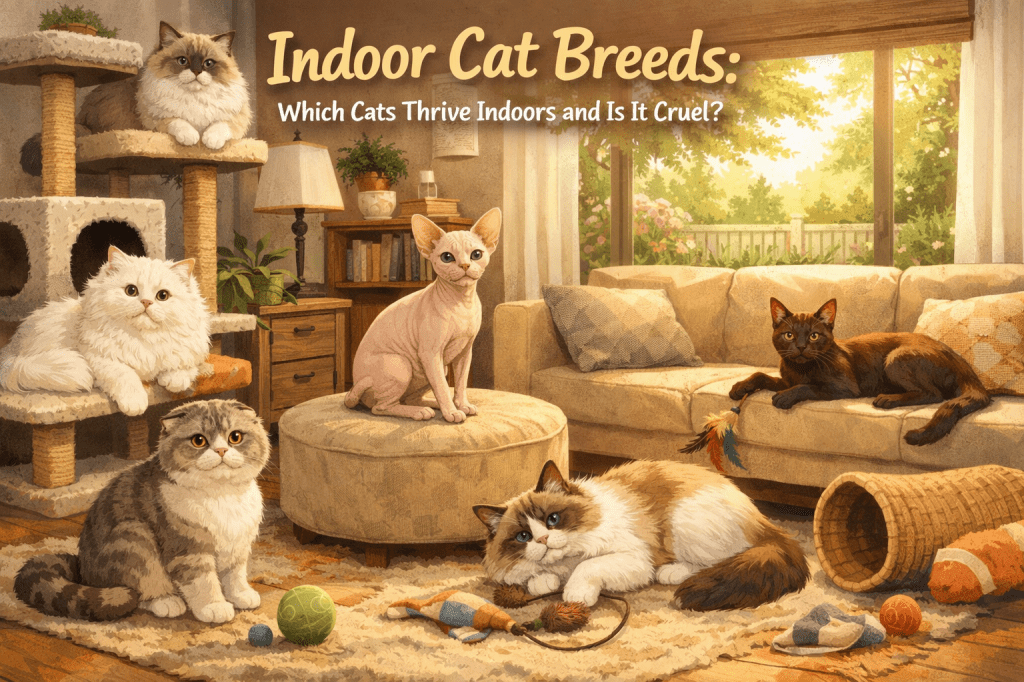
Discover which cat breeds are best suited for indoor life, the benefits of keeping cats indoors, and tips to ensure your indoor cat stays happy and healthy. Explore whether keeping cats indoors is actually cruel.
Cats have shared our homes for thousands of years, offering companionship, affection, and joy. Yet, the question of whether cats should be kept indoors or allowed to roam freely continues to spark debate among cat owners. The answer depends on a cat’s breed, personality, and the environment you provide. This article explores the breeds best suited for indoor life, the pros and cons of keeping cats indoors, and practical ways to make indoor living enriching and safe for your feline friend.
Why Some Cats Do Well Indoors
Cats are independent, curious creatures, but not all adapt equally well to indoor life. Many domestic breeds have been bred specifically for companionship, making them naturally comfortable indoors. Other cats may prefer outdoor adventures.
Benefits of keeping cats indoors include:
- Safety from hazards: Cars, predators, and aggressive animals pose significant risks outdoors.
- Longer lifespan: Indoor cats often live 2–5 years longer than outdoor cats.
- Controlled environment: Indoor life allows for regulated diet, reduced stress, and monitored health.
- Protecting wildlife: Outdoor cats can negatively impact birds and small animals.
Challenges of indoor life:
- Boredom or lack of stimulation can lead to destructive behavior.
- Overweight cats may develop health issues without enough exercise.
- Cats with strong hunting instincts may feel frustrated without enrichment.
With proper planning, these challenges can be addressed to create a fulfilling indoor environment.
Best Indoor Cat Breeds
Certain breeds are naturally suited to indoor living. These cats enjoy human interaction, tolerate confinement, and require less outdoor stimulation.
1. Ragdoll
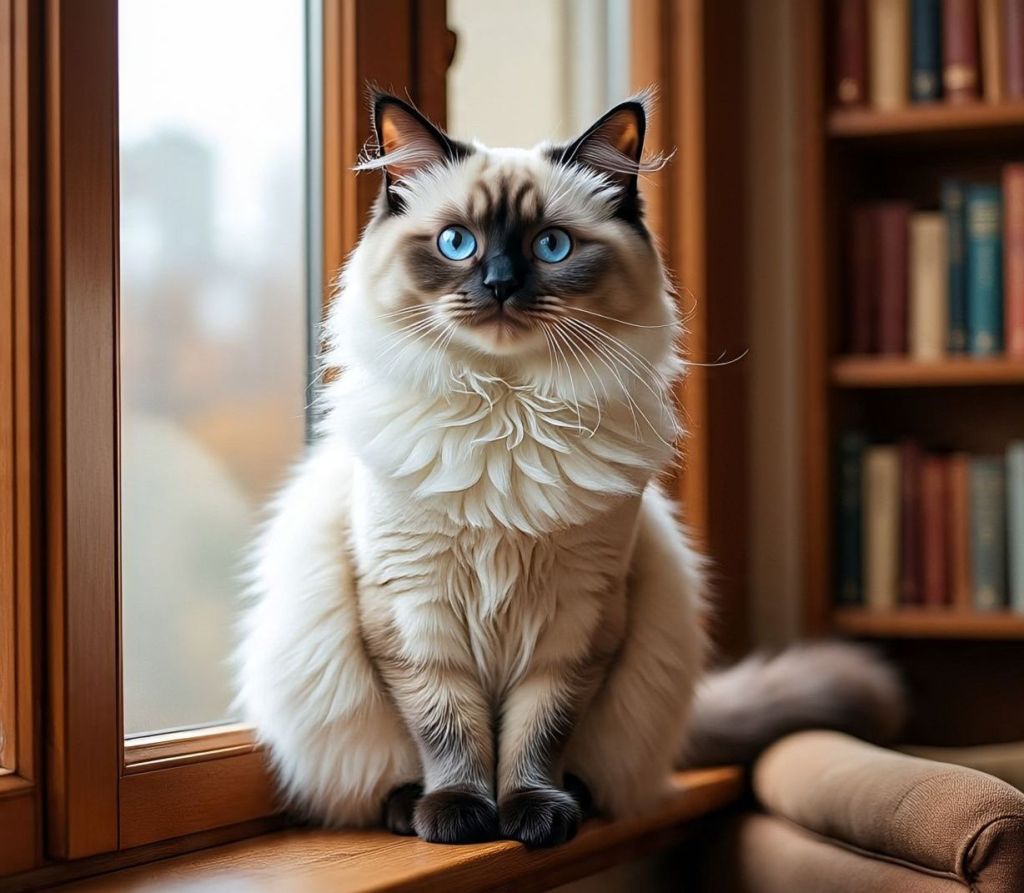
Ragdolls are calm, affectionate, and often described as “puppy-like” due to their tendency to follow owners around. Their low energy and gentle temperament make them ideal indoor companions.
Traits:
- Docile and gentle
- Enjoys human companionship
- Low prey drive
2. British Shorthair
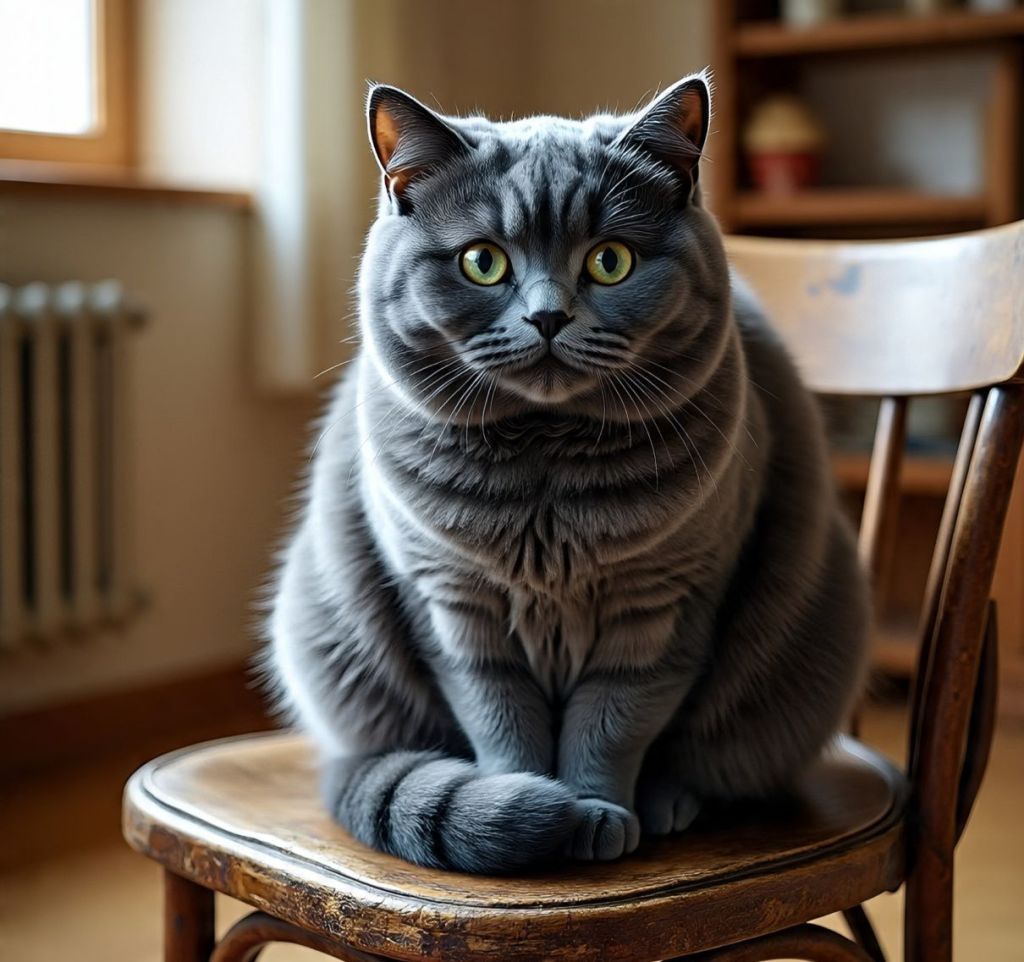
Known for their calm, independent nature, British Shorthairs thrive indoors. They adapt well to apartment living and enjoy lounging near their owners.
Traits:
- Easygoing and low-maintenance
- Good with families and other pets
- Quiet and reserved
3. Persian
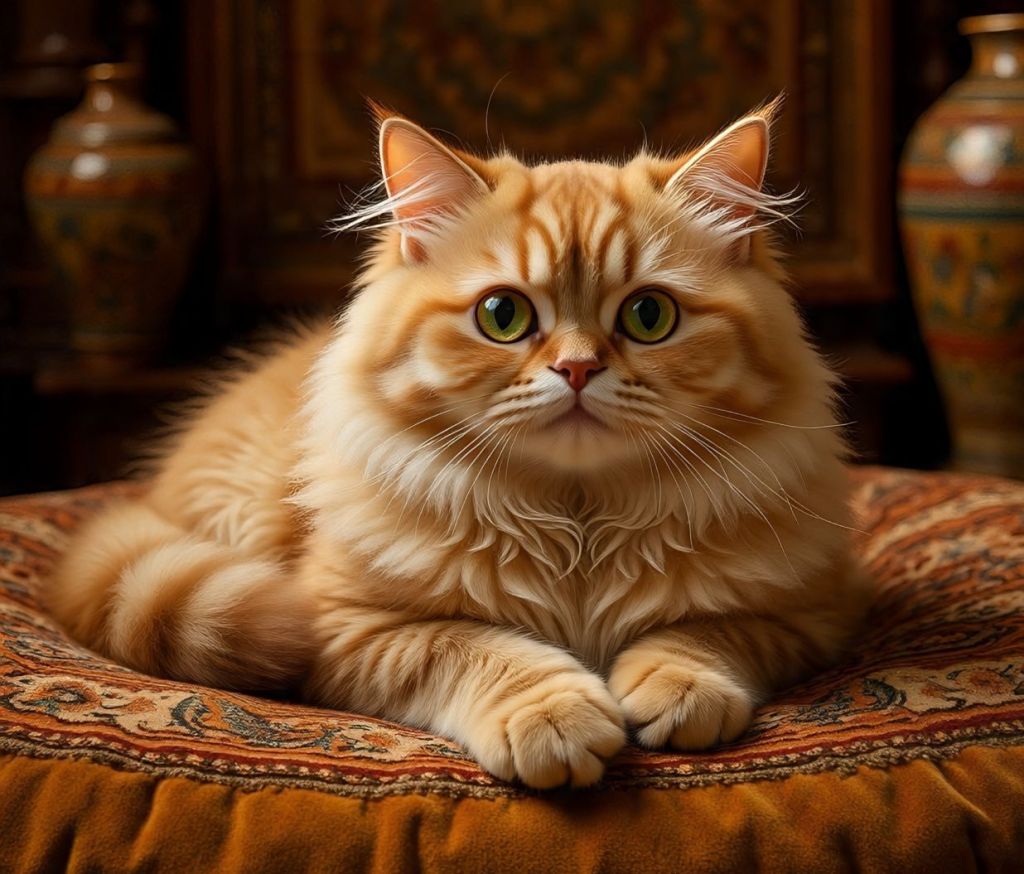
Persians are serene, affectionate, and enjoy a predictable indoor environment. While their long coats require grooming, their calm nature makes them excellent indoor cats.
Traits:
- Quiet and gentle
- Low activity level
- Requires regular grooming
4. Sphynx
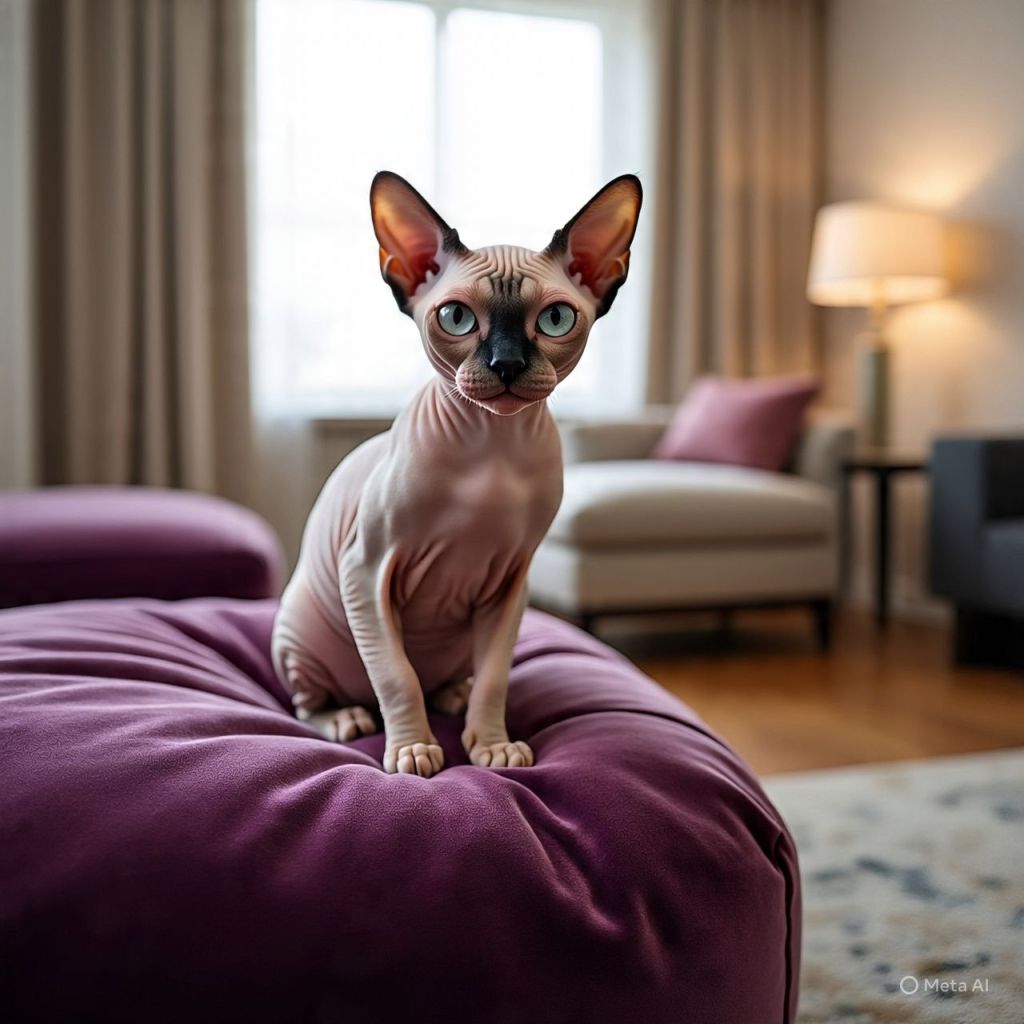
Hairless Sphynx cats are social, attention-loving, and prefer the warmth of indoor life. They form strong bonds with owners and dislike cold outdoor environments.
Traits:
- Highly social and affectionate
- Needs warmth and comfort
- Thrives indoors due to human-centered nature
5. Scottish Fold
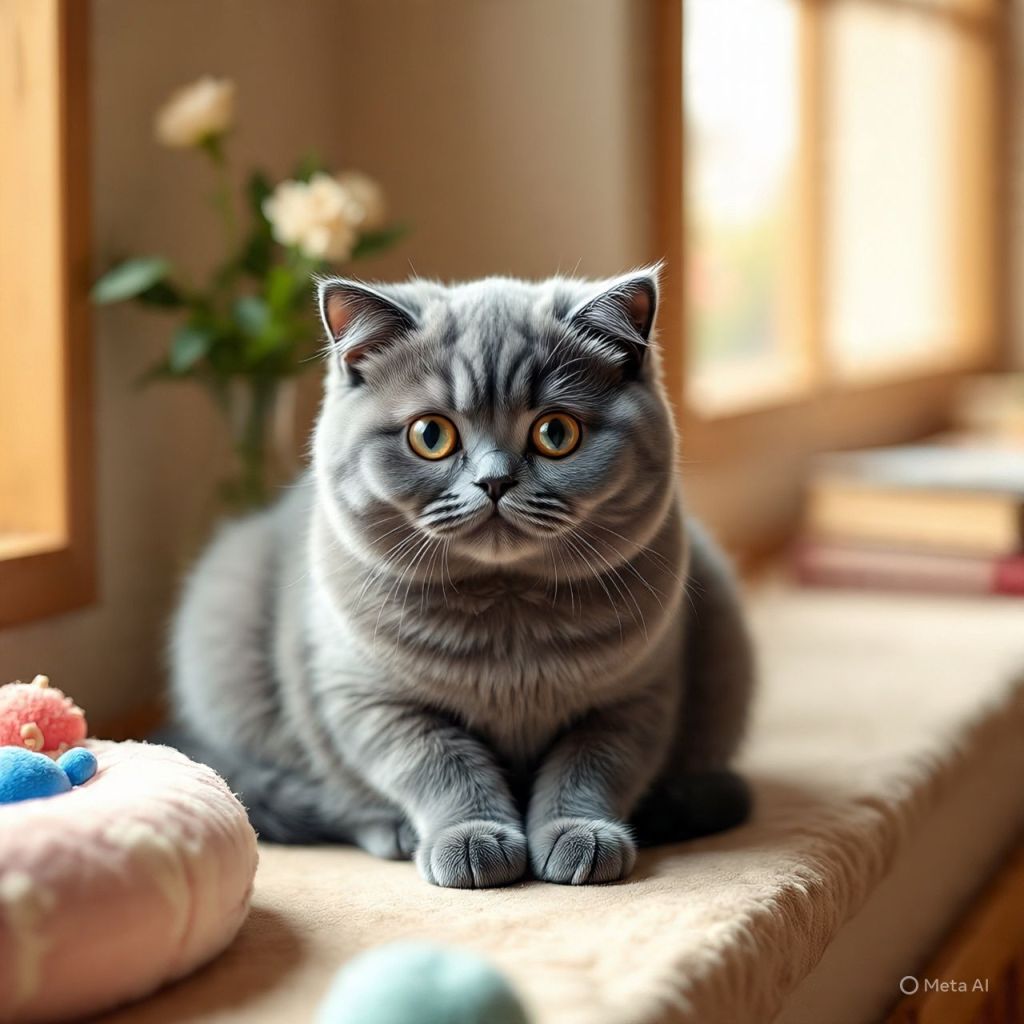
Scottish Folds are sweet-tempered and playful, enjoying indoor safety and comfort. Interactive toys and climbing spaces keep them mentally stimulated.
Traits:
- Friendly and calm
- Gentle and playful
- Indoor-adapted personality
6. Burmese
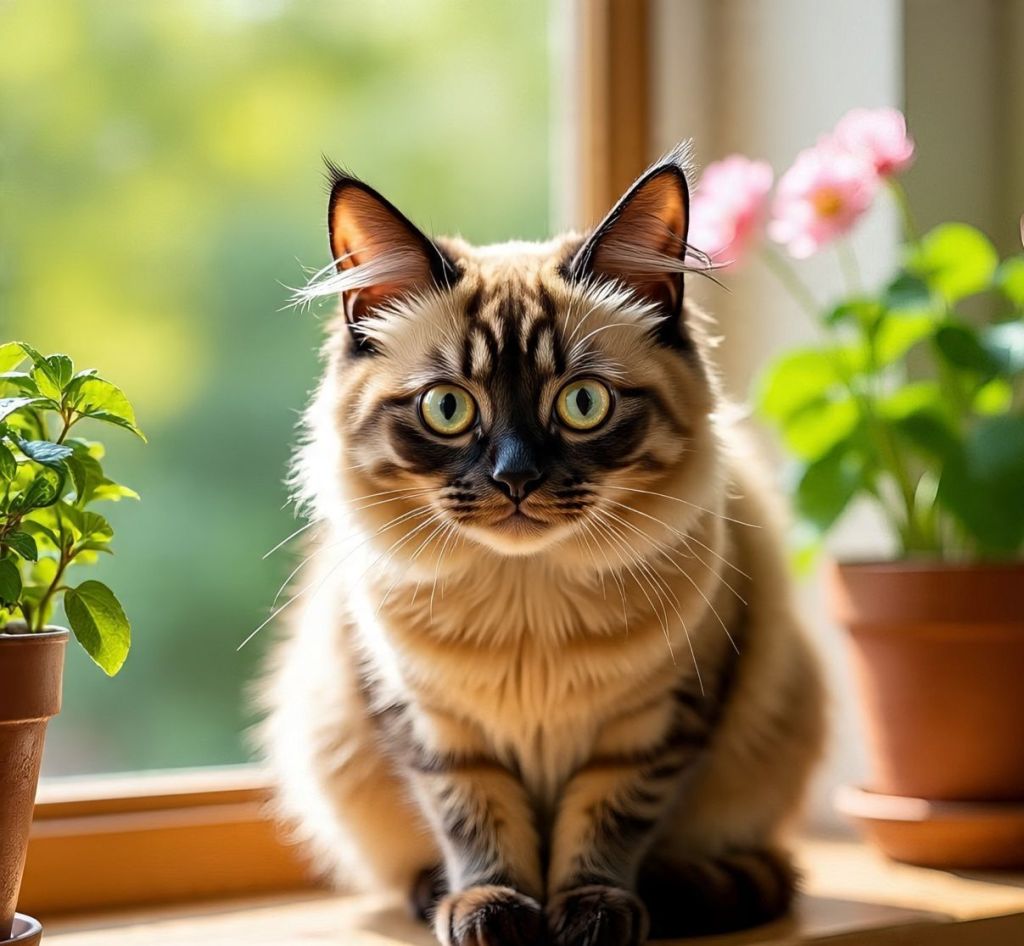
Burmese cats are energetic yet highly adaptable to indoor life. Their intelligence and sociable nature mean they thrive with interactive play and mental stimulation.
Traits:
- People-oriented and vocal
- Enjoys play and attention
- Needs mental enrichment
Cats That May Struggle Indoors
Some breeds have high energy or strong hunting instincts. Bengals, Abyssinians, and Savannahs may require more space and stimulation than typical indoor settings provide. However, even these cats can thrive indoors with:
- Vertical spaces like cat trees or shelves
- Interactive toys and puzzle feeders
- Supervised outdoor access like catios
Is Keeping Cats Indoors Cruel?
Many animal welfare experts support indoor cat ownership. Properly cared-for indoor cats live longer, healthier, and safer lives. Keeping cats indoors becomes cruel only when:
- They lack mental and physical stimulation
- Their environment is unsafe or cramped
- They are isolated from human or pet interaction
How to Make Indoor Life Enriching
- Create climbing spaces: Cats enjoy observing from high perches.
- Rotate toys and playtime: Mimic hunting behaviors with interactive toys.
- Maintain routines: Predictable feeding and play schedules reduce stress.
- Offer safe outdoor experiences: Catios or leash walks satisfy curiosity safely.
- Social interaction: Daily attention and play strengthen bonds.
Comparing Indoor and Outdoor Life
FeatureIndoor CatsOutdoor CatsLifespanLongerShorterSafetyHighVulnerable to accidents and predatorsStimulationRequires toys and enrichmentNatural exploration and huntingHealth RisksControlled diet, less diseaseExposure to parasites and injuriesWildlife ImpactMinimalCan harm local wildlife
Conclusion: Indoor Cats Can Thrive
Keeping a cat indoors is not inherently cruel. Many breeds thrive indoors, especially with a well-planned environment that provides stimulation, play, and social interaction. Indoor life often leads to longer, healthier, and safer lives for cats, while still allowing them to express their natural behaviors.
The key to ethical indoor cat care lies in understanding your cat’s breed, personality, and needs. With enrichment and attention, indoor cats can enjoy happy, fulfilling lives without ever stepping outside.


 Fresh Cat News: Trusted Updates for Cat Lovers & Responsible Owners
Do you found this guide useful, please leave a comment.