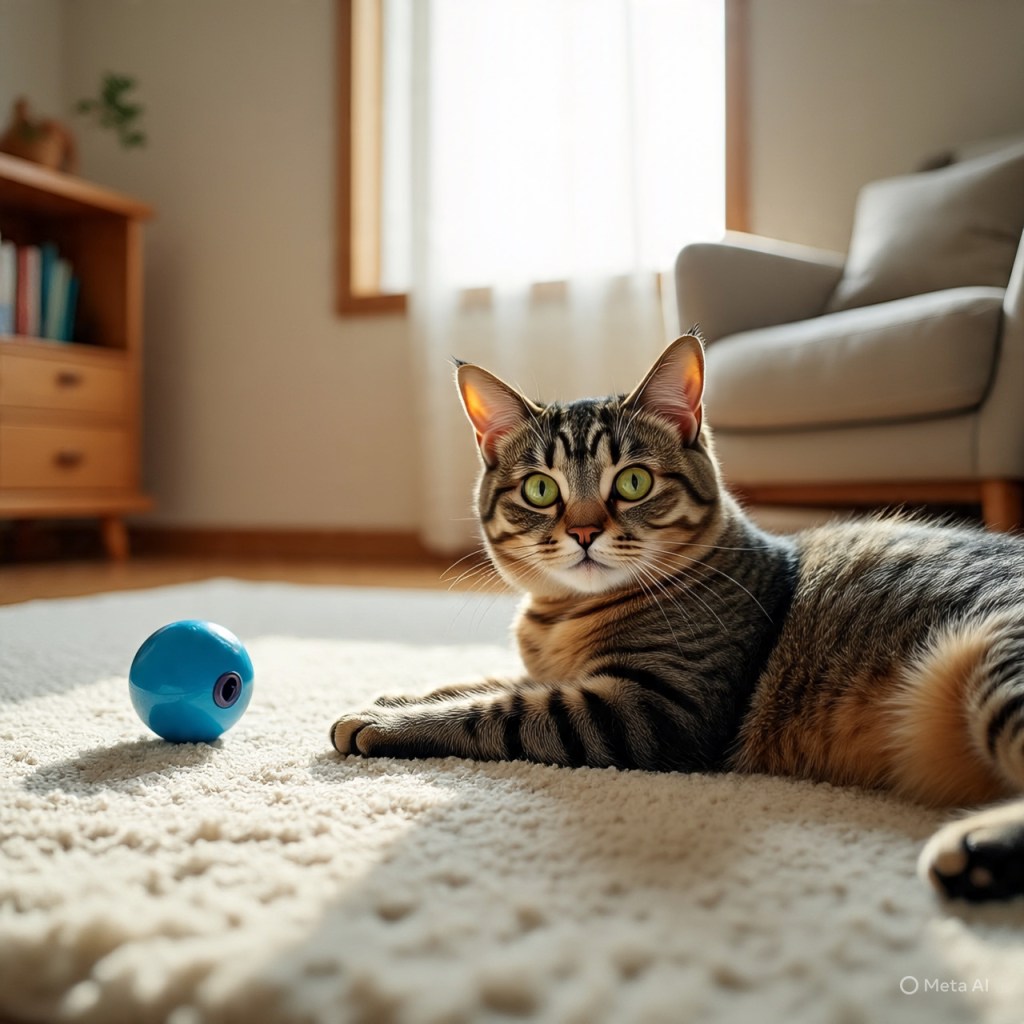
Are domestic cats social? This is one of the most searched questions by new and future cat owners. Many people still believe that cats are distant, independent, and emotionally detached. But modern research and everyday experience show a much more nuanced reality.
If you’re wondering “are indoor domestic cats social with humans?” or “do cats need companionship to be happy?”, this guide will help you understand the true nature of feline social behavior.
Understanding the Social Nature of Domestic Cats
Domestic cats (Felis catus) evolved from solitary wild ancestors. Unlike dogs, who descended from pack animals, cats originally hunted alone. This history explains why some cats enjoy independence.
However, thousands of years of domestication have significantly shaped their behavior. Studies show that domestic cats form strong social bonds — not only with other cats but also with humans.
So if you’re searching for “are domestic cats affectionate with their owners?”, the answer is often yes — depending on personality, early socialization, and environment.
Are Domestic Cats Social With Humans?
Many cat owners notice their cat:
- Purring during petting sessions
- Greeting them at the door
- Sleeping nearby
- Following them from room to room
These behaviors are clear signs of attachment.
Research suggests that cats can form secure attachment styles similar to human children and dogs. They use their owners as a “secure base” in unfamiliar environments. This directly challenges the myth that cats are emotionally distant.
If you’re asking “how do cats show social bonding with humans?”, look for these signs:
- Vocal communication (meowing specifically at humans)
- Tail held upright when approaching
- Kneading
- Slow blinking
Cats may not express affection like dogs, but their social signals are subtle and meaningful.
Are Domestic Cats Social With Other Cats?
Another common long-tail search is “do domestic cats need another cat for companionship?”
The answer depends on the individual cat.
In the wild, cats can form colonies around food sources. Within these colonies, related females often cooperate and groom one another. This means cats are capable of social living when resources are abundant.
In multi-cat households, bonded pairs often:
- Eat near one another
- Play gently
- Groom each other
- Sleep together
However, not all cats enjoy sharing space. Some prefer being the only pet. Early socialization (especially between 2–7 weeks of age) strongly influences whether a cat grows up to enjoy feline company.
If you’re researching “is it better to have one cat or two indoor cats?”, consider your cat’s temperament rather than assuming all cats need a companion.
Factors That Influence a Cat’s Social Behavior
When analyzing “why some domestic cats are more social than others,” several factors matter:
1.Early Socialization
Kittens handled gently by humans during their early weeks are usually more confident and affectionate as adults.
2.Breed Tendencies
Some breeds are known for sociability. For example:
- Siamese
- Maine Coons
- Ragdolls
These breeds often seek human interaction more actively than others.
3.Owner Interaction
Cats respond to consistent, calm, and respectful handling. Forced interaction can reduce sociability.
4.Environment
Cats in enriched indoor environments — with toys, climbing spaces, and regular interaction — tend to display more positive social behaviors.
Do Indoor Cats Get Lonely?
A frequent concern is: “can indoor cats feel lonely if left alone?”
Yes, some cats can experience boredom or mild separation stress, especially highly social individuals. Signs may include:
- Changes in appetite
- Overgrooming
- Destructive scratching
- Excessive vocalization
Providing interactive toys, vertical spaces, window views, and daily play sessions can significantly improve a cat’s social well-being.
Conclusion
Are Domestic Cats Truly Social?
Domestic cats are not antisocial — they are selectively social.
They form meaningful bonds with humans and sometimes with other cats. Their social style is subtle, independent, and deeply influenced by early experiences and environment.
If you’re searching for “are domestic cats good companion animals?”, the answer is absolutely yes — for people who understand feline communication and respect their boundaries.
Cats may not live in packs, but they build relationships built on trust, comfort, and quiet affection.
And once a cat chooses you as part of its social circle, that bond is powerful, loyal, and incredibly rewarding.




 Fresh Cat News: Trusted Updates for Cat Lovers & Responsible Owners
Do you found this guide useful, please leave a comment.