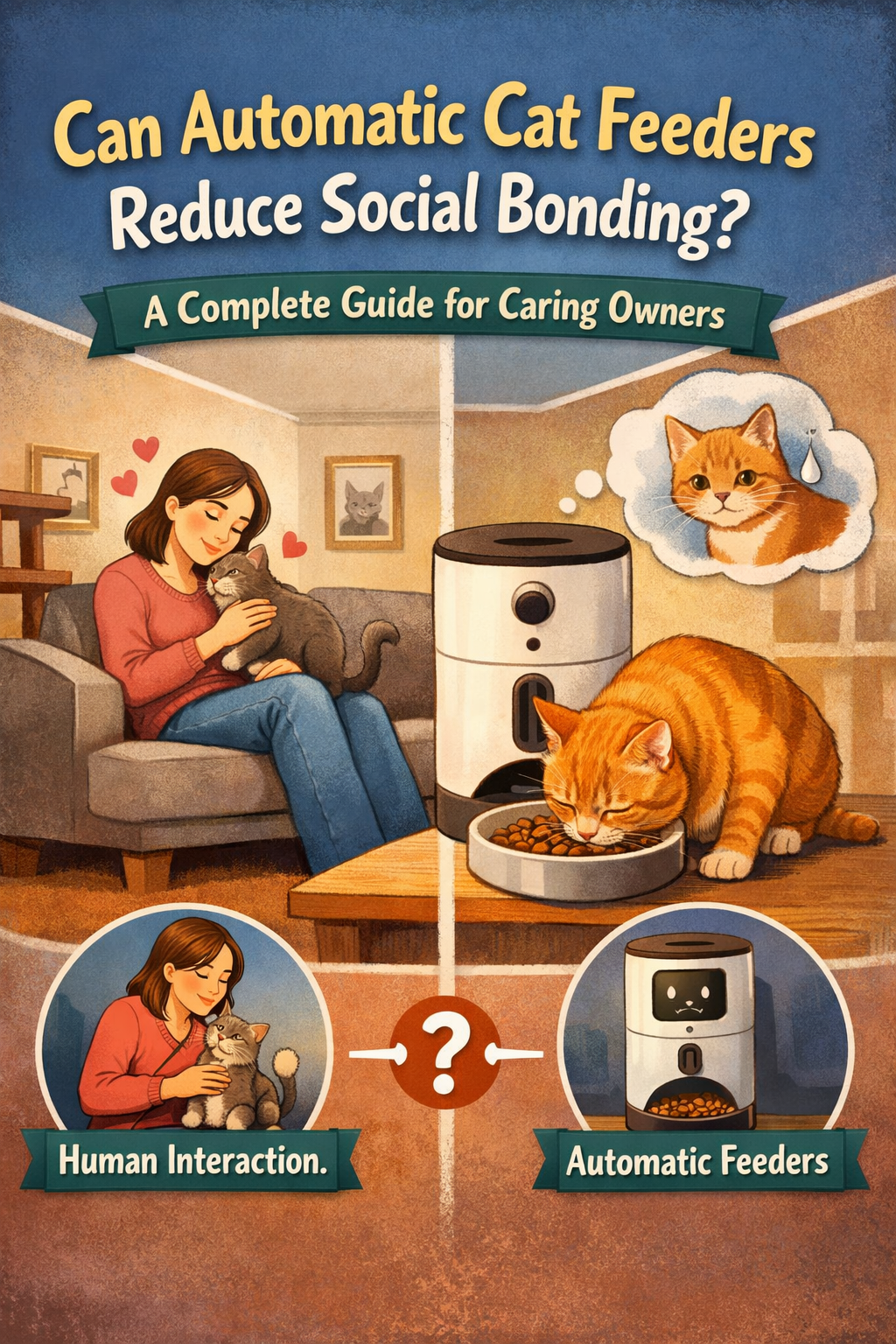
In today’s busy world, many cat parents rely on automatic feeders to ensure their pets eat on time. These devices promise convenience, portion control, and better weight management. But a growing concern among responsible owners is this:
Can automatic cat feeders reduce social bonding between you and your pet ?
If you care deeply about your cat’s emotional wellbeing — not just their physical health — this question matters. Let’s explore the science, psychology, and real-life impact of automatic feeders on feline bonding.
🐾 How Social Bonding Works in Cats
Contrary to outdated myths, domestic cats form strong emotional attachments to their humans. Studies show that cats display secure attachment behaviors similar to those seen in dogs and even infants.
Social bonding in cats happens through:
- Physical proximity
- Eye contact (slow blinking)
- Feeding routines
- Grooming interactions
- Vocal communication
- Play sessions
Among these, feeding time is one of the most powerful daily bonding rituals.
In natural settings, cats are solitary hunters. When a cat allows you near during feeding, it signals trust and comfort. When you provide food, your cat associates you with safety and survival.
This is where automatic feeders raise questions.
🥣 What Is an Automatic Cat Feeder?
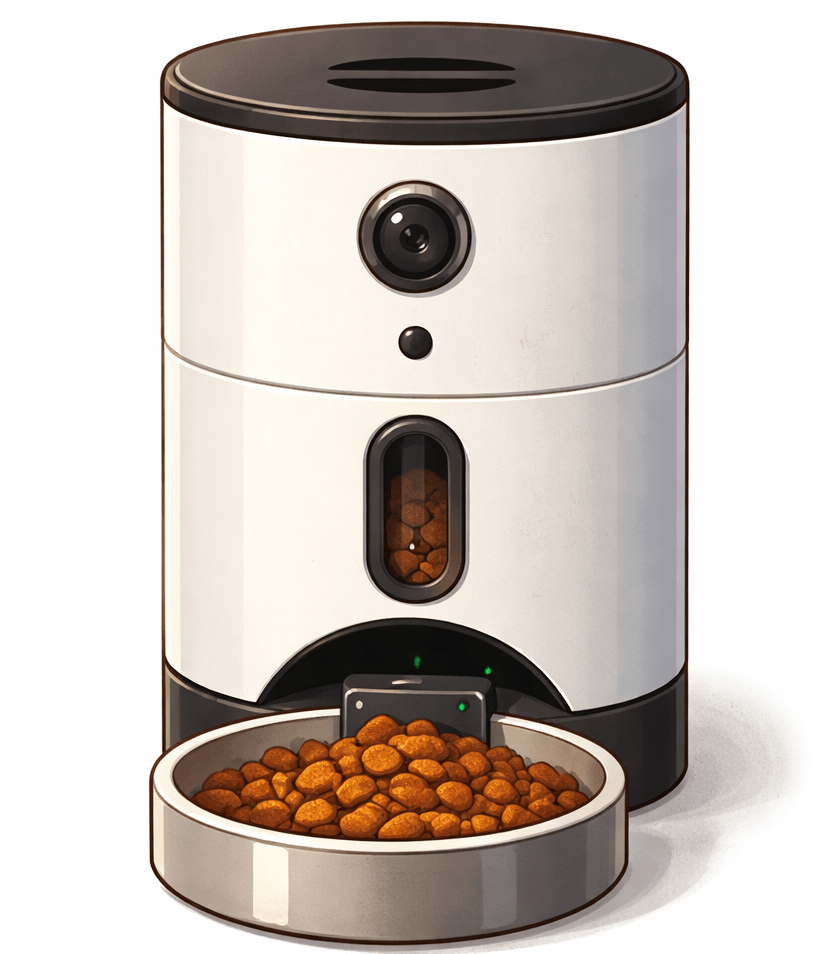
An automatic feeder is a device that dispenses pre-measured food at scheduled times. Some advanced models include:
- Timers
- Portion control
- Microchip access for multi-cat homes
- App-based monitoring
- Voice recording features
They are often used to:
- Feed cats when owners work long hours
- Maintain consistent meal times
- Support weight management
- Prevent overeating
But convenience sometimes changes interaction patterns.
🍽 Why Feeding Time Matters Emotionally
Feeding is not just nutrition. It is a daily social ritual.
When you manually feed your cat, several bonding mechanisms activate:
1.Anticipation and greeting behavior – Your cat may wait near the kitchen.
2. Vocal communication – Meows increase before meals.
3.Eye contact and body language exchange
4.Physical proximity during bowl placement
5.Post-meal affection
These micro-interactions reinforce emotional connection.
If a machine replaces this routine, some of those daily contact points may decrease.
⚖️ Can Automatic Feeders Actually Reduce Bonding?
The short answer: They can — but not necessarily.
It depends on how they are used.
Let’s break it down.
Scenario 1: Feeder Replaces All Feeding Interaction
If you :
- Are absent during most feeding moments
- Do not engage during meal times
- Rarely prepare food manually
Then yes — bonding opportunities may decline.
Your cat may associate the machine with food instead of you. Over time, greeting behavior may decrease because you are no longer the provider.
Scenario 2: Feeder Supports Routine but Owner Stays Engaged
If you :
- Talk to your cat regularly
- Sit near your cat during some meals
- Maintain play sessions
- Still offer treats by hand
- Use the feeder for scheduled meals
Then bonding remains strong.
The feeder becomes a tool — not a replacement for interaction.
🐱 Personality Differences Matter
Not all cats bond the same way.
Some cats are:
- Anxious and reliant on predictable patterns
- Play-driven rather than food-driven
- Independent and less food-focused
- Food-motivated and highly routine-based
For food-motivated cats, removing human feeding interaction may feel noticeable.
For independent cats, it may not affect bonding at all.
Understanding your cat’s temperament is key.
🧠 Do Cats Associate Food With Love?
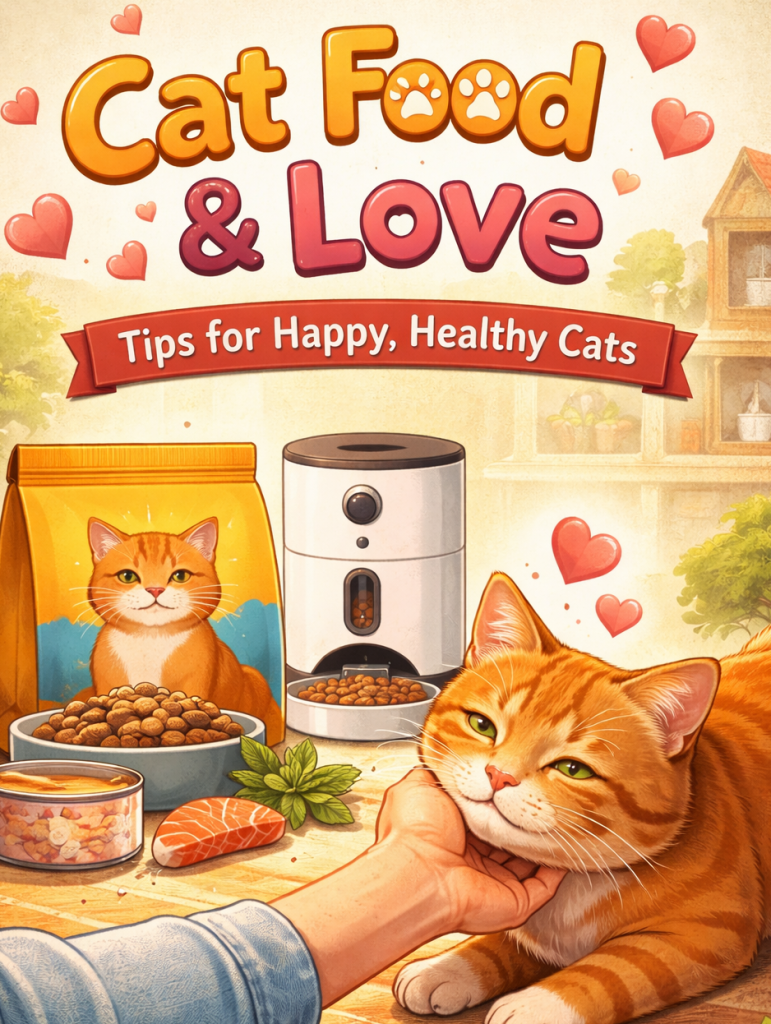
Not exactly.
Cats associate food with resource security, not affection itself.
Bonding develops from:
- Shared experiences
- Emotional safety
- Positive reinforcement
- Predictability
If the feeder improves consistency (especially in homes with irregular schedules), it may actually reduce stress — and lower stress improves bonding.
So the real risk is not the machine. It is emotional neglect.
🏠 Benefits of Automatic Feeders That Support Emotional Health
It’s important to recognize that automatic feeders can provide real advantages.
1️⃣ Reduced Stress in Busy Homes
Irregular feeding times can create anxiety. A feeder ensures consistency.
2️⃣ Prevention of Begging Behavior
Cats that constantly beg may experience frustration. Scheduled feeding reduces this tension.
3️⃣ Better Weight Management
Obesity can reduce activity and playfulness, indirectly affecting bonding.
4️⃣ Multi-Cat Harmony
Microchip feeders prevent food stealing, reducing household conflict.
In these cases, the feeder may improve overall household harmony, which supports social bonding.
🚨 Warning Signs Bonding May Be Affected
If bonding is weakening, you may notice:
- More interest in the feeder than you
- Decreased eye contact
- Increased independence or avoidance
- Less vocal interaction
- Reduced greeting behavior
However, these signs can also be normal personality shifts or age-related changes.
Avoid jumping to conclusions.
❤️ How to Use an Automatic Feeder Without Losing Connection
Here are practical strategies to maintain strong emotional bonds:
✔ Hand-Feed Occasionally
Offer small treats or part of a meal by hand.
✔ Stay Present Sometimes
Sit near your cat during at least one feeding daily.
✔ Add a Voice Cue
Call your cat before the feeder activates.
✔ Prioritize Play Time
Interactive play strengthens bonding more than feeding alone.
✔ Groom Regularly
Brushing sessions build trust and calmness.
✔ Talk to Your Cat
Cats recognize tone and voice patterns.
Feeding is only one bonding channel. Diversify your interactions.
🧬 What Research Suggests About Human–Cat Attachment
Studies on cat attachment reveal:
- Physical presence matters more than feeding alone.
- Emotional security depends on consistent, responsive caregiving.
- Cats form secure attachments similar to children.
This means bonding is not food-exclusive. Emotional responsiveness is the key driver.
If you ignore your cat emotionally but rely on a feeder, bonding may weaken.
If you remain emotionally engaged, bonding remains intact.
🕰 Long-Term Impact: What Happens Over Time?
Over months or years, patterns matter.
If feeding time used to be your only daily interaction, replacing it with automation may reduce total contact hours.
But if your relationship includes:
- Morning greetings
- Evening play
- Grooming
- Talking
- Physical affection
Then the feeder will not significantly harm attachment.
In fact, some cats become calmer when feeding anxiety is removed.
🐾 Real-Life Example
Imagine two households:
House A:
Owner works long hours, uses automatic feeder, rarely plays with cat.
Result: Bonding may weaken due to minimal engagement.
House B:
Owner uses feeder but plays every evening, offers treats, talks frequently.
Result: Bond remains strong.
The difference is not the machine. It is the human behavior.
Conclusion : Do Automatic Feeders Reduce Social Bonding?
Automatic cat feeders do not automatically reduce bonding.
They may reduce one daily interaction point, but bonding depends on:
- Communication
- Play and affection
- Consistent interaction
- Emotional presence
If used responsibly, automatic feeders can:
- Maintain harmony
- Support health
- Reduce stress
- Improve routine
The key question is not:
“Is the feeder harmful?”
But rather:
“Am I still emotionally present for my cat?”
Automatic feeders are tools. Like any tool, their impact depends on how you use them.
If your cat’s entire connection to you revolves around food, then yes — automation may weaken interaction.
But if you build a multi-dimensional relationship based on play, trust, voice, and affection, bonding will remain strong.
Your cat does not love you because you fill the bowl.
Your cat bonds with you because you are predictable, safe, and emotionally responsive.
Keep that, and no machine will replace you.



 Fresh Cat News: Trusted Updates for Cat Lovers & Responsible Owners
Do you found this guide useful, please leave a comment.