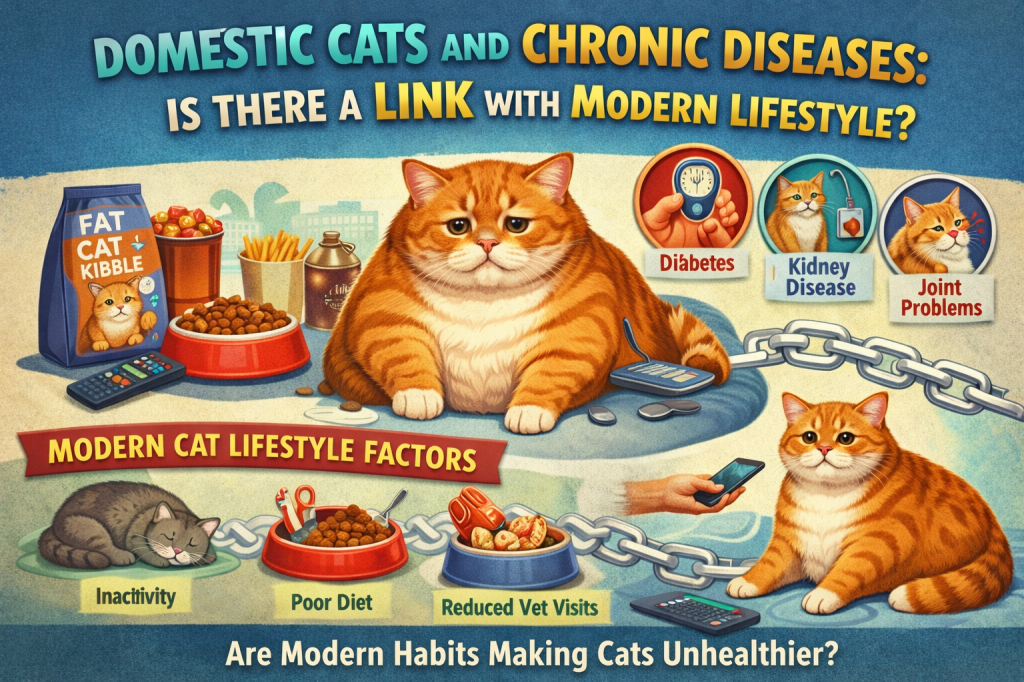
Over the past two decades, veterinarians around the world have observed a steady increase in chronic diseases in domestic cats. Conditions such as obesity, diabetes, chronic kidney disease, inflammatory bowel disease, and feline lower urinary tract disease are no longer rare. Many cat owners are now asking an uncomfortable question: Is the modern lifestyle we provide for our indoor cats contributing to long-term health problems?
The relationship between modern indoor cat lifestyle and chronic illness is complex. While improved veterinary care has extended feline lifespan, lifestyle changes may also be creating new health risks. Understanding this connection is essential for responsible pet ownership.
The Rise of Chronic Diseases in Domestic Cats
Today’s domestic cats live longer than ever before. With vaccination, parasite control, and better nutrition, the average lifespan of an indoor cat can exceed 15 years. However, longevity often brings age-related chronic diseases in indoor cats.
Common chronic conditions include:
- Chronic stress-related disorders
- Arthritis in senior cats
- Dental disease
- Hyperthyroidism
- Chronic kidney disease (CKD)
- Type 2 diabetes in cats
- Feline obesity
While genetics play a role, environmental and lifestyle factors increasingly appear to influence disease development.
Indoor Living and Reduced Physical Activity
One of the most discussed factors in the link between sedentary indoor cats and chronic disease is lack of exercise.
Wild cats may walk several miles daily to hunt. By contrast, many house cats spend most of their day sleeping. Food is readily available in a bowl. Hunting behavior is rarely required.
This reduced activity contributes directly to:
- Insulin resistance
- Reduced metabolic flexibility
- Muscle loss
- Weight gain
Research suggests that how indoor lifestyle affects cat metabolism is a critical issue. Without physical stimulation, calorie intake often exceeds energy expenditure, leading to obesity — a major risk factor for diabetes, arthritis, and heart strain.
Processed Commercial Diets and Feline Health
Another important factor is diet. Modern cats primarily eat commercial dry or wet food. While formulated to meet nutritional standards, some experts question whether long-term feeding of highly processed cat food and chronic illness risk are connected.
Many dry foods contain:
- Flavor enhancers
- Preservatives
- Plant-based fillers
- High carbohydrate levels
Cats are obligate carnivores, biologically adapted to high-protein, low-carbohydrate diets. Excess carbohydrates may contribute to:
- Chronic inflammation
- Feline diabetes
- Obesity
The debate around carbohydrates in dry cat food and diabetes risk continues in veterinary nutrition circles. While quality brands aim for balance, overfeeding and poor portion control amplify potential risks.
Environmental Toxins in the Modern Home
Modern homes contain cleaning products, synthetic materials, air fresheners, and flame retardants. While usually safe at regulated levels, concerns exist about long-term exposure to household chemicals and chronic disease in cats.
Cats groom themselves extensively, increasing ingestion of dust particles that may contain environmental contaminants. Some studies have explored possible links between:
- Household chemicals and cancer risk
- Air pollutants and respiratory issues
- Flame retardants and hyperthyroidism
While definitive causation is difficult to prove, minimizing chemical exposure remains a prudent approach.
Stress, Mental Health, and Chronic Disease
Modern cats live indoors for safety reasons. However, indoor confinement can produce subtle but chronic stress.
Stress triggers cortisol release, which, when prolonged, can impact immune function and metabolism. Studies examining chronic stress in indoor cats and urinary disease have shown that environmental stress may contribute to feline idiopathic cystitis (FIC).
Stressors may include:
- Sudden changes in routine
- Limited vertical space
- Multi-cat household tension
- Inadequate litter box access
- Lack of environmental enrichment
Environmental boredom can also lead to compulsive behaviors and overeating.
Providing stimulation is not optional — it is preventive healthcare.
Overfeeding and the Humanization of Pets
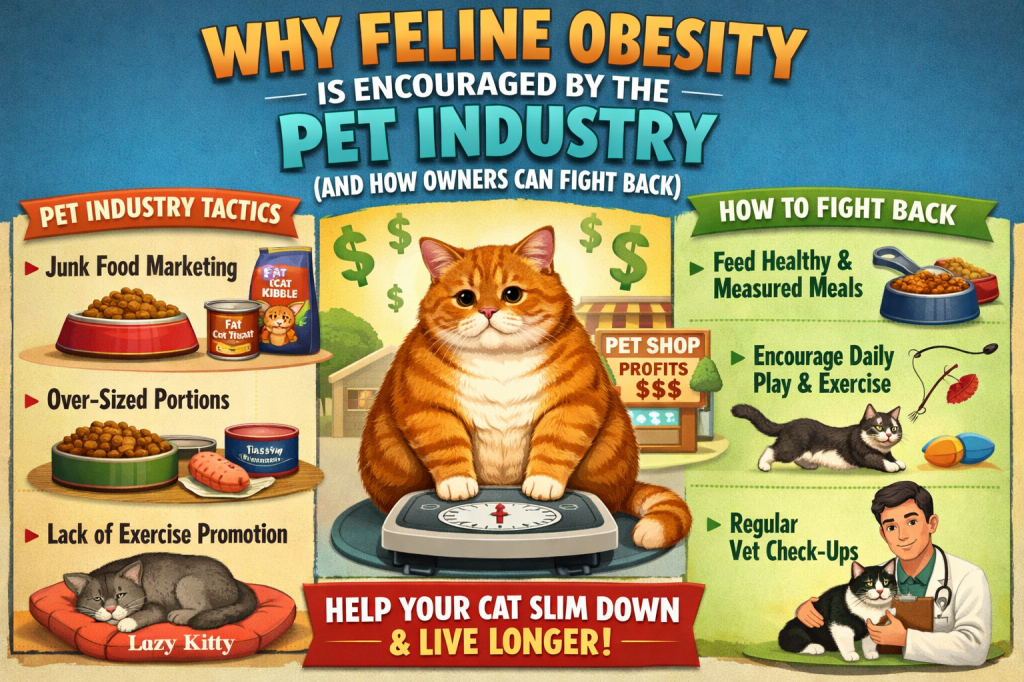
Modern pet culture increasingly treats cats as family members — which is positive in many ways. However, humanization of pets and obesity in domestic cats is becoming a real concern.
Owners may:
- Use food as emotional bonding
- Interpret food-seeking as hunger
- Free-feed dry food
- Offer frequent treats
This behavioral pattern contributes to caloric excess. According to veterinary surveys, over 50% of domestic cats in developed countries are overweight or obese.
Obesity alone significantly increases the risk of:
- Reduced lifespa
- Liver disease
- Joint degeneration
- Diabetes
Are We Extending Life but Reducing Healthspan?
An important distinction exists between lifespan and healthspan. Cats today live longer — but are they living healthier?
The question of modern lifestyle impact on feline longevity and quality of life is central to this debate.
Many chronic diseases develop gradually and are managed rather than cured. A cat may live years with kidney disease or diabetes, requiring daily medication and dietary adjustments.
This raises ethical considerations about preventive care versus reactive treatment.
Preventing Chronic Diseases in Domestic Cats
The good news is that lifestyle modifications can significantly reduce risk. Preventive strategies include:
- Encouraging Daily Physical Activity
Interactive toys, climbing trees, puzzle feeders, and short play sessions mimic hunting behavior.
- Regular Veterinary Screening
Early detection of kidney disease, thyroid imbalance, and blood glucose changes improves outcomes.
- Stress Reduction in Multi-Cat Homes
Ensure adequate litter boxes (one per cat plus one extra), separate feeding stations, and safe resting areas.
- Environmental Enrichment
Provide vertical space, hiding areas, scratching posts, and routine stability.
- Species-Appropriate Nutrition
Look for high-protein, moderate-fat, low-carbohydrate formulas. Consider moisture-rich diets to support kidney and urinary health.
- Controlled Feeding Practices
Measure portions. Avoid free feeding. Discuss diet options with a veterinarian.
A Balanced Perspective
It is important not to romanticize outdoor living. Outdoor cats face:
- Shorter average lifespans
- Infectious diseases
- Predation
- Traffic accidents
Indoor living dramatically reduces acute mortality risks. However, the challenge becomes designing an environment that respects feline biology.
The conversation around domestic cats and chronic diseases linked to modern lifestyle should not promote guilt — but awareness.
Modern veterinary science gives us the tools to extend life. Modern behavioral science helps us improve welfare. The responsibility lies in combining both.
Conclusion
Rethinking the Modern Cat Lifestyle
Domestic cats evolved as solitary hunters with high-protein diets and active daily routines. Modern life offers safety and comfort but may inadvertently create metabolic and psychological imbalances.
The key is not rejecting modernity — but adapting it.
By understanding:
- The impact of environmental stress on urinary and immune health
- The role of diet in chronic inflammation
- How sedentary indoor lifestyles affect feline metabolism
We can reduce the incidence of chronic disease and improve quality of life.
The goal is simple: longer lives that remain vibrant, active, and pain-free.
Modern lifestyle does not have to be a health risk for cats. With informed choices, it can become a foundation for better preventive care and responsible ownership.
You have liked this article, please don’t leave without sharing it.



 Fresh Cat News: Trusted Updates for Cat Lovers & Responsible Owners
Do you found this guide useful, please leave a comment.