
A Complete Guide for Cat Owners
Many people wonder: “Do indoor cats develop weaker muscles than outdoor cats?” It’s a question rooted in both science and everyday observation. After all, outdoor cats roam freely, climb, hunt, sprint, and explore — while indoor cats spend much of their time lounging, napping, and occasionally chasing a toy. So is there a real difference in muscle development? Let’s explore the evidence, what science shows, and how you can keep your indoor cat fit and healthy.
🐱 Are There Physical Differences Between Indoor and Outdoor Cats?
Studies and expert analyses suggest that lifestyle does influence how a cat’s body develops. Outdoor cats naturally encounter more opportunities for physical exercise, which tends to build strength, stamina, and muscle tone.
For example :
- The likelihood of frequent running, jumping, climbing, and navigating variable terrain is higher in outdoor cats.
- Outdoor cats cover much more distance during daily activity compared to indoor cats.
📊 Scientific Evidence: Body Composition Differences
Research using advanced imaging techniques has compared body composition between outdoor and indoor cats. One controlled study found that:
Indoor neutered cats generally had higher body fat percentages than outdoor intact cats.
PubMed
This implies that indoor cats are more prone to fat accumulation rather than muscle growth — especially if activity levels are low and calorie intake isn’t adjusted accordingly.
However, it’s important to note that these findings are influenced by factors like neuter status, diet, and environment — not just outdoor access.
🏃 What Happens to Indoor Cats?
Indoor cats lead very different lives than outdoor roamers. While they can still be active, their environment tends to limit natural movement patterns:
- They may eat frequent small meals rather than burning calories through exploration.
- Lack of varied stimulation means cats may nap more out of boredom than rest.
- Fewer diverse surfaces limit climbing and leaping activities.
- Smaller spaces reduce chances to run long distances.
This doesn’t mean indoor cats are unhealthy by default, but it does mean their muscles aren’t challenged in the same ways as outdoor cats.
🧠 Activity & Muscle Use: What the Studies Show
Research comparing indoor and outdoor cats demonstrates measurable differences in daily movement:
- Indoor cats tend to have stronger daily rhythms influenced by human schedules, while outdoor cats have more varied routines that stimulate intense activity
- Outdoor cats cover significantly more ground in a day than indoor cats.
More activity naturally contributes to stronger muscles — outdoor cats’ bodies are more consistently pushed to adapt physically.
🐈 Can Indoor Cats Still Have Strong Muscles?
Yes — indoor cats can develop healthy muscle tone. They just need the right kind of stimulation. Research and animal health sources emphasize the need for exercise and play for indoor cats to avoid muscle loss and obesity.
Here’s what works:
✔ Daily Interactive Play
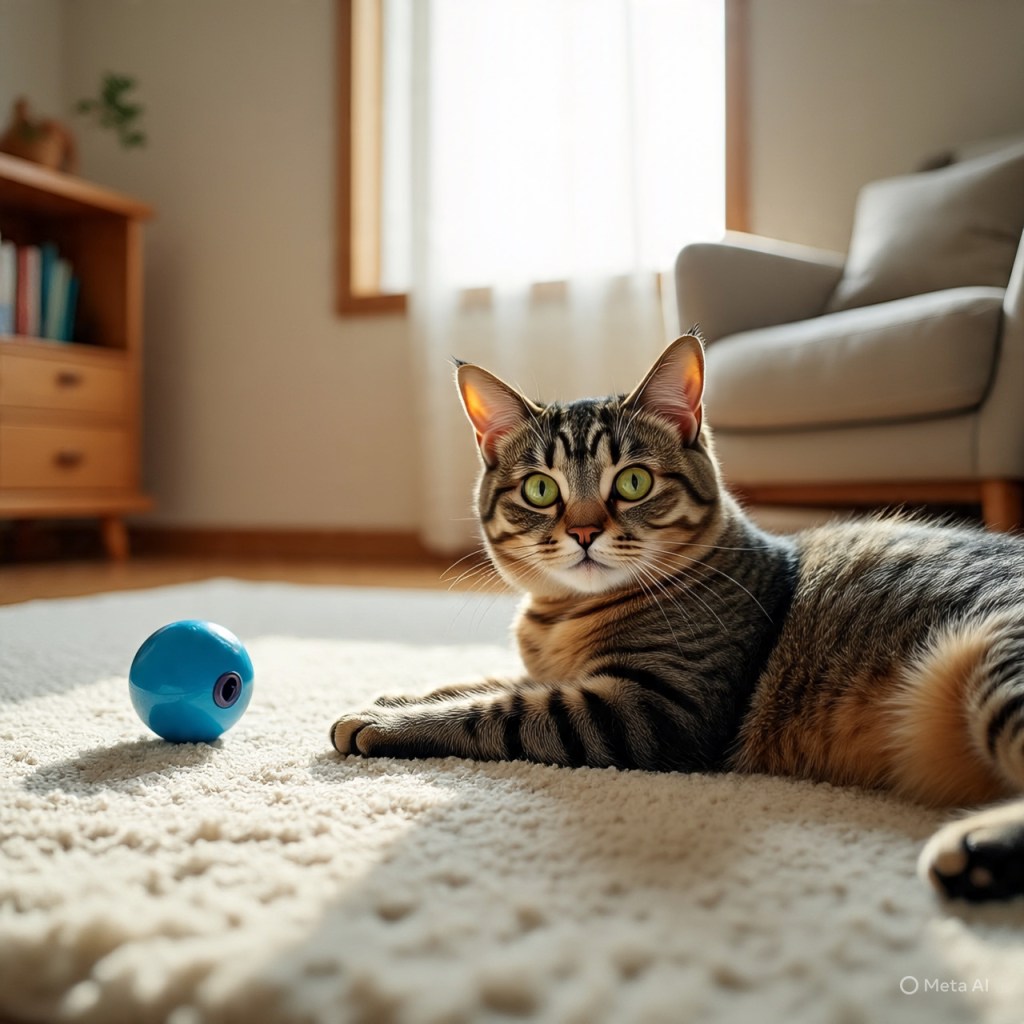
Using toys that mimic prey behavior — like feather wands or lasers — encourages movement and muscle use.
Famylia
✔ Vertical Spaces
Cat trees, shelves, and high perches encourage climbing — which is excellent for muscle development and flexibility.
✔ Puzzle Feeders
These turn meals into a form of physical challenge, promoting movement and mental stimulation.
✔ Controlled Outdoor Time
If it’s safe for your location and cat’s temperament, supervised outdoor time (like on a harness or in a secure “catio”) can offer natural exercise while minimizing risks.
🩺 Why This Matters for Health
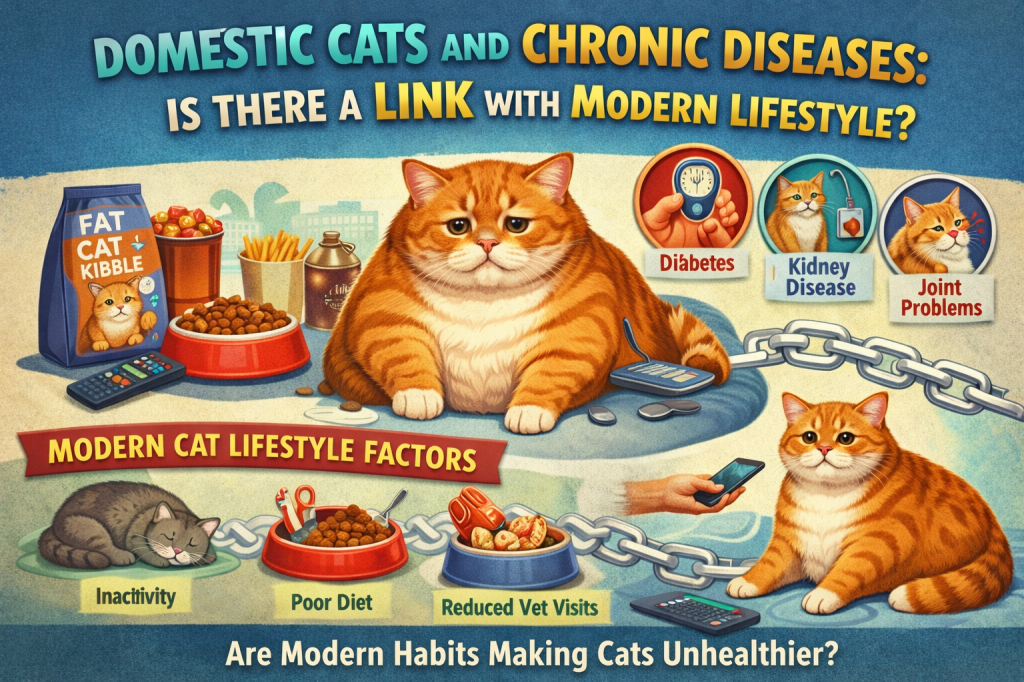
Lack of activity isn’t just about muscle tone — it affects overall wellness. Indoor cats with low activity levels are at higher risk of:
- Behavioral stress from lack of stimulation
- Cardiovascular issues
- Diabetes
- Joint problems
- Obesity
In contrast, outdoor cats are naturally more active, which helps maintain a healthier body composition — meaning more muscle and less excess fat.
🐾 The Role of Diet
Diet is a big part of the picture. Indoor cats tend to:
- Consume food even when not physically active
- Eat more frequent meals
- Have lower overall calorie burn
This combination can contribute to weight gain. Adjusting the amount and timing of meals, and choosing high-protein, balanced food, aligns nutrition with activity levels.
🤔 So, Do Indoor Cats Really Develop Weaker Muscles?
The short answer:
Yes, they may — but it’s not inevitable.
Without regular exercise and stimulation, indoor cats tend to develop less muscle strength than cats that roam outdoors. This is largely due to differences in activity levels and environment. Outdoor cats naturally get more exercise through climbing, hunting-like behavior, and greater space exploration.
Pet Care Pulse +1
But indoor cats can still stay strong and healthy — with effort.
Exercise doesn’t have to be extreme; it just needs to be consistent, engaging, and mentally stimulating.
🧠Conclusion
Whether a cat lives indoors or outdoors, its muscle health and overall wellbeing depend on how much movement it gets.
If your cat lives strictly inside:
- consider safe outdoor time if possible
- spice up its environment
- use interactive toys
- add vertical space
- play daily
With the right care, indoor cats can have robust, healthy muscles — and live happy, active lives. 🐱💪



 Fresh Cat News: Trusted Updates for Cat Lovers & Responsible Owners
Do you found this guide useful, please leave a comment.