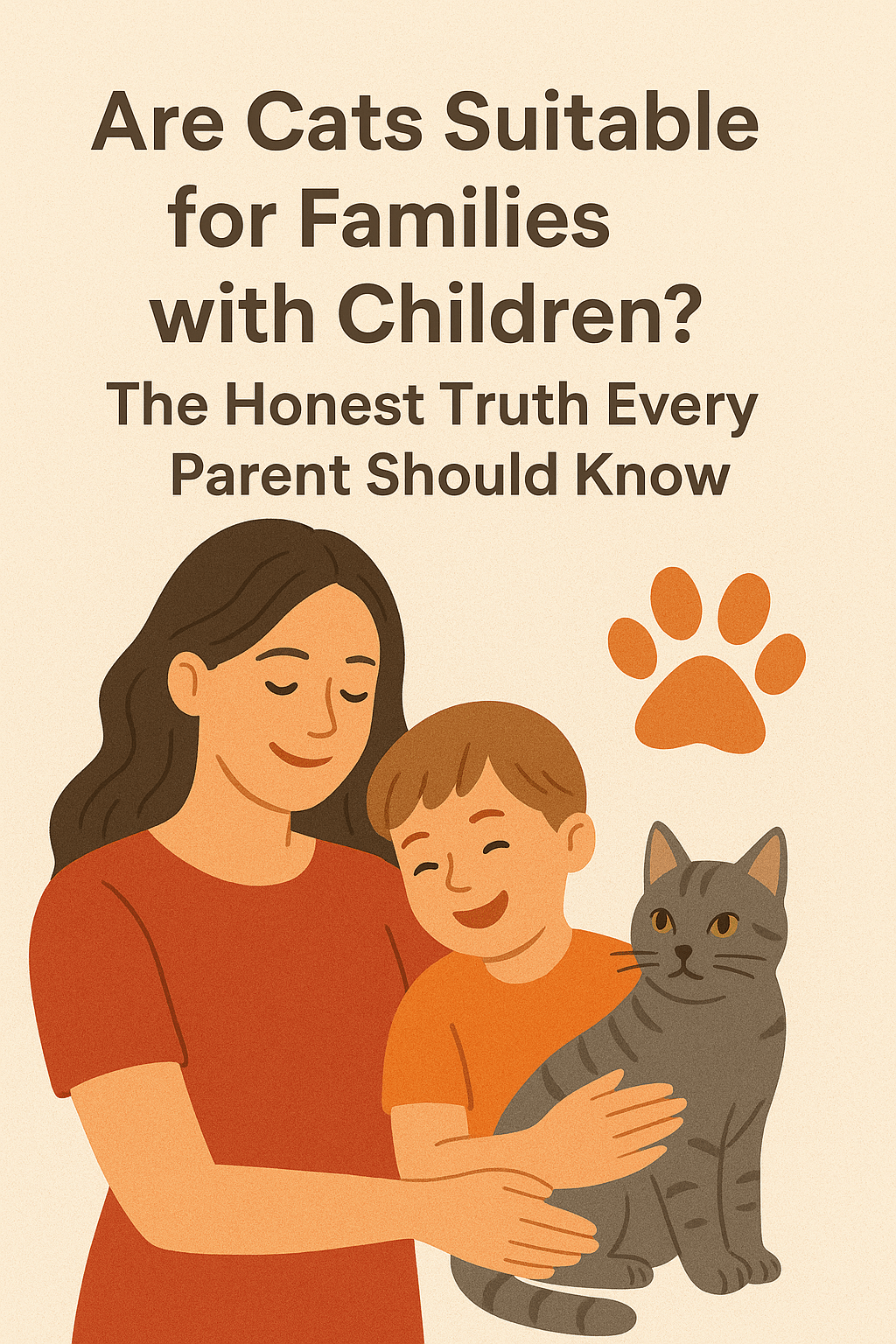
For many parents, introducing a pet to the household is a big decision. While dogs often get the spotlight as “family pets,” cats have quietly earned their place as loyal companions in millions of homes worldwide. But one question remains common among parents: Are cats really suitable for families with children?
The short answer is yes — most cats can thrive in family environments, provided you choose the right breed, teach children how to handle them, and create a respectful, safe space for both. Let’s explore why cats can be excellent family pets, what precautions to take, and how to ensure harmony between kids and felines.
🧡 1. Why Cats Can Be Great Companions for Kids
Cats are loving, curious, and intelligent animals, often forming strong emotional bonds with their families. When raised or introduced properly, many cats become gentle playmates and comforting companions for children.
Here’s why cats often fit perfectly into family life:
- Low maintenance: Cats don’t require daily walks, making them ideal for busy families.
- Clean and quiet: Cats are self-grooming animals and adapt well to indoor environments.
- Teach empathy and responsibility: Letting children feed, groom, or play with cats fosters compassion and routine.
- Emotional support: The Human Animal Bond Research Institute (HABRI) reports that interacting with pets helps children manage emotions and build social confidence.
Simply put, when introduced with care, cats bring comfort, calmness, and companionship to homes with kids.
🧶 2. Choosing the Right Cat Breed for a Family
Not every cat is equally patient or playful. Families with children should look for breeds known for gentleness and sociability. Breed Personality Traits Why It’s Great for Kids Ragdoll Calm, affectionate, tolerant Often enjoys cuddles and being held by children. Maine Coon Playful, friendly, large A social, dog-like breed that thrives on attention. Burmese People-oriented, loyal Follows children around and loves interaction. Abyssinian Curious, athletic Perfect for active kids who love to play. British Shorthair Quiet, patient Adaptable and gentle around small children.
To compare cat breeds and their temperaments, visit The International Cat Association (TICA).
Tip: Adopt from a rescue or breeder that allows you to meet the cat first. Look for calm, curious behavior—signs of a cat comfortable with family life.
👶 3. Teaching Children to Respect Cats
The most important rule for a peaceful cat-and-child relationship is education. Cats appreciate affection, but they also need space.
Teach your children:
- Don’t pull tails, fur, or ears.
- Avoid touching cats while they eat or sleep.
- Let cats approach on their own terms.
- Use gentle voices and slow gestures.
- Learn signals — if a cat’s tail flicks or ears flatten, give it space.
The ASPCA emphasizes that gentle pet interaction helps kids develop empathy and reduces the risk of bites or scratches.
Assign age-appropriate pet chores such as feeding, brushing, or refilling the water bowl. These small acts teach respect and responsibility.
🏡 4. Creating a Safe and Calm Environment
Cats love predictable, quiet spaces. To keep both children and cats comfortable:
- Provide cat-only areas: High perches, cat trees, or quiet corners where the cat can rest undisturbed.
- Keep essentials separate: Litter boxes and food bowls should be in child-free zones.
- Use enrichment toys: Interactive toys, tunnels, or puzzles keep cats entertained and prevent rough play.
- Create routines: Regular feeding and playtime help cats feel secure in active homes.
For more tips on creating a cat-friendly home, visit International Cat Care, a leading authority on feline welfare.
🧴 5. Health and Hygiene for Families with Cats
While cats are clean animals, families should maintain healthy habits:
- Vet visits: Regular checkups, vaccinations, and flea prevention.
- Hand washing: Encourage kids to wash hands after petting or cleaning litter.
- Supervise toddlers: Prevent accidental scratches or rough handling.
- Allergies: If your child is allergic, consult a doctor — some breeds like the Balinese or Siberian produce fewer allergens.
The Centers for Disease Control and Prevention (CDC) provides reliable advice on keeping families safe while enjoying the benefits of cat companionship.
🌟 6. Benefits of Raising Children with Cats
Having cats in a household with children offers lasting advantages:
- Promotes empathy: Kids learn to interpret nonverbal communication.
- Reduces stress: Petting a cat lowers anxiety and improves mood.
- Improves social skills: Cats encourage kindness and patience.
- Teaches emotional responsibility: Caring for a pet builds maturity and routine.
A 2020 Frontiers in Psychology study found that children raised with pets show better emotional awareness and prosocial behavior — meaning cats can help raise emotionally balanced kids.
🐈⬛ 7. When Cats May Not Be the Right Choice
Even though cats adapt well, consider waiting if:
- Your child has severe pet allergies.
- You live in a small space with no quiet area for the cat.
- The household schedule doesn’t allow consistent care.
For most families, however, these challenges can be managed through education, planning, and respect for the animal’s needs.
🐾 Final Thoughts
So, are cats suitable for families with children?
Absolutely — when approached with care, patience, and understanding.
Cats can bring love, comfort, and valuable life lessons to children. They teach compassion, responsibility, and the joy of companionship. With proper supervision, the right breed, and an environment that respects boundaries, your family can enjoy the magic of growing up with a feline friend.
If you’re ready to adopt, start your search at Petfinder or Adopt-a-Pet to find a family-friendly cat waiting for a loving home.




 Fresh Cat News: Trusted Updates for Cat Lovers & Responsible Owners
Do you found this guide useful, please leave a comment.