
Celebrity cat owners like Taylor Swift and Ed Sheeran can shape adoption trends, inspiring fans to adopt—but sometimes for the wrong reasons. When used responsibly, their influence raises awareness for shelters and cat welfare. However, trend-driven adoptions risk harm if not paired with education and ethics.
Discover how celebrity cat owners affect global adoption trends, the pros and cons of their influence, and how responsible advocacy can save feline lives.
Introduction
Celebrities have always shaped fashion, lifestyle, and even social movements—but what about pet adoption? With millions of followers online, stars like Taylor Swift and Ed Sheeran have transformed cats into symbols of warmth and elegance.
Yet the question remains: should celebrities really influence cat adoption trends? While their fame can inspire compassion, it can also lead to impulse adoptions and unethical breeding practices. Let’s explore how influence can either help or harm feline welfare.
The Rise of Celebrity Cat Culture
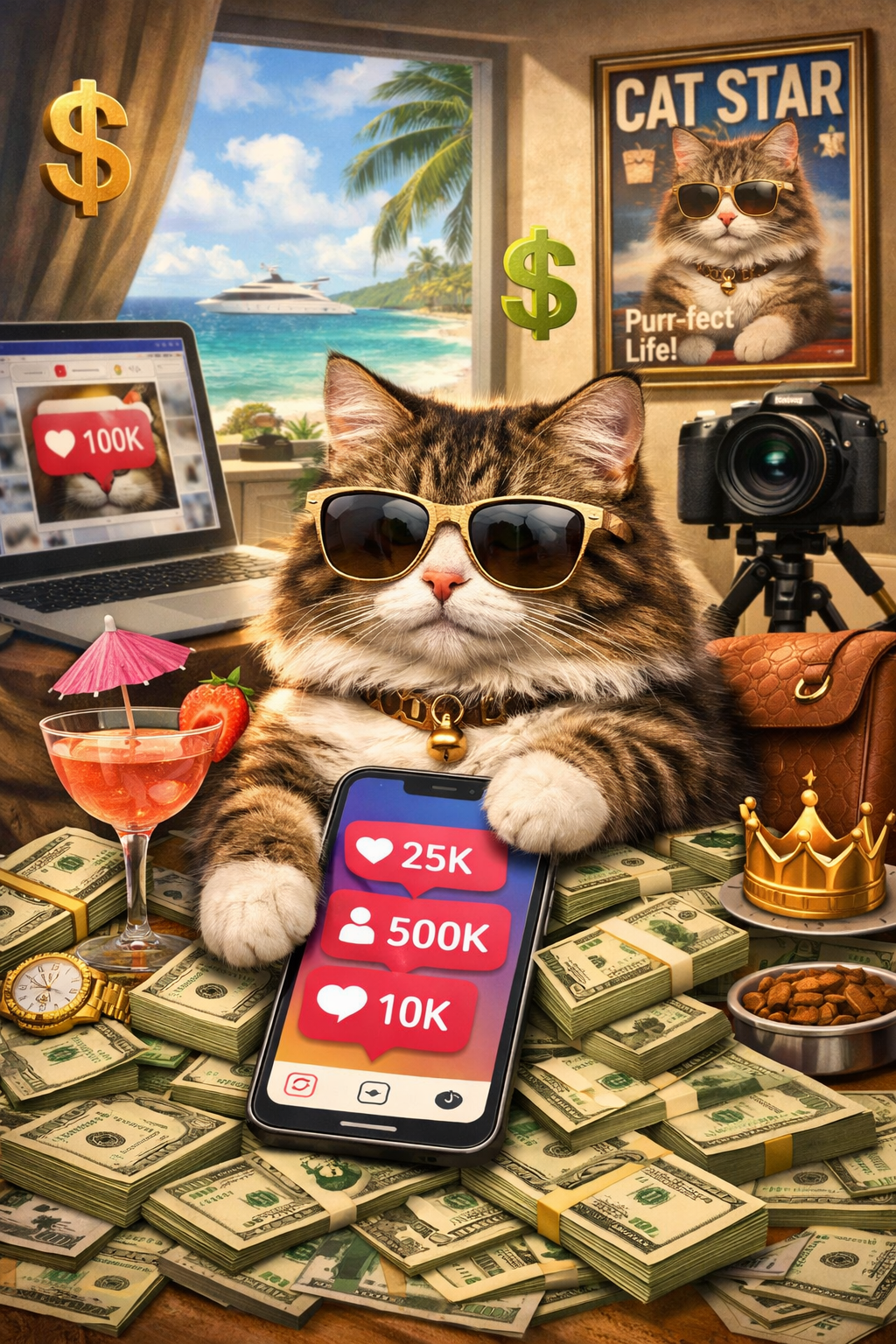
Social media has given fans an intimate look at their idols’ lives—and their cats often steal the spotlight. From heartwarming Instagram reels to late-night talk show appearances, cats have become pop culture icons.
Famous Cat-Loving Celebrities
- Taylor Swift – Her Scottish Folds, Olivia and Meredith, inspired massive global demand.
- Ed Sheeran – Advocates for rescued cats and responsible ownership.
- Ricky Gervais – Uses his platform to fight for animal rights.
- Martha Stewart – Highlights daily life with her cats, showing cats as family.
Together, they shape the public image of cats as loving, loyal companions—making feline adoption more appealing than ever.
The Positive Side of Celebrity Influence
Celebrity advocacy can genuinely benefit cats, especially when stars use their platforms for animal welfare, shelter visibility, and compassion.
1. Promoting Shelter Adoptions
Celebrities like Ricky Gervais and Ian Somerhalder frequently urge their followers to “adopt, don’t shop.” Their activism shines a light on shelter overpopulation.
According to the ASPCA, more than 3.2 million cats enter U.S. shelters annually. Every celebrity campaign encouraging adoption helps reduce that number.
2. Changing Stereotypes About Cats
Historically, cats were unfairly labeled as independent or aloof. Celebrities posting playful and affectionate moments with their cats humanize them—proving they’re just as emotionally connected as dogs.
3. Inspiring Conversations on Animal Welfare
Celebrities like Ellen DeGeneres have gone beyond owning pets—they’ve built businesses and partnerships that support shelters and improve pet nutrition. Such visibility helps mainstream discussions about responsible pet care and adoption ethics.
The Dark Side of Celebrity Pet Trends
Not all influence is positive. Sometimes, celebrity impact can spark harmful trends—especially when fans imitate without understanding responsibility.
1. Trend-Driven Impulse Adoptions
After Taylor Swift popularized her Scottish Fold cats, breeders were overwhelmed with requests. However, these cats are prone to painful genetic cartilage conditions.
As The Guardian reported, this surge in demand led to unethical breeding and abandoned cats—demonstrating the dark side of influencer-driven adoption.
2. Unethical Breeding and Exploitation
When a specific breed gains fame, irresponsible breeders seize the opportunity. Cats are overbred for looks, resulting in deformities, health issues, and unsustainable supply chains.
3. Unrealistic Celebrity Portrayals
Glamorous images of cats on jets or designer cushions create false expectations. Real cat ownership involves shedding, vet bills, litter training, and emotional care—not red carpets and photo ops.
Why Celebrity Influence Works (and Why It’s Dangerous)
Humans are wired for parasocial relationships—emotional one-way bonds with famous personalities. When fans see their idol adopt a cat, it feels personal and admirable.
Unfortunately, this emotional pull can bypass rational thought. Fans may adopt cats without considering time, finances, or compatibility—leading to neglect or rehoming later.
That’s why influence must come with education.
How Celebrities Can Use Their Influence Responsibly
1. Promote Adoption, Not Aesthetics
Stars should emphasize adopting from shelters, not buying exotic breeds. Platforms like Petfinder allow fans to find cats in need nearby, encouraging ethical adoption.
2. Share Authentic Pet Experiences
By showing the daily realities—scratched furniture, medication, and bonding challenges—celebrities can set realistic expectations for new cat owners.
3. Partner with Welfare Organizations
Collaborations with the ASPCA or local rescues can amplify meaningful change. A single sponsored adoption event or donation drive from a celebrity can save hundreds of lives.
4. Advocate for Animal Rights Laws
Beyond influence, stars can lend their voices to campaigns for stronger animal welfare legislation—spay/neuter funding, anti-cruelty laws, and breeder regulations.
Fans’ Role in Responsible Adoption
Celebrity admiration should inspire compassion, not imitation. Before adopting, consider:
- Can I afford vet care and food long-term?
- Do I have enough space and time for a cat’s needs?
- Am I ready to handle behavior challenges (scratching, litter box, etc.)?
If uncertain, start by fostering—a temporary but rewarding way to help without commitment.
Remember: the goal isn’t to be like your favorite celebrity—it’s to give a cat a loving, stable home for life.
Finding the Ethical Middle Ground
So, should celebrities who own cats influence adoption trends?
The answer is yes—but with ethical awareness and accountability.
When they pair influence with honesty and advocacy, celebrities can drive positive change. But if it’s purely for image, it risks turning cats into short-lived trends.
The balance lies in inspiring love while promoting responsibility.
Conclusion: Fame With a Feline Purpose
Cats are not accessories; they are companions deserving respect, care, and commitment. Celebrities have the power to redefine cat ownership culture—but with that power comes moral responsibility.
By promoting adoption, transparency, and empathy, stars can shift global attitudes toward more humane treatment of animals.
Let’s celebrate not just cats in the spotlight, but those waiting for homes in shelters—because true influence isn’t about trends; it’s about transforming lives.
✅ External Resources:
- ASPCA – Cat Adoption Facts & Figures
- The Guardian – Celebrity Pet Trends and Animal Welfare Concerns
- Petfinder – Find Adoptable Cats Near You


 Fresh Cat News: Trusted Updates for Cat Lovers & Responsible Owners
Do you found this guide useful, please leave a comment.