Introduction
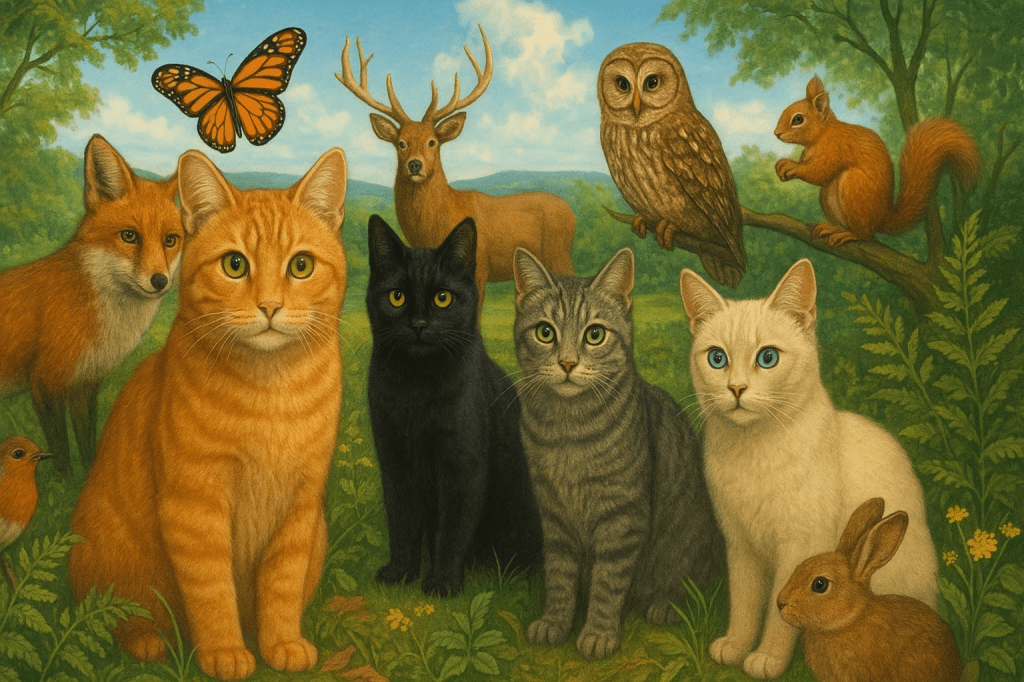
Cats love to go out . Whether stalking the rustle of leaves or basking in the sun, their outdoor curiosity seems endless. But that same curiosity can sometimes come at a cost to local wildlife. Studies show that domestic cats are responsible for the deaths of billions of birds and small mammals every year, particularly when they roam freely outdoors.
So how can cat owners allow their pets to enjoy nature without harming the ecosystems around them? The answer lies in adopting smarter habits and simple, science-backed tools—like light-up bell collars, bright anti-predation covers, and supervised outdoor adventures.
This guide explores practical ways to protect both your cat’s freedom and the wildlife that shares its world.
The Hidden Impact of Outdoor Cats
Cats as natural predators
Cats are instinctive hunters. Even the most pampered house cat will pounce when a bird flutters too close. The issue is that in most neighborhoods, cats are non-native predators—they hunt more than local ecosystems can naturally handle.
According to research highlighted by the ,https://nationalzoo.si.edu/migratory-birds free-roaming domestic cats are one of the largest human-influenced threats to wild bird populations in the U.S. This has led to the decline of several vulnerable species, especially in suburban and rural areas.
The balance between welfare and responsibility
Keeping cats indoors all the time may protect wildlife, but it can also limit a cat’s stimulation and well-being. Outdoor experiences provide mental enrichment, exercise, and opportunities for exploration—key elements of feline happiness. The goal, therefore, is not restriction but responsible freedom.
Smart Gear That Reduces Hunting Success
Modern solutions make it easier than ever to let your cat enjoy outdoor freedom without turning into a stealth predator. Here are a few proven and humane options:
1. Bright anti-predation collars
Colorful collar covers, such as those made by Birdsbesafe®, have been tested to reduce bird predation by more than 60% in real-world conditions (Birdsbesafe Research Summary). The bright fabric makes cats highly visible to birds, which are excellent at detecting color and movement—giving them time to fly away before danger strikes.
For safety, always pair the cover with a breakaway collar that snaps open if it catches on branches or fences. Never use non-releasing collars outdoors.
2. Bell collars and light-up tags
Bells may seem simple, but they’re surprisingly effective. When a cat moves, the bell rings, alerting nearby prey. Studies suggest bells can lower the number of animals caught by up to 40% (RSPB UK).
Light-up or reflective collars add an extra layer of protection—making cats visible to people, cars, and nocturnal wildlife, especially during dawn and dusk when many animals are most active.
3. Cat bibs and motion-limiting accessories
Products like the “CatBib” gently interfere with a cat’s ability to pounce accurately without causing discomfort or restricting normal play. These accessories are lightweight, soft, and specifically designed to protect birds and small mammals.
Why these tools work
- They warn potential prey before a cat can strike.
- They help humans identify and locate cats outdoors more easily.
- They maintain feline comfort and movement freedom.
While no device eliminates hunting completely, combining several of these methods drastically reduces the damage cats can cause.
Safe and Enriching Outdoor Time
If you’re not comfortable keeping your cat indoors full-time, structured and supervised outdoor time can provide the best of both worlds.
1. Build a “catio”
A catio—a screened or enclosed patio for cats—offers the sights, sounds, and smells of the outdoors without the danger. You can buy pre-made structures or build your own using mesh panels. A catio lets your cat nap in the sun, climb, and observe wildlife safely.
2. Leash training
Yes, cats can learn to walk on a leash! Start indoors with a comfortable harness, rewarding calm behavior with treats. Once your cat adjusts, move to a quiet outdoor space. Leash walks allow exploration while keeping full control over your cat’s movements.
3. Controlled schedules
Avoid letting your cat roam freely at dawn or dusk when birds are most active. Midday outings tend to be safer for wildlife. Rotating playtimes also keeps your cat’s routine varied and stimulating.
4. Enrich your backyard responsibly
- Keep bird feeders and baths away from bushes or tall grass where cats can hide.
- Plant dense shrubs or thorny hedges to create escape zones for small creatures.
- Avoid using chemical pesticides that harm both wildlife and your cat.
By designing your space thoughtfully, you can transform your garden into a safe haven for both your feline friend and the local fauna.
Encouraging Indoor Enrichment
A cat that’s mentally stimulated indoors will be less inclined to hunt outdoors. Consider:
- Interactive toys: Wand teasers, laser pointers, and puzzle feeders mimic hunting behavior safely.
- Window perches: Let your cat watch birds and activity from inside.
- Climbing structures: Cat trees, wall shelves, and tunnels keep cats agile and entertained.
- Rotating toys: Switch up play items weekly to keep them novel.
Regular play helps satisfy your cat’s predatory instincts, reducing its urge to hunt live prey when outside.
Working Together for Wildlife Protection
Protecting wildlife isn’t just an individual act—it’s a community effort. Here’s how you can go further:
1. Talk to your neighbors
Encourage others to use bell collars or keep cats indoors during sensitive times. Even a few owners changing habits can make a visible difference in local bird populations.
2. Support humane cat management programs
If your neighborhood has stray or feral cats, advocate for Trap-Neuter-Return (TNR) initiatives. TNR helps stabilize cat populations humanely and prevents kittens from being born into the wild, reducing long-term predation pressure. Learn more via the Alley Cat Allies organization.
3. Volunteer or donate
Wildlife rehabilitation centers, bird sanctuaries, and rescue organizations rely on local support. Contributing time or funds can directly benefit the animals most affected by outdoor predation.
Myths About Cats and Wildlife
Myth 1: “Cats only hunt if they’re hungry.”
False. Hunting is instinctual, not just about hunger. Even well-fed cats will stalk and catch prey for play or practice.
Myth 2: “A bell is cruel or stressful.”
Modern bells are lightweight and designed not to bother cats when properly fitted. Most adapt within days.
Myth 3: “Keeping cats indoors is unnatural.”
Cats have been domesticated for thousands of years. They adapt quickly to indoor environments, especially with enrichment and human attention.
Simple Steps for Cat Owners
Here’s a quick recap of what you can start doing today:
- Use a bright breakaway collar with a bell or anti-predation cover.
- Limit outdoor access to supervised or controlled times.
- Provide indoor enrichment to reduce hunting behavior.
- Build or buy a catio for safe outdoor stimulation.
- Educate your community about the ecological impact of free-roaming cats.
By combining these steps, you allow your cat to live a full, stimulating life—without threatening the delicate balance of local wildlife.
Conclusion
Cats are curious, capable, and endlessly fascinating creatures. They deserve safe, enriching lives—but the birds, lizards, and small mammals that share our backyards deserve protection, too.
With thoughtful choices—like bright collars, bell tags, structured outdoor time, and enriched indoor environments—we can create a win-win world where both cats and wildlife thrive.
Let’s choose responsibility over restriction and compassion over convenience. Protecting nature starts right at your doorstep, one small bell and one happy cat at a time.







 Fresh Cat News: Trusted Updates for Cat Lovers & Responsible Owners
Do you found this guide useful, please leave a comment.