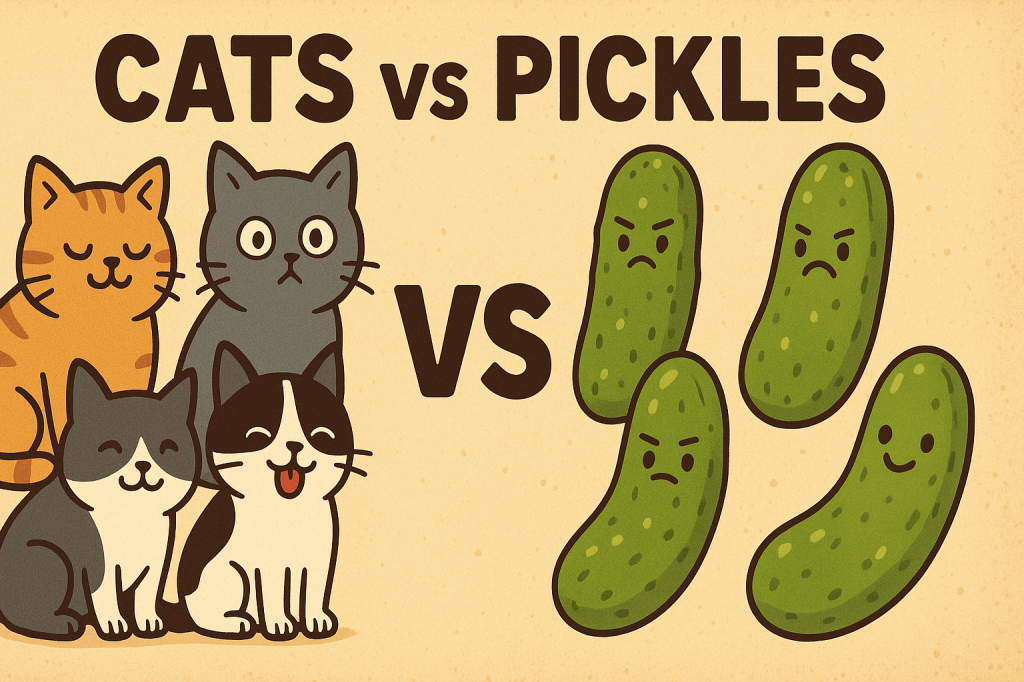
Introduction: A Viral Mystery in the Cat World
If you’ve ever spent time scrolling through social media, you’ve probably seen those hilarious — and sometimes shocking — videos where cats jump sky-high at the sight of a cucumber or a pickle. The trend, known as “Cats vs Pickles,” quickly became an internet sensation. Millions of viewers laughed as felines leaped in fear from harmless vegetables.
But behind the laughter lies a genuine question: why do cats react this way? Is it just a meme, or does it reveal something deeper about feline instincts and psychology? In this article, we’ll explore the science and behavior behind cats’ reactions to pickles and cucumbers, the ethical concerns of the viral trend, and how to keep your cat both entertained and stress-free.
1. The Origins of the “Cats vs Pickles” Trend
The craze began around 2015, when videos of cats jumping away from cucumbers started to circulate on YouTube and TikTok. The setup was simple: while a cat was distracted eating, someone would quietly place a cucumber or pickle behind it. When the cat turned around and noticed it, it would leap into the air or sprint away.
The videos quickly went viral, giving rise to hashtags like #CatsVsPickles and even inspiring a line of plush toys under the same name. But while humans found the reactions amusing, animal behaviorists had a different view — one that raised concerns about cat welfare and stress.
2. Why Cats React to Pickles and Cucumbers
Cats are not naturally afraid of cucumbers or pickles themselves. What they’re reacting to is the element of surprise and the shape of the object.
Here’s what’s really going on:
- Instinctive Startle Response:
Cats are both predators and prey animals in nature. This means they are wired to react instantly to sudden, unfamiliar threats in their environment. When a cat turns around and sees a cucumber it didn’t notice before, its brain interprets it as a potential snake or predator. - Shape and Color Similarity to Snakes:
The long, green shape of a cucumber or pickle can subconsciously trigger a fear of snakes — a natural survival instinct in many animals. - Violation of Territory:
Cats are very territorial creatures. Placing an unknown object near their food area — their “safe space” — can make them feel threatened or invaded, leading to a defensive or flight response. - Sensory Overload:
Cats rely heavily on scent and sight to understand their environment. A strange object with no familiar smell, appearing suddenly, can be deeply confusing.
So, your cat isn’t afraid of salad ingredients — it’s afraid of surprises.
3. The Psychological Impact: Funny or Frightening?
While “Cats vs Pickles” videos may look funny, most animal experts strongly discourage this trend. Here’s why:
- Stress and Anxiety:
Sudden fear can cause acute stress in cats. Over time, repeated exposure to such pranks can lead to chronic anxiety, hiding behavior, or aggression. - Trust Issues:
Cats build trust with their humans through safety and routine. Scaring them for entertainment can damage that bond, making your cat more cautious or fearful around you. - Physical Danger:
A startled cat can injure itself while jumping or running into furniture. There have been reports of cats hurting their tails, paws, or backs during such reactions.
According to animal behaviorist Jill Goldman, cats interpret sudden changes in their environment as threats:
“It’s not about the cucumber — it’s about the unpredictability. Cats thrive on consistency, and anything that violates that can create fear.”
So while the videos might seem lighthearted, it’s important to remember that your cat’s fear is real.
4. The Brand “Cats vs Pickles” — Turning a Meme into a Movement
Interestingly, the popularity of the phrase Cats vs Pickles gave birth to a toy brand of the same name. But this time, it was all in good fun and cat-safe.
The Cats vs Pickles plush toys feature adorable cartoonish cats and pickles with unique personalities. The idea was to turn the viral meme into something positive — cute collectibles that celebrate the humor of the trend without harming real cats.
These toys have become favorites among children and collectors, offering a fun way to engage with the theme without causing fear or stress to animals.
5. How to Keep Your Cat Entertained — the Safe Way
If you want to have fun with your cat, there are far better ways than surprising it with a pickle. Here are some healthy, cat-friendly alternatives:
🧶 a. Interactive Play
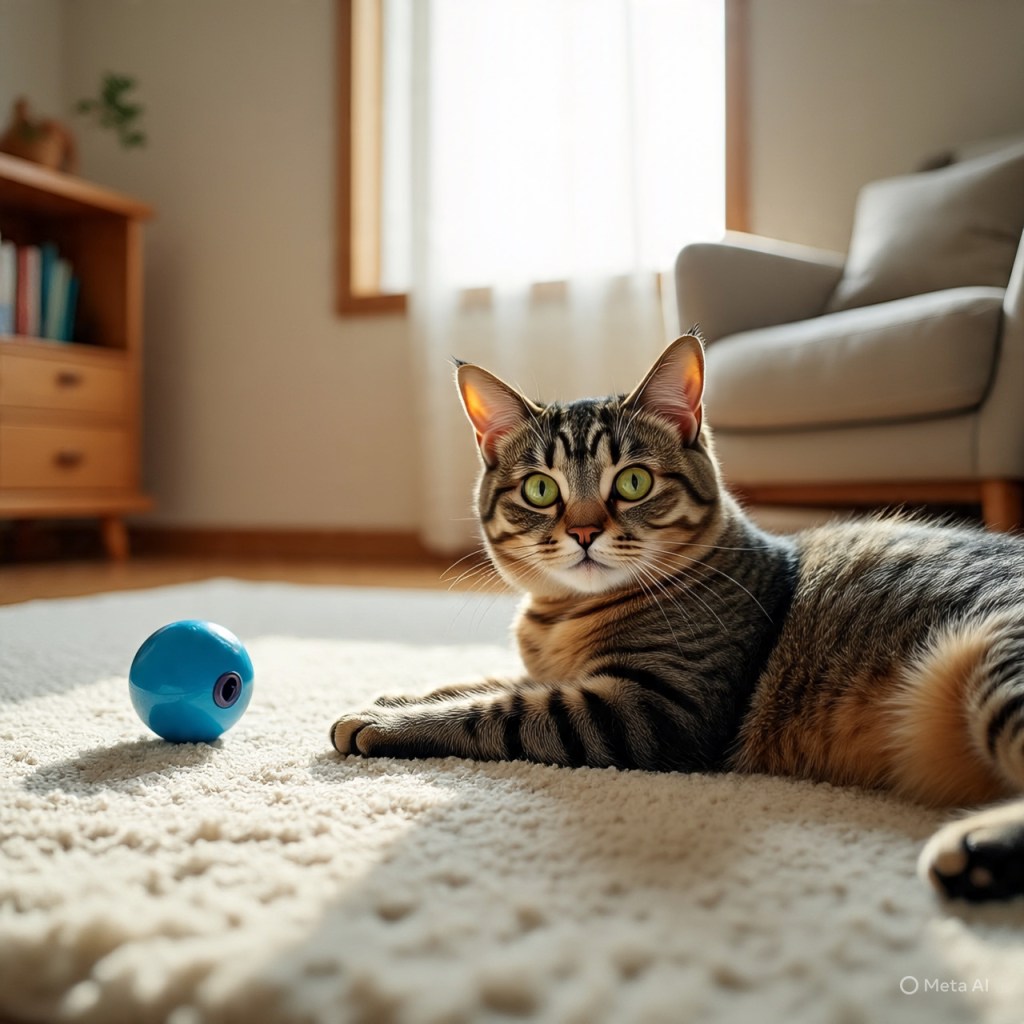
Use toys that mimic natural prey, like feather wands, laser pointers, or small plush mice. This engages your cat’s hunting instincts safely.
🍗 b. Puzzle Feeders
Cats love a challenge. Try puzzle feeders or treat balls that release food as your cat plays. They provide mental stimulation and keep cats occupied.
🏡 c. Safe Exploration
Set up cat trees, scratching posts, or shelves so your cat can climb and explore vertically. This helps them feel in control of their space.
💧 d. Enrichment Activities
Rotate toys weekly, add new scents (like catnip or silvervine), or open a window perch for bird watching. Cats thrive on variety — not surprise.
💬 e. Positive Training
Teach your cat simple tricks with clicker training and treats. It builds confidence and strengthens your bond.
6. What to Do If Your Cat Is Easily Frightened
Some cats are naturally more nervous than others. If your feline friend tends to overreact to noises or new objects, here’s how to help:
- Provide hiding spots: Cats feel safer when they can retreat. A covered bed or cardboard box works perfectly.
- Avoid loud surprises: Keep your home calm and predictable.
- Use calming aids: Pheromone diffusers or calming collars can reduce anxiety.
- Consult your vet: In severe cases, a vet or feline behaviorist can recommend treatments or behavioral therapy.
Remember: a confident cat is a happy cat.
7. Lessons from the Cats vs Pickles Phenomenon
The viral trend teaches us something essential about our pets — that what we find funny might not be funny to them.
It’s a reminder that cats, despite their independence, are sensitive and emotionally complex creatures.
They may not understand jokes, but they do understand love, security, and kindness.
When we respect their instincts, we help them live richer, calmer, and more joyful lives.
So the next time you see a “cats vs pickles” video online, smile — but also remember the real message:
Our cats deserve compassion, not confusion.
Conclusion: Respect the Cat, Not Just the Meme
The Cats vs Pickles phenomenon started as internet humor but evolved into an important conversation about animal behavior and ethics. Cats don’t fear pickles — they fear the unexpected. By understanding this, we can build deeper, more trusting relationships with our feline friends.
If you truly love your cat, skip the cucumber prank and choose kindness instead. Play with them, enrich their world, and give them the safety they crave.
🐾
Want to learn more about understanding your cat’s emotions and improving your bond?
👉 Explore our latest articles on Cat behavior — and join thousands of responsible cat lovers who believe that laughter should never come at the expense of love.


 Fresh Cat News: Trusted Updates for Cat Lovers & Responsible Owners
Do you found this guide useful, please leave a comment.