Introduction
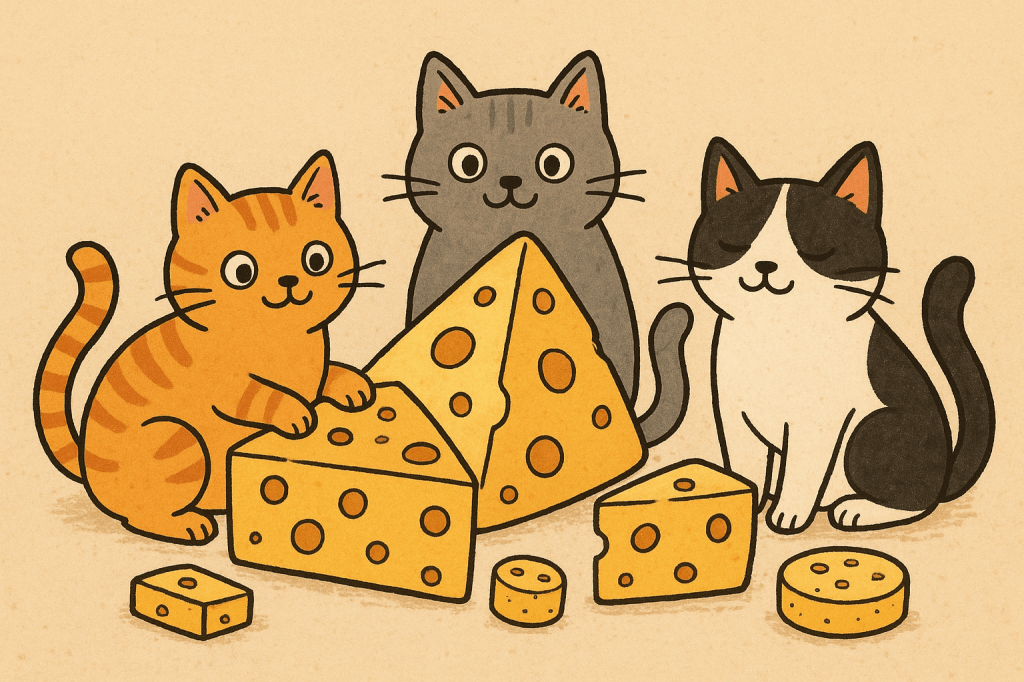
The question of whether cats can eat cheese is a common one among feline owners. This legitimate question deserves a nuanced answer, because while our four-legged friends often show a keen interest in dairy products, their digestive systems don’t necessarily share this enthusiasm. This article takes an in-depth look at the complex relationship between cats and cheese to help you make informed decisions about your pet’s diet.
Lactose Tolerance in Felines
Lactose Intolerance: A Physiological Reality
Contrary to popular belief, the majority of adult cats are lactose intolerant. This condition is explained by the gradual decline in the production of lactase, the enzyme responsible for digesting lactose, after weaning. Kittens naturally produce this enzyme to digest their mother’s milk, but this ability diminishes considerably during adulthood.
When a lactose-intolerant cat consumes dairy products, the consequences can include various digestive issues: diarrhea, vomiting, flatulence, and abdominal discomfort. These symptoms generally appear within hours of ingestion and can last up to 24 hours.
Cheese: Composition and Specific Characteristics
Variable Lactose Content
Cheese has an interesting characteristic for cat owners: its lactose content varies considerably depending on the type and manufacturing process. Mature cheeses, such as cheddar, Parmesan, or Gruyère, contain significantly lower amounts of lactose compared to fresh milk. This reduction is explained by the fermentation process during which lactic acid bacteria consume a significant portion of the lactose.
Conversely, fresh cheeses such as mozzarella, fromage blanc, or ricotta retain a higher lactose content and therefore pose an increased risk of digestive issues in felines.
Risks Associated with Cheese Consumption
Beyond Lactose Intolerance
The issue of cheese in feline diets is not limited to lactose alone. Several other factors must be considered by responsible owners.
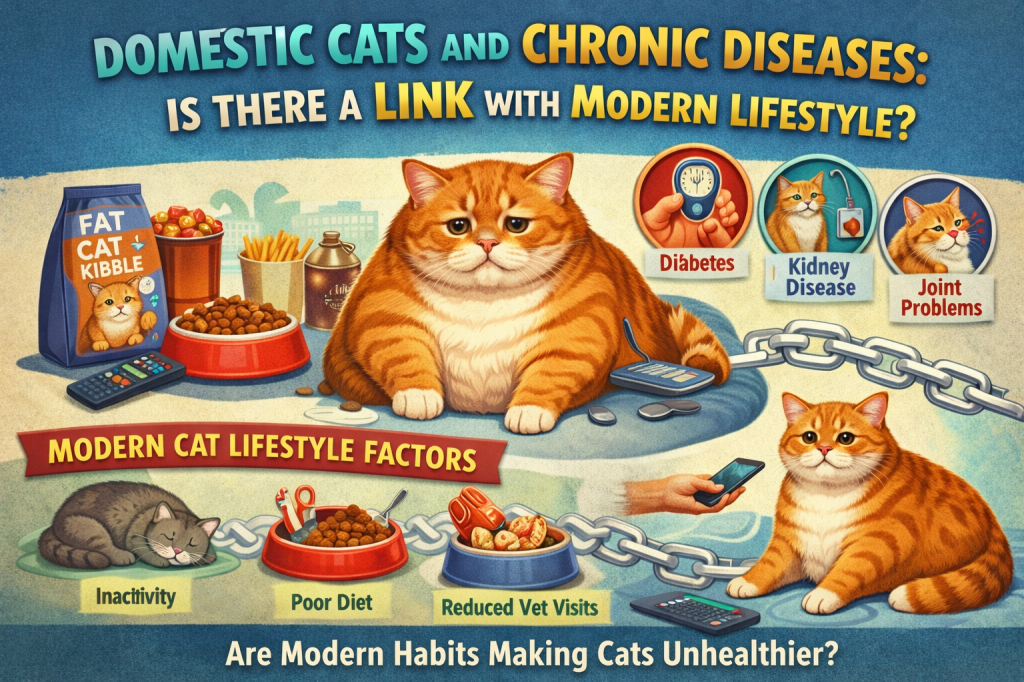
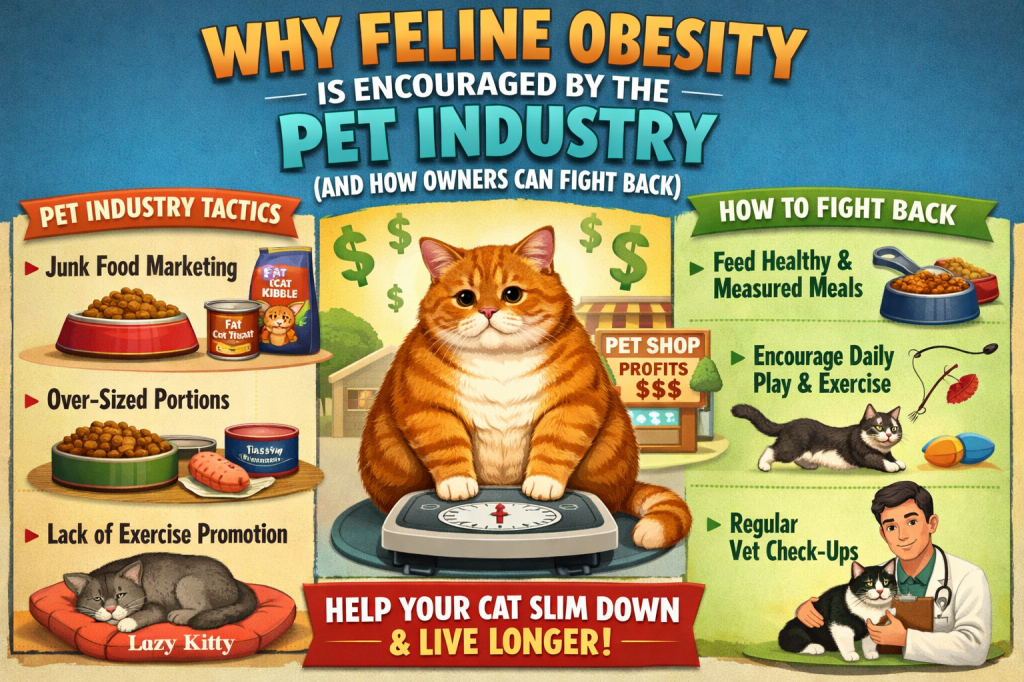
First, cheese is a particularly high-calorie and high-fat food. Regular or excessive consumption can contribute to feline obesity, a serious health condition that affects many domestic cats. Obesity significantly increases the risk of diabetes, heart disease, and osteoarthritis in our companions.
Second, the high salt content of many cheeses poses a potential danger. Cats have much lower sodium requirements than humans, and overconsumption can lead to dehydration, high blood pressure, or, in extreme cases, sodium toxicity.
Food Allergies and Intolerances
Some cats may develop specific allergies or sensitivities to milk proteins, distinct from lactose intolerance. These reactions can manifest as skin symptoms such as itching, redness, or irritation, in addition to digestive problems.
Cheese as an Occasional Treat
Cautious Recommendations
If your cat tolerates cheese well and shows no signs of digestive problems after minimal consumption, it can be considered an occasional treat. However, several precautions should be taken.
Always favor hard, ripened cheeses, which contain less lactose. Strictly limit quantities to very small pieces, no more than half a teaspoon, and only offer this treat exceptionally, no more than once or twice a month.
Observe your pet closely for 24 hours after consumption for any signs of digestive discomfort. If you notice any unusual symptoms, immediately stop giving cheese and consult your veterinarian if symptoms persist.
Recommended nutritional alternatives
More suitable treats
To reward your cat without compromising their health, choose alternatives specially formulated for felines. Commercial cat treats meet their specific nutritional needs and have an optimal safety profile.
Cooked animal proteins, such as small pieces of unseasoned chicken or fish, are also excellent options. These foods are more in line with felines’ natural carnivorous diet and provide beneficial nutrients without the drawbacks of dairy products.
Conclusion
Ultimately, while cats can technically consume cheese in minimal amounts, this food is neither an optimal nutritional choice nor a necessity for their well-being. Caution and moderation remain the key words for any owner wishing to occasionally share this treat with their feline companion. If you have any doubts about your cat’s diet or if you observe any unusual reactions, do not hesitate to consult your veterinarian who will be able to provide you with personalized advice adapted to your pet’s specific situation.




 Fresh Cat News: Trusted Updates for Cat Lovers & Responsible Owners
Do you found this guide useful, please leave a comment.