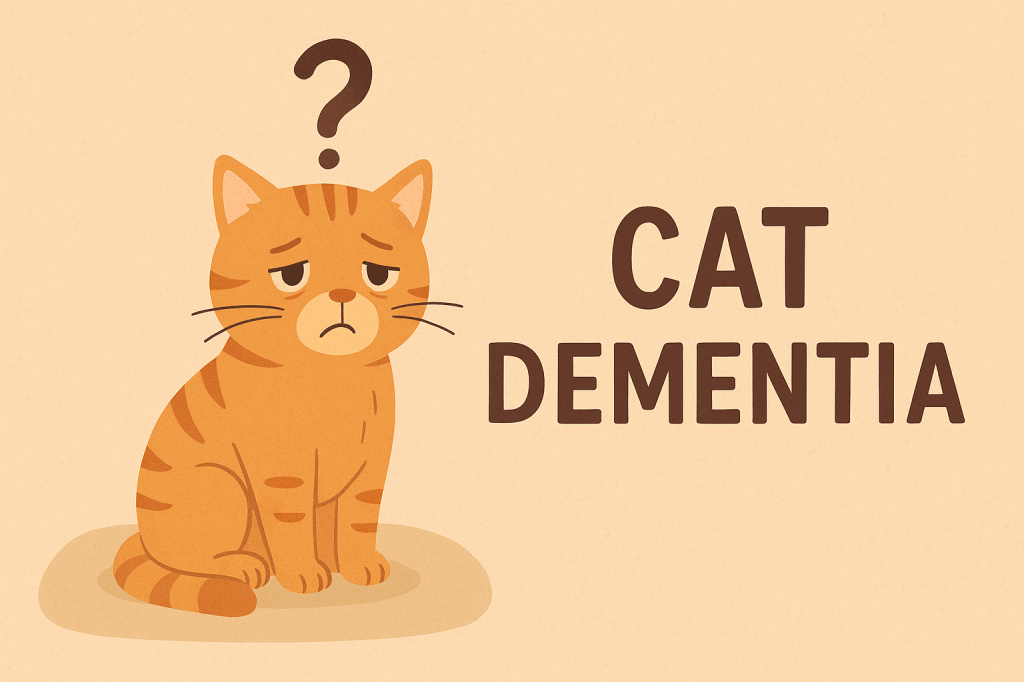
Worried your cat might be showing signs of dementia? Discover the 8 early symptoms of feline cognitive dysfunction (cat dementia) and learn what to do immediately to support your cat’s health and quality of life. This complete guide explains how to recognize confusion, disorientation, changes in sleep or behavior, and loss of litter box habits — plus veterinary tips, home care strategies, and prevention advice to help your senior cat stay happy and comfortable. Perfect for all cat owners who want to understand and act fast when memory problems arise.
Introduction
As our feline companions age, many of us notice subtle changes in their behavior: sleeping more, grooming less, or seeming a bit “off.” But in some cases, these shifts may point to feline cognitive dysfunction syndrome (CDS) — colloquially called “dementia in cats.” While there is no cure, early recognition and intervention can meaningfully improve your cat’s quality of life.
In this article, you’ll learn the 8 common signs of dementia in cats, how to distinguish them from other age-related diseases, and practical strategies to support your cat if they are affected.
What Is Dementia in Cats?
What we call “dementia” in cats is more precisely termed cognitive dysfunction syndrome (CDS) or feline cognitive dysfunction. This is an age-related decline in brain function, akin in some ways to Alzheimer’s in humans, though not identical.
In CDS, nerve cells in the brain gradually lose their ability to communicate, sometimes owing to deposits of proteins (e.g. beta-amyloid) or reduced blood flow, and oxidative or metabolic stress. Over time, this impairs memory, orientation, learning, and behavior.
Because many signs of CDS overlap with other medical conditions (like kidney disease, thyroid imbalance, arthritis, or sensory loss), diagnosing dementia in cats is often a process of eliminating other causes.
Cats typically begin to show signs of CDS after age 10–12, but structural changes in their brains may start earlier.
Veterinarians sometimes use the mnemonic DISHAA or VISHAAL to help remember key symptom categories of feline cognitive dysfunction. Mnemonic Meaning DISHAADisorientation, Interactions, Sleep/wake, Housetraining, Activity, Anxiety VISHAALVocalization, Interaction, Sleep/wake, Housetraining, Activity, Anxiety, Learning/memory
We’ll break these down into 8 specific signs below.
The 8 Key Signs of Dementia in Cats
Here are the eight frequent warning signs of dementia in aging cats. If your cat shows one or more, it’s wise to see a veterinarian.
1. Disorientation or Getting Lost
One of the hallmark signs is spatial disorientation. Your cat may seem confused, wander aimlessly, or fail to find familiar places (like doors, windows, the litter box, or food bowls). They may get stuck behind furniture, walk into corners, or act like they’re in an unfamiliar room.
Temporal disorientation is also common — forgetting when mealtimes are or thinking they haven’t eaten, even if they have.
2. Changes in Sleep–Wake Cycle (Nocturnal Activity)
Cats are creatures of habit, but one of the first signs of CDS is an altered sleep–wake cycle. The cat may be awake at night, pacing, vocalizing, or restless, and then sleep more during the day.
This reversal leads to a more disrupted household, especially if your cat disturbs you at night.
3. House Soiling or Litter Box Mistakes
A cat that has been reliably litter-trained might begin to urinate or defecate outside the box. They may forget where the box is, wander halfway and stop, or relieve themselves in strange places.
However, this symptom must be evaluated carefully, since urinary tract infections, arthritis, incontinence, or kidney disease are common in older cats and can cause litter box issues as well.
4. Increased Vocalization or Howling
Many cats with dementia begin to meow more frequently, particularly at night, often for no apparent reason. They may seem distressed or call out repeatedly.
This can be among the more noticeable and disruptive symptoms. But increased vocalization may also stem from pain, hyperthyroidism, hypertension, or sensory deficits.
5. Altered Interaction or Social Behavior
Cats with dementia may change how they relate to you or other pets. Some become more clingy or overly dependent, others withdraw or avoid contact.
You might notice:
- Loss of interest in being petted
- Reduced greetings or less attention to familiar people
- Irritability or aggression where none existed before
6. Activity Level Changes (Hyper- or Hypoactivity)
Activity levels often shift. Some cats pace or roam excessively; others become withdrawn and less responsive to stimuli.
You may notice:
- Repetitive pacing
- Wandering with no goal
- Loss of curiosity or interest in toys or familiar routines
- Apathy or slowness in movement
- Decreased grooming (leading to matted fur)
As always, caution: arthritis, dental disease, or pain may reduce mobility and activity as well.
7. Anxiety, Restlessness, or Panic
Behavioral changes tied to anxiety and agitation are common. Your cat might show signs of restlessness, pacing, sudden fear, or a general sense of discomfort or unease.
They may react fiercely to stimuli they used to ignore or seem on edge. This is sometimes tied to confusion or sensory misinterpretation.
8. Learning & Memory Loss
Finally, you may observe that your cat forgets familiar tasks. For example:
- Failing to recall where food or litter boxes are
- Repeatedly asking for food
- Repeating behaviors
- Seeming to “lose track” of what they were doing
This memory decline is part of the degenerative process in the brain.
Putting It All Together
To help you see how these signs overlap and interrelate, here’s a summary: Sign What it Looks Like Common Overlaps / Differential Diagnoses Disorientation Wandering, bumping into things, not finding places Brain tumor, stroke, blindness, arthritis Sleep-wake reversal Nocturnal restlessness, daytime napping Hyperthyroidism, kidney disease, pain House soiling Urinating or defecating outside litter box Urinary issues, arthritis, incontinence Increased vocalization Meowing, howling especially at night Pain, thyroid disease, hypertension Changed social behavior Affection changes, withdrawal Sensory decline, arthritis, depression Activity shift Pacing or lethargy Pain, joint disease, metabolic conditions Anxiety / restlessness Pacing, panic attacks, agitation Anxiety disorders, pain, sensory loss Memory loss Forgetting routines, repeating actions Ear/nose problems, blindness, confusion from metabolic disease
Because many of these signs mimic or overlap with other health issues, a veterinarian’s evaluation is essential to rule out treatable conditions before attributing changes to dementia.
What You Should Do (Steps & Strategies)
Even though dementia in cats cannot be cured, there are many ways to slow the progression, ease symptoms, and enhance quality of life. Below is a practical roadmap.
1. Seek Veterinary Diagnosis & Rule Out Other Causes
Your first step is a veterinary checkup. The vet will likely:
- Perform blood tests, urine tests, and thyroid function checks
- Check kidney function, liver, electrolyte levels
- Evaluate for pain, arthritis, dental disease
- Assess hearing and vision
- Possibly image the brain (X-ray, MRI) if a neurological cause is suspected
- Ask detailed behavioral history and timeline
Only when other treatable causes are excluded (or addressed) can a diagnosis of CDS be made with confidence.
2. Establish a Stable, Predictable Routine
Cats with dementia benefit enormously from consistency and routine:
- Feed meals at the same times daily
- Keep litter boxes, food bowls, water bowls, beds in fixed locations
- Avoid rearranging furniture or introducing sudden changes
- Use nightlights so your cat can navigate in low light
- Minimize environmental stressors (no loud noises, sudden changes)
3. Environmental Enrichment & Safety
To slow cognitive decline and reduce frustration:
- Provide interactive feeders and puzzle toys
- Use cat towers, ramps, or steps to help them reach high spots safely
- Add extra litter boxes on each floor, with low rims if mobility is limited
- Ensure safe spaces that are easy to reach
- Use tactile cues (e.g. textured rugs) to guide movement
- Avoid leaving them alone for long periods
- Consider gentle, frequent play sessions to stimulate mind & body
4. Dietary & Nutritional Support
While no diet cures dementia, certain nutrients may help support brain health:
- Diets enriched with medium-chain triglycerides (MCTs), antioxidants, omega-3 fatty acids (EPA, DHA), B vitamins, and mitochondrial support compounds may be beneficial.
- Ensure your cat remains well-hydrated
- Talk with your vet before switching diets or adding supplements
- Some veterinary diets are specifically formulated for cognitive support (check veterinary nutritionists)
5. Medications & Supplements (Under Veterinary Guidance)
There is no drug that fully reverses dementia in cats, but your vet may consider:
- Selegiline (L-deprenyl) — used in dogs for CDS, occasionally tried off-label in cats
- Antioxidant or mitochondrial supplements
- Anxiolytics or mild sedatives for severe nighttime agitation
- Gingko biloba, SAMe, or other neuroprotective supplements (used cautiously)
- Anti-anxiety pheromone sprays (e.g. Feliway) or plug-ins
- Always use medications prescribed for cats — never give human drugs without veterinary oversight
6. Monitor, Adjust, and Reassess Regularly
Because CDS is progressive:
- Keep a behavior journal tracking symptoms, changes, and frequency
- Recheck with the vet every 3–6 months
- Adjust diet, environment, or dosage as needed
- Watch for new signs that may indicate other illnesses (e.g. weight loss, vomiting, pain)
7. Make the Home Safer
To prevent accidents or injury:
- Place rugs to improve traction
- Use nightlights, especially near litter boxes and food areas
- Block off stairs or unsafe areas
- Remove sharp or confusing obstacles
- Use shallow litter boxes with easy entry
- Ensure easy access to food, water, litter without requiring strenuous jumping
8. Quality of Life & End-of-Life Considerations
As CDS advances, quality of life becomes paramount:
- Evaluate how often your cat seems anxious, distressed, or uncomfortable
- Consider palliative pain relief, comfort care, and environmental support
- Discuss humane euthanasia compassionately with your vet when “bad days” outnumber good days
- Always prioritize the cat’s comfort, dignity, and mental ease
Many cats with dementia can still live happily for months or even years with careful support.
When to Act Quickly / Seek Emergency Help
Dementia itself is usually not a veterinary emergency. However, if your cat also displays any of the following, seek veterinary care immediately:
- Sudden collapse or seizures
- Uncontrolled vomiting or diarrhea
- Severe lethargy or refusal to eat
- Obvious neurologic signs (circling, head tilt)
- Trauma, bleeding, or wobbly gait
- Extreme dehydration
These could point to other urgent conditions beyond CDS.
Additional Resources & References
For further reading, these reputable sources are excellent:
- PetMD: Dementia in Cats
- Cornell Feline Health Center: Cognitive Dysfunction
- ICatCare: Cognitive Dysfunction Syndrome in Cats
- Vetster: Detection and management of cognitive dysfunction in cats
- Morris Animal Foundation: Mental Decline in Aging Cats
These provide deeper dives into pathophysiology, nutritional support, and care strategies.
Conclusion
Recognizing the subtle signs of dementia (CDS) in cats is key to intervening early and preserving your cat’s comfort, dignity, and quality of life. The eight core signs — disorientation, altered sleep cycles, litter box mistakes, increased vocalization, social changes, shifts in activity, anxiety, and memory loss — form a useful framework for observation.
But remember: many of these symptoms overlap with treatable medical conditions. The cornerstone of care is a veterinary diagnosis, followed by a tailored plan combining environmental support, nutrition, safe space, behavioral enrichment, and sometimes medications.
If you suspect your aging cat is showing signs of dementia, start with a veterinary visit, keep meticulous notes on behavior, and make gradual, compassionate changes to your cat’s routine and environment. With love, patience, and thoughtful care, many cats affected by CDS can continue to enjoy their twilight years in comfort.
If you like, I can also transform this into a shorter blog post, infographic, or social media format. Would you like me to do that?
Introduction
As our feline companions age, many of us notice subtle changes in their behavior: sleeping more, grooming less, or seeming a bit “off.” But in some cases, these shifts may point to feline cognitive dysfunction syndrome (CDS) — colloquially called “dementia in cats.” While there is no cure, early recognition and intervention can meaningfully improve your cat’s quality of life.
In this article, you’ll learn the 8 common signs of dementia in cats, how to distinguish them from other age-related diseases, and practical strategies to support your cat if they are affected.
What Is Dementia in Cats?
What we call “dementia” in cats is more precisely termed cognitive dysfunction syndrome (CDS) or feline cognitive dysfunction. This is an age-related decline in brain function, akin in some ways to Alzheimer’s in humans, though not identical.
In CDS, nerve cells in the brain gradually lose their ability to communicate, sometimes owing to deposits of proteins (e.g. beta-amyloid) or reduced blood flow, and oxidative or metabolic stress. Over time, this impairs memory, orientation, learning, and behavior.
Because many signs of CDS overlap with other medical conditions (like kidney disease, thyroid imbalance, arthritis, or sensory loss), diagnosing dementia in cats is often a process of eliminating other causes.
Cats typically begin to show signs of CDS after age 10–12, but structural changes in their brains may start earlier.
Veterinarians sometimes use the mnemonic DISHAA or VISHAAL to help remember key symptom categories of feline cognitive dysfunction. Mnemonic Meaning DISHAADisorientation, Interactions, Sleep/wake, Housetraining, Activity, Anxiety VISHAALVocalization, Interaction, Sleep/wake, Housetraining, Activity, Anxiety, Learning/memory
We’ll break these down into 8 specific signs below.
The 8 Key Signs of Dementia in Cats
Here are the eight frequent warning signs of dementia in aging cats. If your cat shows one or more, it’s wise to see a veterinarian.
1. Disorientation or Getting Lost
One of the hallmark signs is spatial disorientation. Your cat may seem confused, wander aimlessly, or fail to find familiar places (like doors, windows, the litter box, or food bowls). They may get stuck behind furniture, walk into corners, or act like they’re in an unfamiliar room.
Temporal disorientation is also common — forgetting when mealtimes are or thinking they haven’t eaten, even if they have.
2. Changes in Sleep–Wake Cycle (Nocturnal Activity)
Cats are creatures of habit, but one of the first signs of CDS is an altered sleep–wake cycle. The cat may be awake at night, pacing, vocalizing, or restless, and then sleep more during the day.
This reversal leads to a more disrupted household, especially if your cat disturbs you at night.
3. House Soiling or Litter Box Mistakes
A cat that has been reliably litter-trained might begin to urinate or defecate outside the box. They may forget where the box is, wander halfway and stop, or relieve themselves in strange places.
However, this symptom must be evaluated carefully, since urinary tract infections, arthritis, incontinence, or kidney disease are common in older cats and can cause litter box issues as well.
4. Increased Vocalization or Howling
Many cats with dementia begin to meow more frequently, particularly at night, often for no apparent reason. They may seem distressed or call out repeatedly.
This can be among the more noticeable and disruptive symptoms. But increased vocalization may also stem from pain, hyperthyroidism, hypertension, or sensory deficits.
5. Altered Interaction or Social Behavior
Cats with dementia may change how they relate to you or other pets. Some become more clingy or overly dependent, others withdraw or avoid contact.
You might notice:
- Loss of interest in being petted
- Reduced greetings or less attention to familiar people
- Irritability or aggression where none existed before
6. Activity Level Changes (Hyper- or Hypoactivity)
Activity levels often shift. Some cats pace or roam excessively; others become withdrawn and less responsive to stimuli.
You may notice:
- Repetitive pacing
- Wandering with no goal
- Loss of curiosity or interest in toys or familiar routines
- Apathy or slowness in movement
- Decreased grooming (leading to matted fur)
As always, caution: arthritis, dental disease, or pain may reduce mobility and activity as well.
7. Anxiety, Restlessness, or Panic
Behavioral changes tied to anxiety and agitation are common. Your cat might show signs of restlessness, pacing, sudden fear, or a general sense of discomfort or unease.
They may react fiercely to stimuli they used to ignore or seem on edge. This is sometimes tied to confusion or sensory misinterpretation.
8. Learning & Memory Loss
Finally, you may observe that your cat forgets familiar tasks. For example:
- Failing to recall where food or litter boxes are
- Repeatedly asking for food
- Repeating behaviors
- Seeming to “lose track” of what they were doing
This memory decline is part of the degenerative process in the brain.
Putting It All Together
To help you see how these signs overlap and interrelate, here’s a summary: Sign What it Looks Like Common Overlaps / Differential Diagnoses Disorientation Wandering, bumping into things, not finding places Brain tumor, stroke, blindness, arthritis Sleep-wake reversal Nocturnal restlessness, daytime napping Hyperthyroidism, kidney disease, pain House soiling Urinating or defecating outside litter box Urinary issues, arthritis, incontinence Increased vocalization Meowing, howling especially at night Pain, thyroid disease, hypertension Changed social behavior Affection changes, withdrawal Sensory decline, arthritis, depression Activity shift Pacing or lethargy Pain, joint disease, metabolic conditions Anxiety / restlessness Pacing, panic attacks, agitation Anxiety disorders, pain, sensory loss Memory loss Forgetting routines, repeating actions Ear/nose problems, blindness, confusion from metabolic disease
Because many of these signs mimic or overlap with other health issues, a veterinarian’s evaluation is essential to rule out treatable conditions before attributing changes to dementia.
What You Should Do (Steps & Strategies)
Even though dementia in cats cannot be cured, there are many ways to slow the progression, ease symptoms, and enhance quality of life. Below is a practical roadmap.
1. Seek Veterinary Diagnosis & Rule Out Other Causes
Your first step is a veterinary checkup. The vet will likely:
- Perform blood tests, urine tests, and thyroid function checks
- Check kidney function, liver, electrolyte levels
- Evaluate for pain, arthritis, dental disease
- Assess hearing and vision
- Possibly image the brain (X-ray, MRI) if a neurological cause is suspected
- Ask detailed behavioral history and timeline
Only when other treatable causes are excluded (or addressed) can a diagnosis of CDS be made with confidence.
2. Establish a Stable, Predictable Routine
Cats with dementia benefit enormously from consistency and routine:
- Feed meals at the same times daily
- Keep litter boxes, food bowls, water bowls, beds in fixed locations
- Avoid rearranging furniture or introducing sudden changes
- Use nightlights so your cat can navigate in low light
- Minimize environmental stressors (no loud noises, sudden changes)
3. Environmental Enrichment & Safety
To slow cognitive decline and reduce frustration:
- Provide interactive feeders and puzzle toys
- Use cat towers, ramps, or steps to help them reach high spots safely
- Add extra litter boxes on each floor, with low rims if mobility is limited
- Ensure safe spaces that are easy to reach
- Use tactile cues (e.g. textured rugs) to guide movement
- Avoid leaving them alone for long periods
- Consider gentle, frequent play sessions to stimulate mind & body
4. Dietary & Nutritional Support
While no diet cures dementia, certain nutrients may help support brain health:
- Diets enriched with medium-chain triglycerides (MCTs), antioxidants, omega-3 fatty acids (EPA, DHA), B vitamins, and mitochondrial support compounds may be beneficial.
- Ensure your cat remains well-hydrated
- Talk with your vet before switching diets or adding supplements
- Some veterinary diets are specifically formulated for cognitive support (check veterinary nutritionists)
5. Medications & Supplements (Under Veterinary Guidance)
There is no drug that fully reverses dementia in cats, but your vet may consider:
- Selegiline (L-deprenyl) — used in dogs for CDS, occasionally tried off-label in cats
- Antioxidant or mitochondrial supplements
- Anxiolytics or mild sedatives for severe nighttime agitation
- Gingko biloba, SAMe, or other neuroprotective supplements (used cautiously)
- Anti-anxiety pheromone sprays (e.g. Feliway) or plug-ins
- Always use medications prescribed for cats — never give human drugs without veterinary oversight
6. Monitor, Adjust, and Reassess Regularly
Because CDS is progressive:
- Keep a behavior journal tracking symptoms, changes, and frequency
- Recheck with the vet every 3–6 months
- Adjust diet, environment, or dosage as needed
- Watch for new signs that may indicate other illnesses (e.g. weight loss, vomiting, pain)
7. Make the Home Safer
To prevent accidents or injury:
- Place rugs to improve traction
- Use nightlights, especially near litter boxes and food areas
- Block off stairs or unsafe areas
- Remove sharp or confusing obstacles
- Use shallow litter boxes with easy entry
- Ensure easy access to food, water, litter without requiring strenuous jumping
8. Quality of Life & End-of-Life Considerations
As CDS advances, quality of life becomes paramount:
- Evaluate how often your cat seems anxious, distressed, or uncomfortable
- Consider palliative pain relief, comfort care, and environmental support
- Discuss humane euthanasia compassionately with your vet when “bad days” outnumber good days
- Always prioritize the cat’s comfort, dignity, and mental ease
Many cats with dementia can still live happily for months or even years with careful support.
When to Act Quickly / Seek Emergency Help
Dementia itself is usually not a veterinary emergency. However, if your cat also displays any of the following, seek veterinary care immediately:
- Sudden collapse or seizures
- Uncontrolled vomiting or diarrhea
- Severe lethargy or refusal to eat
- Obvious neurologic signs (circling, head tilt)
- Trauma, bleeding, or wobbly gait
- Extreme dehydration
These could point to other urgent conditions beyond CDS.
Additional Resources & References
For further reading, these reputable sources are excellent:
- https://www.petmd.comcat cognitive dysfunction
- https://icatcare.org
- https://vetster.com
- https://www.morrisanimalfoundation.org
These provide deeper dives into pathophysiology, nutritional support, and care strategies.
Conclusion
Recognizing the subtle signs of dementia (CDS) in cats is key to intervening early and preserving your cat’s comfort, dignity, and quality of life. The eight core signs — disorientation, altered sleep cycles, litter box mistakes, increased vocalization, social changes, shifts in activity, anxiety, and memory loss — form a useful framework for observation.
But remember: many of these symptoms overlap with treatable medical conditions. The cornerstone of care is a veterinary diagnosis, followed by a tailored plan combining environmental support, nutrition, safe space, behavioral enrichment, and sometimes medications.
If you suspect your aging cat is showing signs of dementia, start with a veterinary visit, keep meticulous notes on behavior, and make gradual, compassionate changes to your cat’s routine and environment. With love, patience, and thoughtful care, many cats affected by CDS can continue to enjoy their twilight years in comfort.




 Fresh Cat News: Trusted Updates for Cat Lovers & Responsible Owners
Do you found this guide useful, please leave a comment.