What Can Be the Reasons and What to Do When a Cat Dies Suddenly in Sleep?
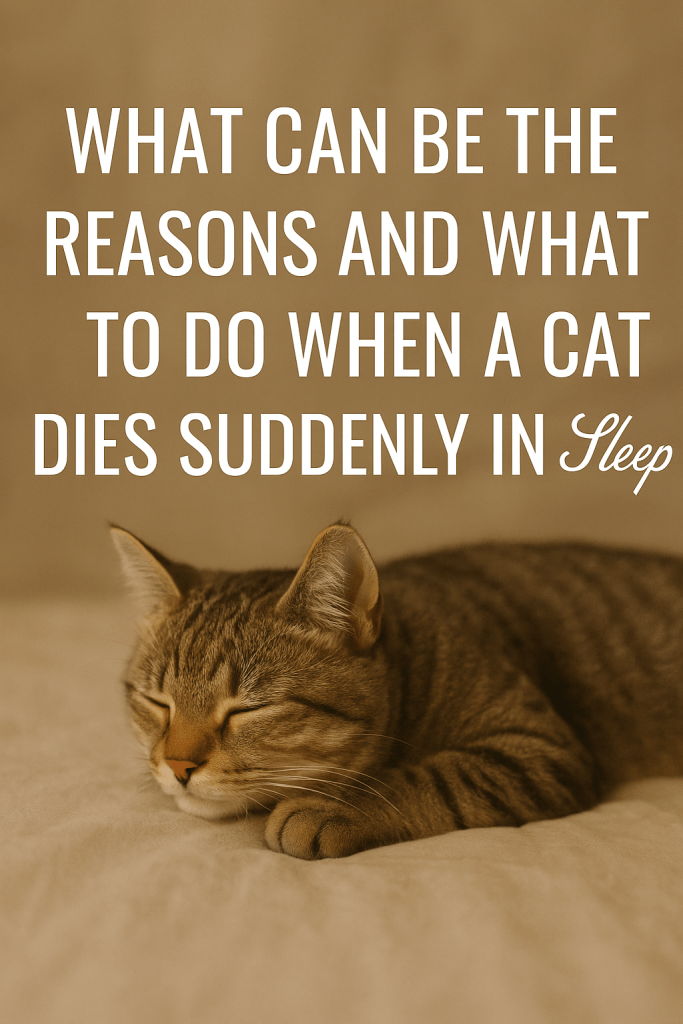
Discover the possible reasons why a cat might die suddenly in its sleep, what to do immediately after, and how to cope with grief. Learn about heart disease, toxins, infections, and prevention tips from vets and experts.
Introduction: When Loss Comes Without Warning
Few experiences are as heartbreaking for a cat owner as discovering that a beloved feline has died suddenly, especially in their sleep. It feels surreal: yesterday, your cat was purring on your lap, and today, they are gone without warning.
While it may feel like there are no answers, veterinary science does provide insights into why cats sometimes die suddenly in their sleep. This article explores the common causes, what to do immediately, and how to cope with grief and move forward.
Why Do Cats Sometimes Die Suddenly in Their Sleep?
Cats are masters at hiding illness. What seems like a peaceful passing may have been the result of underlying conditions that weren’t obvious. Here are the most common causes.
1. Heart Disease (Cardiomyopathy & Arrhythmias)
- Hypertrophic cardiomyopathy (HCM) is a leading cause of sudden death in cats.
- It thickens the heart muscle, often undetected, until it causes heart failure or an arrhythmia.
- https://icatcare.org
2. Trauma (Often Hidden)
Even indoor cats can suffer hidden injuries — from falls, rough play, or accidents — leading to internal bleeding. Cats instinctively mask pain, so trauma can go unnoticed until it’s fatal.
3. Infections and Sepsis
Some infections spread rapidly through the bloodstream, overwhelming vital organs in hours. Without outward signs, death may come while the cat is asleep.
4. Toxic Exposure
Household plants (like lilies), human medications, and chemicals can be deadly. Even small ingestions can cause organ failure overnight.
5. Urinary Blockage or Kidney Crisis
Especially in male cats, urinary obstruction can escalate quickly into kidney failure, sometimes with no warning beyond subtle restlessness or hiding.
6. Stroke or Brain Hemorrhage
A sudden bleed or clot can cause instant collapse, leading to a peaceful but unexplained death in sleep.
7. Age-Related Organ Failure
Elderly cats may seem fine until the body suddenly gives way, often during rest.
What to Do Immediately if Your Cat Dies Suddenly
Discovering your cat has passed away is devastating. Here are compassionate, practical steps:
- Stay Calm and Take a Breath – Allow yourself a moment of shock and grief.
- Check the Environment – Look for possible toxins, hazards, or trauma clues.
- Contact Your Veterinarian – They can guide you on whether a necropsy is useful, especially if poisoning or infection is suspected.
- Preserve the Body Properly – Wrap in a blanket and keep cool (refrigerate if needed, but avoid freezing unless told).
- Decide on Final Arrangements – Options include cremation, home burial (check laws), or pet cemeteries.
- Support Other Pets and Family Members – Pets may grieve too; children need gentle, age-appropriate explanations.
- Allow Grief – Cry, write, talk, or create rituals that honor your cat’s memory.
Preventing Sudden Cat Death (As Much As Possible)
Not every sudden death is preventable, but you can reduce risks:
- Schedule regular vet checkups and screenings, especially for older cats.
- Maintain a safe home environment (remove toxins, secure windows, avoid dangerous plants).
- Watch for subtle changes in appetite, breathing, grooming, or activity.
- Manage chronic conditions like diabetes, thyroid disease, or kidney problems.
- Provide proper diet, hydration, and parasite prevention.
Coping with the Shock and Grief
Grieving a sudden loss is painful because there’s no time to prepare. Here are ways to cope:
- Seek Support: Talk with friends, join pet loss forums, or consider counseling.
- Honor Their Memory: Plant a tree, make a photo book, or light a candle.
- Be Kind to Yourself: Guilt is normal, but in most cases, you could not have prevented what happened.
Helpful resource: https://www.four-paws.org
Frequently Asked Questions (FAQs)
Q: Could I have prevented my cat’s sudden death?
Most likely not. Many causes, like heart disease or hidden trauma, are undetectable at home.
Q: Should I get a necropsy (autopsy)?
If you need closure or suspect poisoning/infection, yes. Otherwise, it’s optional.
Q: Will my other pets be affected?
Only if the cause was infectious or toxic. Keep an eye on them and consult your vet if unsure.
Q: How long will grief last?
Everyone’s journey is different. It may take weeks or months, and anniversaries may trigger feelings. Be patient with yourself.
Conclusion: Love That Outlives Loss
When a cat dies suddenly in its sleep, it leaves a hole in the heart of the household. While science offers explanations — heart disease, toxins, trauma — sometimes the cause remains a mystery.
What matters most is not the moment of death, but the life of love, companionship, and comfort your cat brought. Remembering those gifts, honoring their memory, and caring for yourself in grief is the best way to heal.
💙 If you’ve lost a cat suddenly, you are not alone. Share your story in the comments below to help others going through the same pain. For more guides on cat health and care, subscribe to our newsletter.




 Fresh Cat News: Trusted Updates for Cat Lovers & Responsible Owners
Do you found this guide useful, please leave a comment.