Introduction
Cats are endlessly fascinating—and sometimes mystifying! Among the quirkiest behaviors they exhibit are kneading, suckling, and the adorably deceptive “loaf” position. While each behavior may look innocuous or even cute, they carry layers of meaning tied to your cat’s comfort, developmental past, health, and emotional state. In this post, we’ll unpack these behaviors, explore what they reveal about your feline friend—and share practical tips for responding appropriately.
1. Kneading (“Making Biscuits”)
What Is It?
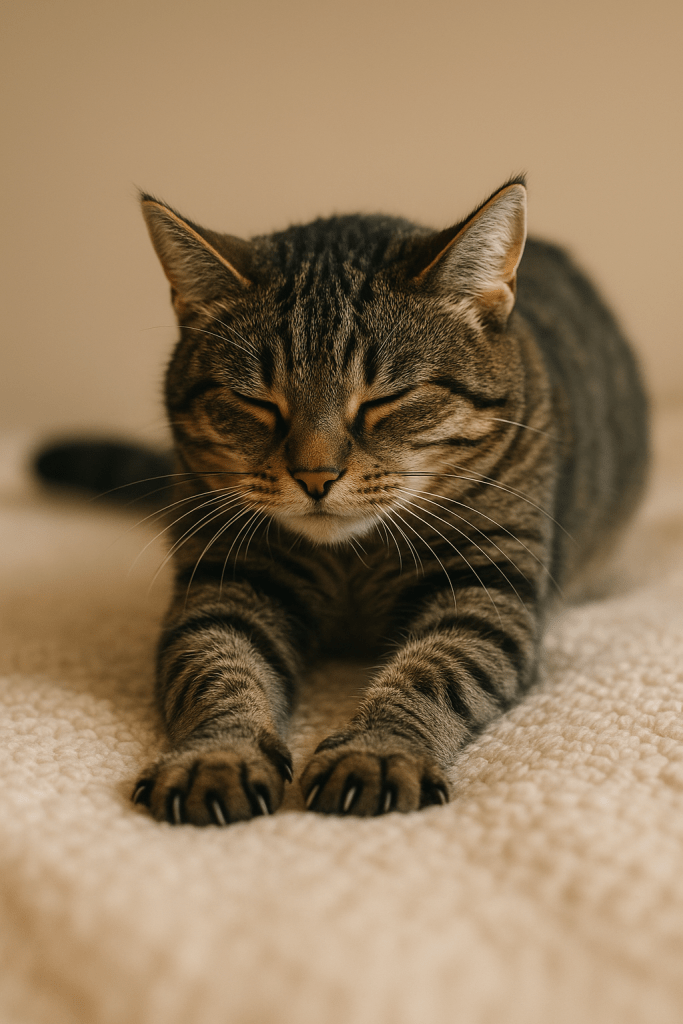
Kneading is when your cat rhythmically pushes their paws—often both—into a soft surface, alternating right and left, opening and closing their claws as if kneading dough or “making biscuits.” This is commonly accompanied by purring and a trance-like look of contentment. The action is most often performed on soft blankets, laps, or cushions .
Why Do Cats Knead? Possible Meanings
- Kittenhood Instinct / Nursing Behavior
As kittens, they knead their mothers to stimulate milk flow. This behavior often carries into adulthood as an instinctual relic . - Comfort & Contentment
Many adult cats knead when they feel relaxed or affectionate. It’s believed to trigger calming neural responses, similar to stretching or other self-soothing behaviors . - Creating a Nesting Spot
In the wild, ancestors trod down grass to create comfortable resting places. Domesticated cats may knead bedding or blankets as a nesting instinct . - Scent Marking / Territory
Cats have scent glands in their paw pads. Kneading helps deposit their scent, marking belongings—or even your lap—as “theirs” . - Stretching / Muscle Activation
Kneading can simply feel good—a form of stretching or muscle stimulation that helps your cat feel limber and relaxed . - Stress Relief or Anxiety
In some cases, excessive kneading may reflect anxiety or a need for comfort, especially around stressful events (e.g., new environment or changes at home) .
What Should You Do?
- Don’t Discipline — Kneading is instinctive and meaningful; punishing it can damage trust.
- Protect Yourself and Furniture — If your cat’s claws are sharp, place a soft blanket between you or trim their nails regularly .
- Provide Comfort Items — A cozy blanket or cat bed can give them a designated kneading spot.
- Offer Distraction if Needed — If kneading becomes excessive or problematic, gently redirect them with a toy or treat .
- Monitor for Stress — If you suspect kneading is stress-induced, observe other behaviors and consider consulting a vet or feline behaviorist.
2. Suckling / Suckling Behavior
What Is It?
Sometimes during or after kneading, cats might suckle—nibbling, licking, or even gently sucking on fabric, your hair, or fingers, often accompanied by purring .
Possible Explanations
- Early Weaning
Cats taken away from their mothers prematurely may retain nursing behaviors, using soft materials or owner contact as a substitute . - Self-Soothing and Comfort
The act can be a calming ritual, akin to a child with a security blanket—offering reassurance through sensory familiarity . - Residual Infant Behavior
Suckling can simply be a carryover from kitten experiences, manifesting as a comforting reflex even in adulthood .
What Should You Do?
- Offer Safe Suckling Alternatives — Provide plush toys or specific soft items for them to knead and suck.
- Gently Discourage When Needed — Instead of scolding, calmly redirect behavior if it becomes problematic—e.g., toward a toy.
- Ensure No Stress or Trauma — If suckling seems compulsive or anxiety-fueled, consider behavioral support or vet consult.
3. Loafing (“Cat Loaf”)
What Is It?
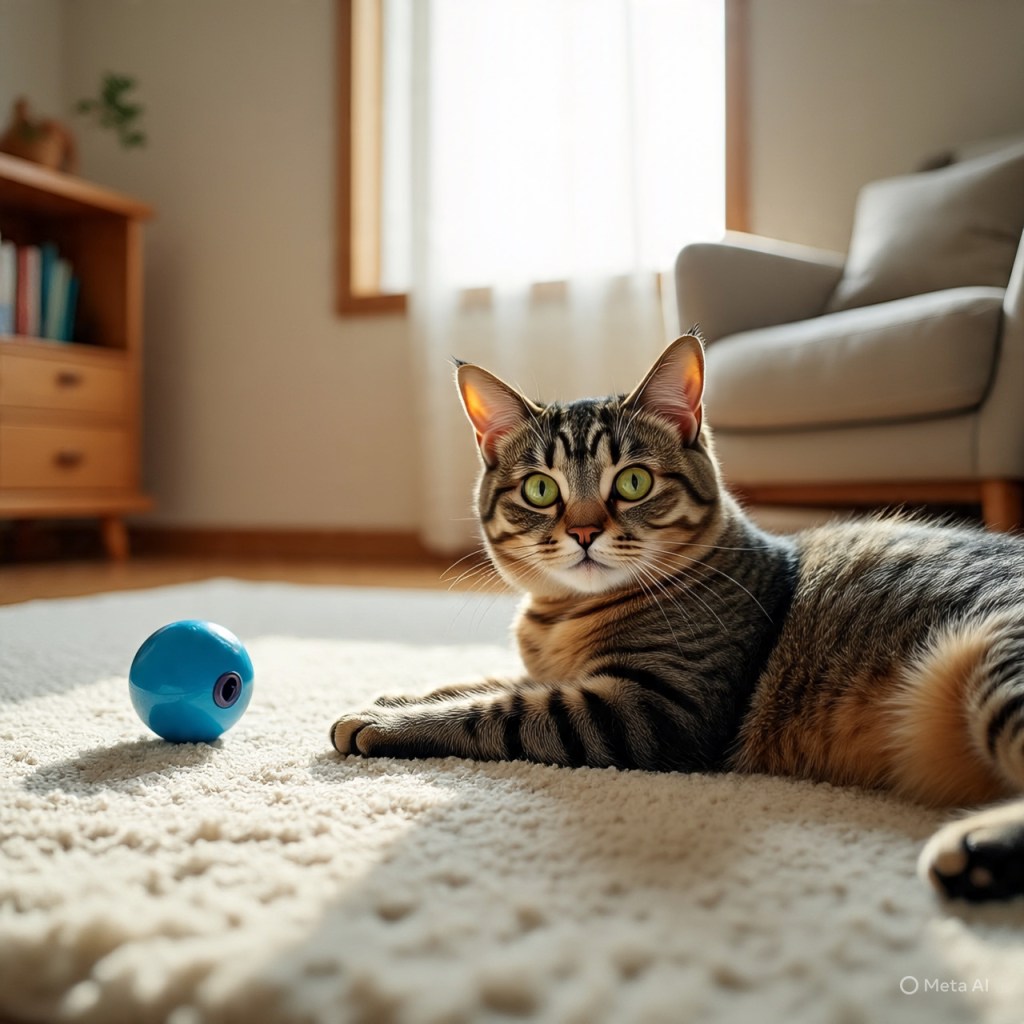
The “cat loaf” is when a cat sits with all four paws—and often the tail—tucked neatly under its body, resembling a loaf of bread .
Interpretations of Loafing Behavior
- Relaxation & Contentment
Most commonly, loafing indicates your cat feels safe and cozy—a relaxed, restful pose that still retains a hint of readiness . - Trust
Choosing to loaf near you or in open areas is a sign of deep trust and comfort with the surroundings . - Heat Conservation
By tucking in their limbs, cats minimize surface area and conserve body heat—particularly helpful in cooler temperatures . - Defensive Readiness
The loaf allows quick movement if needed—useful if cats feel slightly alert or unsure, like at the vet’s office . - Possible Discomfort or Illness
Variants like “meatloaf” (hunched, head down) or prolonged, stiff loafing may signal pain, illness, or distress. Such changes warrant veterinary attention .
What Should You Do?
- If Content and Healthy — Enjoy the moment! Loafing is often just a sign of well-being.
- Watch for Variations — Face-down or hunched loaves, especially with other signs (lethargy, lack of appetite), may need vet evaluation .
- Stay Attentive to Context — Note if loafing occurs more frequently or in unusual spots. Changes in behavior patterns can be telling.
4. Combined Behavior: Knead + Suckle + Loaf
Sometimes you might observe a sequence—or combination—of behaviors:
- Your cat kneads a blanket or your lap, perhaps suckles the fabric, and then settles into a loaf.
- This usually signifies deep comfort, relaxation, and a feeling of safety. It may echo nursing behavior, bonding, and eventual restful repose.
- It’s often a sign of strong trust and contentment with you and the environment.
5. Summary Table: Behavior, Meaning & What to Do
BehaviorMeaning(s)What to DoKneading Comfort, kitten reflex, nesting prep, marking territory, muscle stretch Don’t punish; protect lap; trim nails; provide soft surfaces; distract if excessive; watch stress signs Suckling Weaning relic, self-soothing, comfort behavior Offer plush alternatives; redirect gently; consult vet if behavior is compulsive or stress-induced Loafing Relaxation, trust, heat conservation, defensive readiness, possible discomfort when variant signs Enjoy peaceful loafing; monitor for hunched or prolonged loafing; seek vet advice if paired with illness indicators Combined behaviors Highly content, reminiscent of kitten routines Embrace the bond; ensure materials are safe; use as normalization of trust and comfort
6. Voices from Owners & Reddit
- From a StackExchange thread: “As adults, cats knead when feeling happy or content because it associates the motion with the comforts of nursing… some even suckle on the surface they’re kneading.”
- From reddit r/biology: “Cats knead as a reflex from infancy, where they would knead their mother’s belly to stimulate milk.”
Such perspectives emphasize that these behaviors—to knead, suckle, loaf—are deeply rooted in early development and comfort-seeking instincts.
7. SEO Tips and Linking Strategy
To maximize SEO visibility, consider incorporating keywords like:
- “cat kneading meaning,” “what is cat loaf,” “why do cats knead and suckle,” “cat loaf health sign,” and “cat kneading comfort”
Suggested External & Authority Links:
- Wikipedia on Cat Behavior – provides scientific context on kneading evolution and persistence
- Hill’s Pet Nutrition on Cat Loaf – expert insights on loafing as a sign of relaxation or discomfort
- PetMD on Why Do Cats Loaf? – medically reviewed, with behavioral interpretation
- Purina UK on Why Do Cats Knead – comfort, kittenhood, emotional behavior explained
Conclusion
Cats’ behaviors like kneading, suckling, and loafing are far more than charming idiosyncrasies—they’re rich with meaning. These actions reflect comfort, instinct, emotional security, and sometimes underlying distress.
- Kneading shows trust, comfort, or instinct.
- Suckling reflects self-soothing or residual kitten behavior.
- Loafing typically indicates contentment, trust, and readiness—but can also signal discomfort in certain forms.
By observing these behaviors thoughtfully—and responding with gentle guidance or care—you’re nurturing your cat’s wellbeing and deepening your bond. Don’t forget to share if you find this post useful.




 Fresh Cat News: Trusted Updates for Cat Lovers & Responsible Owners
Do you found this guide useful, please leave a comment.