
Introduction
Owning a cat in the United States isn’t just a personal or emotional choice—it also comes with a web of responsibilities enforced at federal, state, and local levels. From anti-cruelty statutes to pet-friendly housing laws, having a cat involves far more than feeding and petting. This guide dives into the legal landscape, enriched with examples and SEO-friendly structure to elevate discoverability and practical value for readers.
1. Understanding the Legal Framework
1.1 Federal Layer
At the federal level, laws are limited with minimal direct impact on typical cat ownership.
- The Animal Welfare Act of 1966 governs treatment of cats (and other animals) within regulated institutions—like research labs, breeders, and exhibitors—but doesn’t cover normal pet ownership.
- The Fair Housing Act protects tenants with emotional support animals—landlords cannot deny an emotional support cat or impose pet fees, as long as proper documentation is provided.
1.2 State-Level Variances
States hold the most direct authority over pet-related laws. While dog laws dominate, cat-specific regulations do exist in some areas.
- California, Maine, and Rhode Island have the most comprehensive “cat codes.” For example:
- California includes rules about kitten weaning, annual vet checks, and impound holding periods.
- Maine covers vaccination and stray seizure policies.
- Rhode Island requires licensing of cats.
- The majority of states rely mostly on general anti-cruelty statues and rabies vaccination mandates.
1.3 Local Ordinances
Cities and counties often handle cat-related policies: licensing, nuisance control, TNR (Trap-Neuter-Return) regulations, and roaming rules.
- For instance, San Luis Obispo (CA) passed codes requiring microchipping of adult cats, vaccination against rabies for free-roaming unaltered cats, prohibition of feeding animals on others’ property, and waste cleanup responsibilities.
2. Animal Cruelty, Mandatory Vaccinations & Health Codes
Anti-Cruelty Laws
Every U.S. state enforces general animal cruelty statutes. Pet owners must provide adequate food, water, shelter, and veterinary care.
- Most states interpret leaving a cat in extreme weather or shackled outside for too long as neglect, punishable under state cruelty laws.
Rabies & Health Regulations
Rabies shots are nearly universally mandated due to public health imperatives.
- Many locales also require other core vaccines, but these are generally recommendations rather than legal mandates.
3. Licensing and Identification: Is It Required?
The License Debate
Unlike for dogs, cat licensing is rare and often discouraged.
- Rhode Island is an exception—it mandates licensing for cats.
- Licensing laws are considered outdated, expensive, and inefficient—and often lead to increased confiscations and shelter overdoses—per advocacy groups like Alley Cat Allies.
ID Methods
While microchipping isn’t federally regulated, it’s strongly recommended and supported widely—with mounting local code requirements.
- As noted in SLO’s codes, adult cats must often be microchipped under local rules.
4. Spaying/Neutering & TNR (Trap-Neuter-Return)
Spay/Neuter Requirements
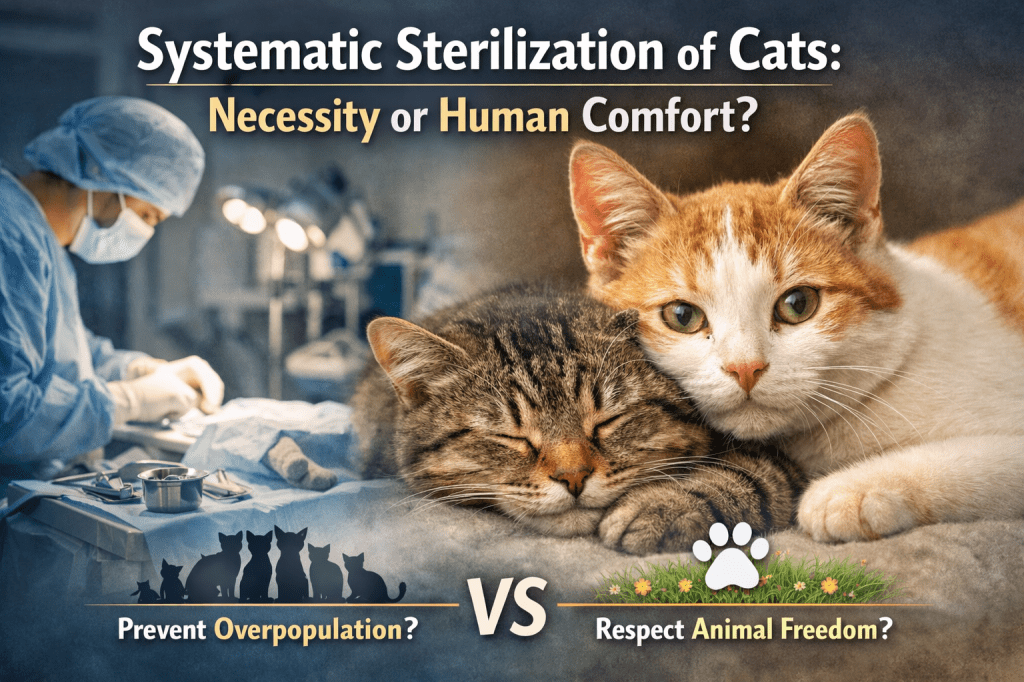
Many shelters require adopted cats to be altered.
- This is a standard measure to curb overpopulation and reduce euthanasia in shelters.
TNR Laws
TNR programs are embraced by some communities but restricted by others.
- In Indiana, caregivers in registered TNR programs providing for free-roaming cats are expected to supply food, shelter, and care, and are protected from abandonment charges.
- However, TNR is illegal in certain states, like Alaska, where releasing cats—even sterilized ones—is prohibited.
5. Landlord Policies & Housing Rights
“No Pets” vs. Service & Emotional Support Cats
Landlords often prohibit pets, but federal law provides important exceptions.
- The Fair Housing Act requires landlords to allow emotional support cats if properly documented, and they cannot charge pet fees.
- Declawing mandates by landlords are banned in some jurisdictions—like California and Rhode Island. New York bans declawing except for medical necessity.
Rental Fees & Deposit Caps
Some states are moving to limit pet-related fees.
- In Colorado, recent legislation caps deposits and prohibits pets from being treated as tenant personal property subject to liens.
6. Liability, Nuisance, and Roaming Cats
Owner Liability
If your cat causes damage—like injuring a person or damaging property—you can be held financially responsible.
Free-Roaming Cats & Nuisance Ordinances
Local governments regulate outdoor behavior of cats to address wildlife impacts or unwanted visitation.
- Some communities prohibit roaming unaltered cats and may fine owners or trap the cats.
Community Complaints
Cats defecating on neighbor property can prompt local enforcement; owners may be fined or sued.
7. Breed-Specific & Exotic Pet Laws — Do They Apply?
While domestic cats are exempt, certain hybrid or exotic breeds may be regulated.
- Breed-specific legislation typically applies to dog breeds.
- Some exotic hybrid cats (e.g., F1 Savannah cats) are restricted or banned in states like Georgia, Hawaii, Nebraska, and Rhode Island unless you hold a permit.
8. Summary & Best Practices for SEO & Readability
Category Legal Obligation / Common Local Rule Federal Laws Fair Housing Act; Animal Welfare Act (federal institutions) State Laws Anti-cruelty, rabies vaccinations; California, Maine, RI have cat-specific codes Local Ordinances Microchipping, stray control, TNR rules, licensing, waste cleanup Housing Emotional support cat protections; limited pet fees; declawing bans Ownership Practices Provide proper care; spay/neuter; avoid roaming; ID your cat; attend to health Exotic Cats Some hybrids restricted or banned by state law
SEO Optimizations Embedded:
- High-volume keywords: “laws for owning a cat in USA,” “cat ownership legal obligations,” “US cat laws.”
- Structured headings (H2/H3 tags) for readability and SEO.
- Internal consistency and varied vocabulary: “domestic cat ownership,” “state laws,” “housing rights,” “TNR programs,” etc.
- Linking to trustworthy sources and including practical tips like TNR, microchipping, and supporting emotional support cat rights.
9. Real-world Examples & Case Scenarios
- Example 1: In San Luis Obispo, CA, an unaltered cat roaming outdoors must be vaccinated and microchipped—failure to comply may result in fine or care mandated.
- Example 2: A renter with an emotional support cat in New York cannot be charged extra pet rent or denied housing—this is your right under federal law.
- Example 3: In Rhode Island, every cat must be licensed with a tag—unique among U.S. states.
- Example 4: An Indiana caregiver running a TNR colony must provide basic care (food, vet care, shelter) and is exempt from abandonment laws as long as part of a registered program.
- Example 5: Declawing mandates by landlords have been banned in California and Rhode Island—tenants cannot be forced to declaw their cat.
10. Final Tips for Cat Owners
- Identify laws in your state or city using ASPCA or municipal websites.
- Ensure vaccinations, especially rabies, are up to date.
- Microchip your cat—even when not legally required, it increases reunification chances.
- Spay or neuter to comply with shelter and community guidelines.
- Support or join TNR programs if you encounter feral cat colonies.
- Know your housing rights—especially regarding emotional support cats.
- Unless you own exotic hybrids, your cat is likely unregulated or covered under general pet laws.
Conclusion
While owning a cat in the U.S. doesn’t involve heavy federal oversight, the patchwork of state and local laws influences everything from health requirements to housing rights. Staying informed and proactive—through microchipping, vaccinations, understanding housing protections, and supporting humane policies—ensures both legal compliance and the well-being of your feline companion.
Please share the post to inform other people.
For more, you can visit :




 Fresh Cat News: Trusted Updates for Cat Lovers & Responsible Owners
Do you found this guide useful, please leave a comment.