
Introduction
Cats are creatures of habit. They love routine, they know when it’s mealtime, and many develop strong preferences for certain flavors, textures, and even food brands. But what if your cat’s diet isn’t giving them the best nutrition? Maybe you want to upgrade to higher-quality food, switch from kibble to wet food, or add variety with fresh, raw, or homemade options.
Changing a cat’s diet can feel overwhelming. How do you make the transition safely? How do you enrich their meals so they get more nutrients and stimulation? And importantly, how long does it actually take for a cat to adapt to a new diet?
In this comprehensive guide, we’ll explore:
- Why changing your cat’s diet may be necessary
- Common mistakes to avoid when switching foods
- Step-by-step methods to improve and enrich feline diets
- Supplements and safe add-ons to consider
- How long it takes for a cat to adjust to new food
- Practical tips for fussy eaters
By the end, you’ll know exactly how to give your cat a healthier, more satisfying diet — without unnecessary stress.
Why Change Your Cat’s Diet?
1. Nutritional Deficiencies in Commercial Foods
Not all cat food is created equal. Some low-cost kibble brands rely heavily on fillers like corn, wheat, and soy, which provide little nutritional value for obligate carnivores. Cats thrive on protein-rich, meat-based diets, and deficiencies can lead to weight gain, lethargy, or long-term health issues like kidney disease.
2. Weight Management
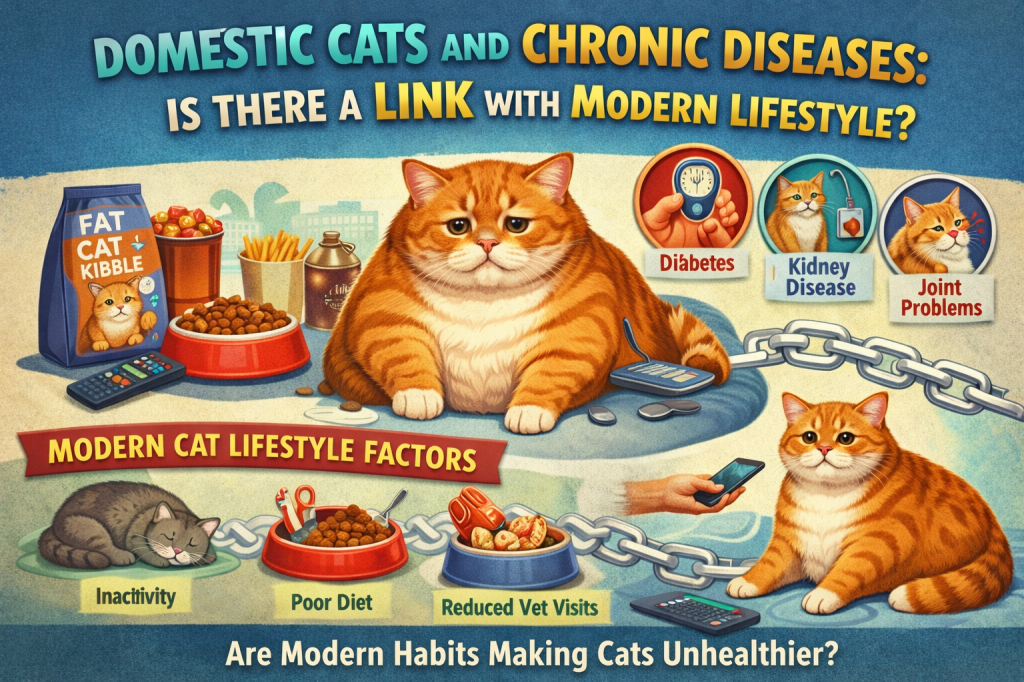
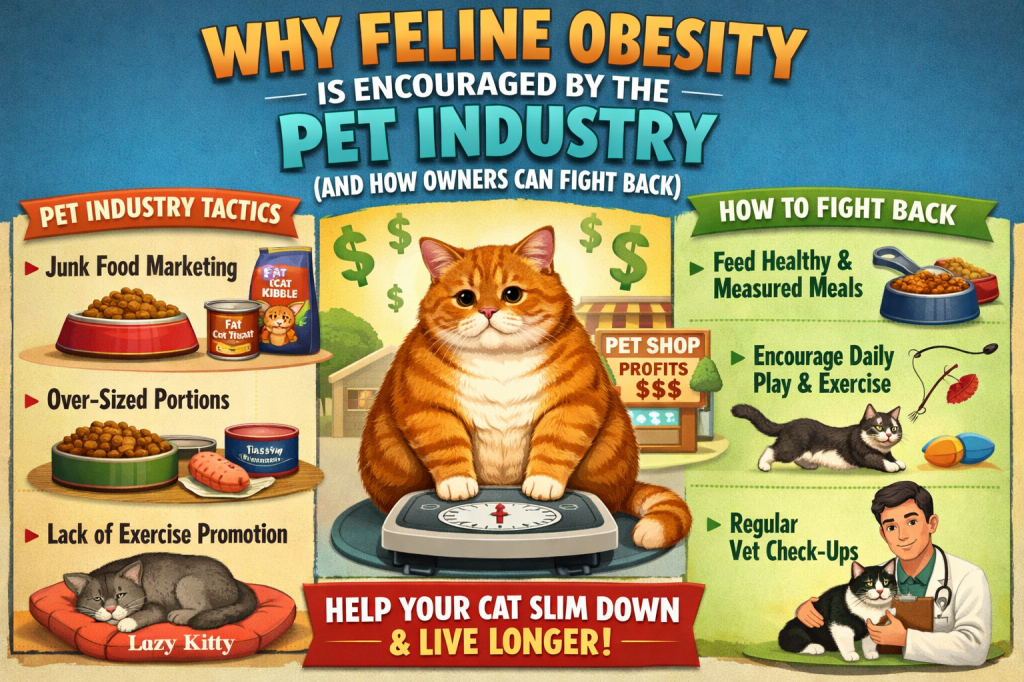
Obesity in cats is a growing concern worldwide. According to the Association for Pet Obesity Prevention, over 60% of cats are overweight or obese. Switching to a healthier, portion-controlled, and protein-focused diet can help manage weight.
3. Special Health Needs
A vet may recommend a dietary change if your cat has conditions such as:
- Urinary tract issues (benefit from wet food with more moisture)
- Kidney disease (requires lower phosphorus diets)
- Food allergies or sensitivities (hypoallergenic diets)
- Diabetes (high-protein, low-carb diets)
4. Enrichment and Mental Stimulation
Cats benefit not just from balanced nutrition, but also from variety and enrichment in their meals. Offering different textures, rotating protein sources, and adding interactive feeding methods keep their instincts sharp and their meals exciting.
Common Mistakes When Changing a Cat’s Diet
Switching too quickly or without preparation often leads to problems. Some mistakes to avoid:
- Abrupt Transition – Changing food overnight can cause digestive upset: vomiting, diarrhea, or refusal to eat.
- Ignoring Portion Sizes – Even with healthy food, overfeeding leads to weight gain.
- Offering Unsafe Human Foods – Onions, garlic, chocolate, grapes, and dairy are toxic for cats.
- Not Consulting a Vet – Cats with medical issues may require tailored nutrition plans.
- Failing to Monitor – Cats need gradual observation: check stool quality, appetite, coat condition, and energy levels.
How to Safely Change Your Cat’s Diet
Step 1: Choose the Right Food
Consider your cat’s age, lifestyle, and health:
- Kittens → High-protein, calorie-rich food for growth
- Adults → Balanced protein, moderate fat, controlled portions
- Seniors → Easily digestible proteins, joint-support supplements
Research brands with high meat content and minimal fillers. Wet food is generally better for hydration, while dry food can help with convenience and dental support (though brushing is best for teeth).
Step 2: Transition Gradually
A safe switch takes 7–14 days:
- Days 1–3 → 25% new food, 75% old food
- Days 4–6 → 50% new food, 50% old food
- Days 7–9 → 75% new food, 25% old food
- Day 10+ → 100% new food
Some cats take longer (up to 3–4 weeks), especially picky eaters.
Step 3: Monitor and Adjust
Watch for:
- Stool changes (diarrhea, constipation)
- Vomiting or gas
- Loss of appetite
- Energy and mood changes
If severe symptoms occur, slow down the transition or consult your vet.
How to Enrich and Improve Your Cat’s Diet
Beyond the basic switch, there are many ways to upgrade and enrich meals.
1. Add Wet Food for Hydration
Cats have a low thirst drive. Wet food helps prevent urinary and kidney issues. Ideally, include at least 50% wet food in their diet.
2. Rotate Proteins
Switch between chicken, turkey, beef, salmon, or rabbit. This prevents boredom and ensures varied nutrient intake.
3. Consider Raw or Homemade Diets
Some owners prefer raw or home-cooked diets for freshness. If you go this route:
- Work with a vet nutritionist to ensure balance
- Avoid harmful bacteria (proper storage and hygiene are critical)
- Include supplements like taurine, calcium, and omega-3s
4. Healthy Additions and Toppers
Safe food enhancers include:
- Cooked eggs (scrambled, no seasoning)
- Sardines or salmon (in water, no salt or oil)
- Pumpkin purée (aids digestion)
- Cat grass (fiber and natural enrichment)
5. Supplements for Cats
Not all cats need supplements, but some benefit from:
- Omega-3 fatty acids → shiny coat, reduced inflammation
- Probiotics → gut health and digestion
- Glucosamine & chondroitin → joint support for seniors
- Taurine → essential amino acid for heart and vision health
Always consult your vet before adding supplements.
6. Food Puzzles and Interactive Feeding
Meal enrichment isn’t just about nutrients — it’s about engaging hunting instincts. Use:
- Puzzle feeders
- Slow-feeding bowls
- Treat-dispensing toys
This prevents overeating, slows down fast eaters, and provides mental stimulation.
How Long Does It Take to Improve a Cat’s Diet?
The timeline depends on the goal:
- Basic transition to new food → 1–2 weeks
- Introducing wet food to kibble addicts → 3–6 weeks (slow progress)
- Weight loss results → noticeable in 1–3 months
- Coat and energy improvements → within 4–8 weeks
- Managing medical conditions → varies, but many cats show improvement in 1–2 months with the right diet
Patience is key. Cats often resist change, but consistency pays off.
Special Tips for Picky Eaters
- Warm up wet food slightly → enhances aroma
- Add a topper (like tuna water or broth — no onions/garlic)
- Try different textures (pâté, shredded, chunks)
- Serve smaller, more frequent meals
- Don’t give too many treats — it can reduce appetite for main meals
FAQs on Changing and Improving Cat Diets
Q1. Can I feed my cat a vegetarian or vegan diet?
No. Cats are obligate carnivores. They need taurine and other nutrients only found in animal products.
Q2. How do I know if the new diet is working?
Signs include more energy, shinier coat, healthier stools, stable weight, and overall improved mood.
Q3. What if my cat refuses all new food?
Slow the transition, use toppers, or consult your vet for alternative brands or therapeutic diets.
Q4. Can I mix dry and wet food?
Yes, combining both offers hydration, variety, and convenience.
Q5. Do indoor cats need different diets than outdoor cats?
Yes. Indoor cats often need lower-calorie, high-fiber diets to prevent weight gain. Outdoor cats may need higher calories for energy.
Conclusion
Improving your cat’s diet is one of the most impactful steps you can take for their long-term health and happiness. Whether you’re switching from kibble to wet food, adding enrichment with fresh ingredients, or managing a health condition with specialized diets, patience and consistency are essential.
On average, it takes 1–2 weeks to transition food, and a few months to see full benefits in coat, energy, and weight. By avoiding common mistakes, gradually introducing changes, and enriching meals with safe, nutritious additions, you’ll help your cat thrive for years to come.
✅ Pro Tip: Always work with your veterinarian before making major dietary changes — especially if your cat has underlying health issues.




 Fresh Cat News: Trusted Updates for Cat Lovers & Responsible Owners
Do you found this guide useful, please leave a comment.