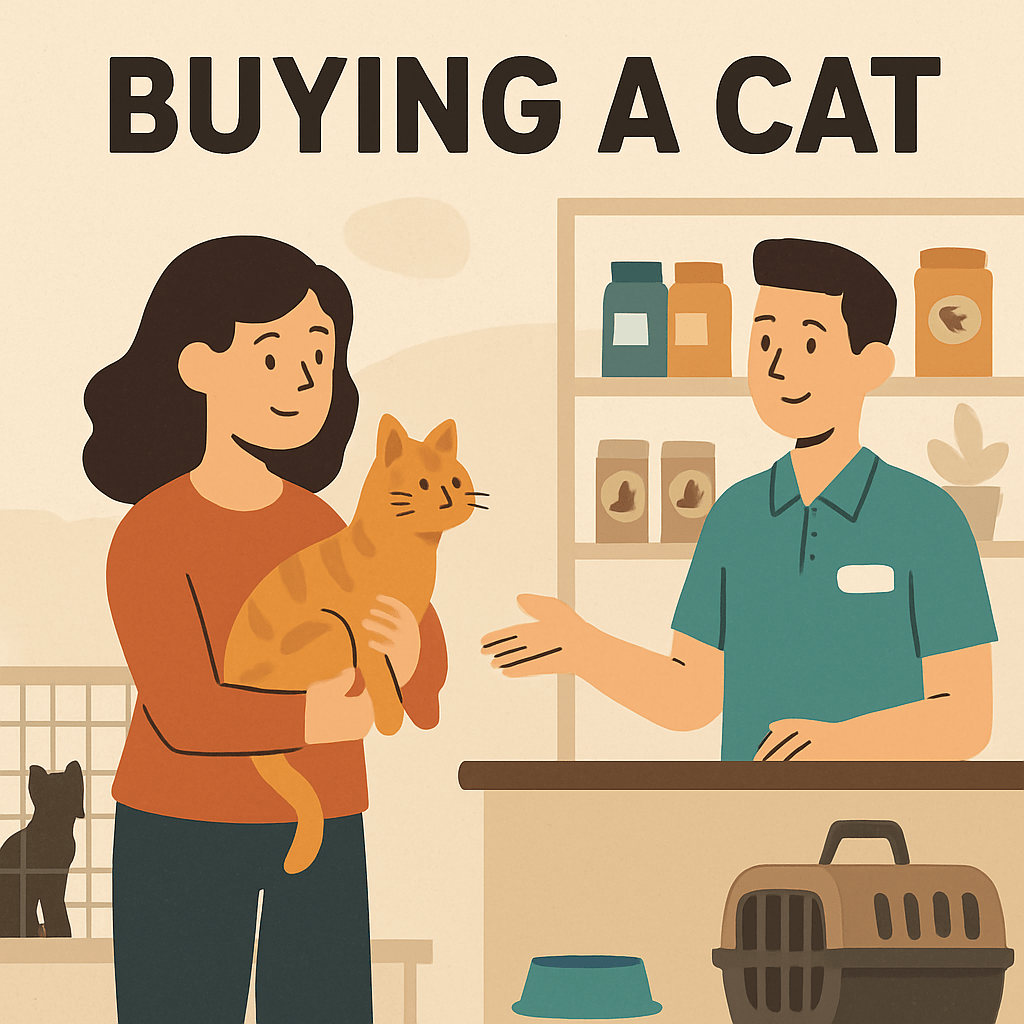
Explore the financial, ethical, and environmental reasons why not owning a cat might be the most responsible choice for many individuals.
Owning a cat is often portrayed as a fulfilling and harmless decision. From Instagram videos of cuddly kittens to purring companions curled on laps, the joys of feline companionship are widely celebrated. However, behind this appealing façade lies a complex web of hidden costs and ethical dilemmas. While cats can offer comfort and love, not everyone should adopt one—and in some cases, choosing not to may be the most responsible and compassionate decision.
In this article, we’ll dive deep into the true responsibilities of cat ownership, examine the impact on animals, ecosystems, and communities, and explore why refraining from getting a cat can be a rational, ethical, and eco-conscious choice.
1. The Financial Costs of Cat Ownership
When people consider adopting a cat, they often underestimate the long-term financial burden. While the initial adoption fee might seem low—ranging from $50 to $200—this barely scratches the surface.
a. Initial Setup Costs
- Litter box and scoop: $30–$50
- Carrier: $30–$100
- Scratching post or cat tree: $50–$200
- Food and water bowls: $10–$30
- Toys and grooming tools: $20–$50
b. Ongoing Expenses
- High-quality food: $20–$50 per month
- Cat litter: $15–$40 per month
- Flea and tick prevention: $10–$30 per month
- Annual vet check-ups: $100–$300
- Emergency vet visits: $500–$2,000 (unexpected, but common)
Over a 15-year lifespan, owning a cat can cost between $10,000 and $25,000. For many individuals and families already struggling financially, this burden can lead to neglected care, rehoming, or abandonment—situations that are harmful to the animal and distressing for the owner.
2. Environmental Impact of Domestic Cats
Cats, though domesticated, retain strong hunting instincts. This makes them a serious environmental threat, particularly to bird populations and small mammals.
a. Predation and Biodiversity Loss
In many regions, outdoor cats are one of the top threats to native wildlife. According to studies:
- Cats kill an estimated 2.4 billion birds and 12.3 billion mammals each year in the U.S. alone.
- Island ecosystems are especially vulnerable, where cats have driven some species to extinction.
b. Ecological Imbalance
Cats are non-native predators. Allowing them to roam outdoors can destabilize local ecosystems, reduce biodiversity, and contribute to the decline of species that play vital roles in insect control, pollination, and seed dispersal.
For ecologically-minded individuals, choosing not to adopt a cat—or committing to keeping a cat strictly indoors—may align better with conservation values.
3. Feral Cats and Overpopulation
Pet overpopulation remains a significant animal welfare issue. Each year:
- Millions of kittens are born unwanted or unplanned.
- Roughly 3.2 million cats enter U.S. shelters, and 850,000 are euthanized.
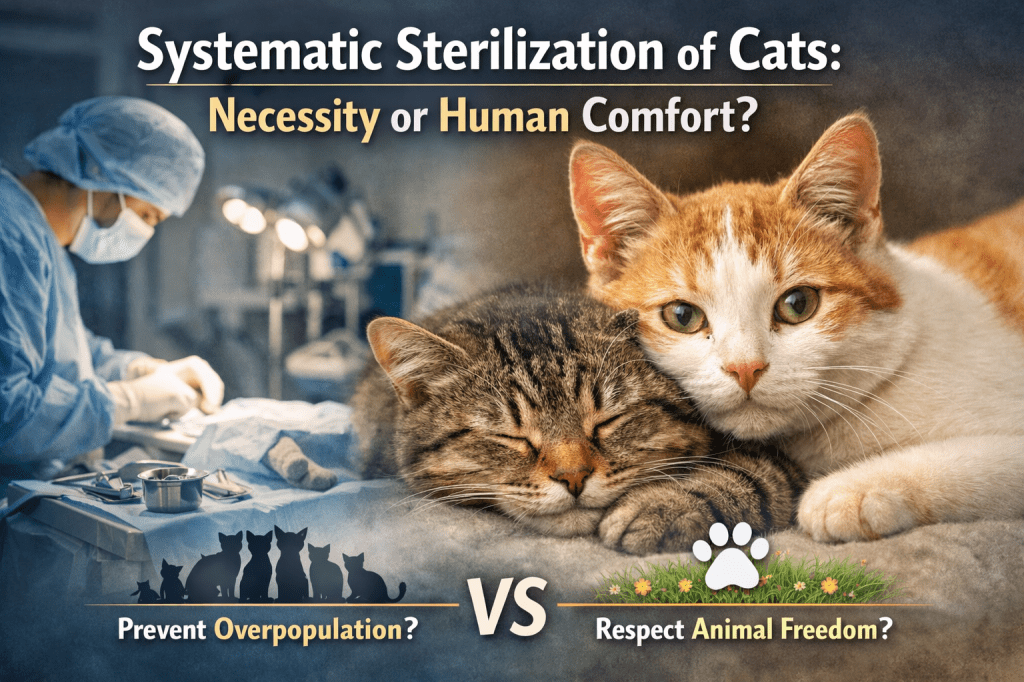
Many pet owners fail to spay or neuter their cats, leading to exponential reproduction. Irresponsible ownership and abandonment have also led to the rise of feral cat colonies, which suffer from disease, starvation, and violence.
By choosing not to adopt a cat—especially without proper resources and commitment—you help avoid contributing to overpopulation, abandonment, and shelter crowding.
4. Cats and Human Health Concerns
Though cats can be comforting, they also pose potential health risks, particularly to certain groups.
a. Zoonotic Diseases
Cats can carry diseases that transfer to humans, including:
- Toxoplasmosis (especially dangerous for pregnant women)
- Ringworm
- Cat Scratch Disease
- Fleas and ticks (which can carry Lyme disease or Bartonella)
b. Allergies
Up to 15% of the population has a cat allergy. Living with a cat can cause chronic discomfort, respiratory issues, and worsen asthma in children.
c. Mental Health Trade-offs
While some people benefit emotionally from pet companionship, others might experience guilt, financial anxiety, or added stress due to the responsibility and care involved.
Choosing not to own a cat—especially if you or household members have sensitivities or mental health challenges—can contribute to a healthier and more manageable lifestyle.
5. The Ethical Dilemma of Domestication and Confinement
Keeping cats as pets inherently involves limiting their natural behaviors, which raises ethical concerns.
a. Indoor Cats: Boredom and Behavioral Issues
To protect wildlife and the cat itself, many owners keep their pets indoors. However, indoor confinement can cause:
- Stress and anxiety
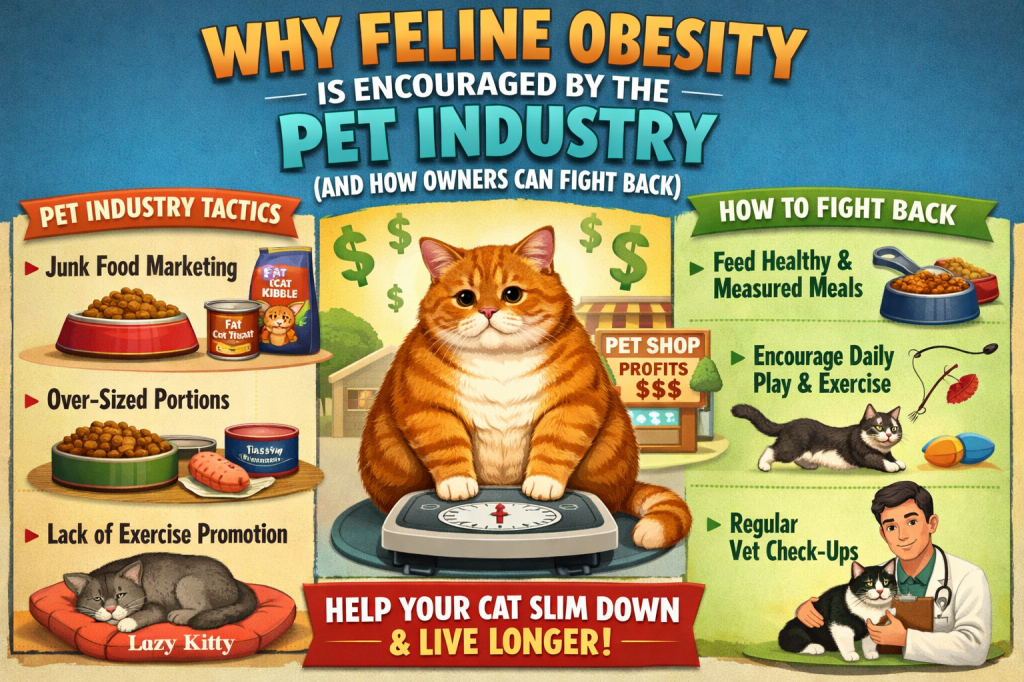
- Obesity due to inactivity
- Destructive behaviors like scratching furniture or excessive vocalizing
Despite toys and enrichment, some cats become depressed or aggressive due to a lack of mental stimulation and natural freedom.
b. Breeding and Adoption Ethics
Many cats in pet stores or from breeders are bred for aesthetics—not health. This has led to:
- Inbreeding and genetic disorders
- A preference for certain “cute” breeds over shelter cats in need
Refusing to support unethical breeding or impulse adoptions by not adopting a cat at all can be a form of silent activism for animal welfare.
6. Time, Lifestyle, and Responsibility
Cats are often thought of as “low-maintenance” pets, but this is a misconception.
a. Time and Commitment
Daily feeding, litter box cleaning, play, grooming, and vet appointments require significant effort. Travel becomes complicated, and cat sitters or boarding can be expensive and stressful for the animal.
b. Life Changes
Many owners fail to plan for:
- Moves to non-pet-friendly housing
- Life events like marriage, children, or career changes
- Financial downturns
In these cases, cats are often neglected, rehomed, or abandoned—leading to trauma for the animal and guilt for the human.
7. The Psychological Burden of Pet Ownership
While the bond with a cat can be fulfilling, it can also be emotionally complex.
a. End-of-Life Care
Deciding when and how to euthanize a terminally ill pet is agonizing. The process of watching a beloved cat decline can lead to prolonged grief and mental strain.
b. Guilt and Regret
Some owners experience buyer’s remorse—especially if their pet becomes ill, destructive, or aggressive. The guilt of not being able to meet their cat’s needs can take a significant emotional toll.
Recognizing your own limits before getting a pet—and opting not to proceed—can save both you and the animal from unnecessary pain.
8. Cultural and Regional Realities
Not every environment is suitable for cat ownership.
- Urban settings may expose cats to traffic, noise, and predators.
- Rural areas may lack veterinary services or face stricter rules on outdoor cats.
- Apartment living can lead to noise complaints, allergies among neighbors, or isolation for the animal.
In such contexts, deciding not to adopt a cat is often more responsible than trying to force compatibility.
9. Alternatives to Cat Ownership
If you love cats but are unsure about full-time responsibility, there are alternative ways to help animals without becoming an owner.
a. Foster Cats Temporarily
Fostering helps shelters by freeing up space and socializing cats. It’s short-term and flexible, without a lifelong commitment.
b. Support Animal Charities
Donate to cat shelters, spay/neuter programs, or rescue groups. Your financial support can have a greater impact than individual ownership.
c. Volunteer at a Shelter
Spend time with cats in need without bringing one home. Shelters are always looking for help with cleaning, feeding, and socialization.
d. Educate Others
Spread awareness about responsible ownership, overpopulation, and environmental concerns.
Conclusion: When Compassion Means Saying No
Saying “no” to owning a cat doesn’t make you heartless. On the contrary, it may be the most compassionate, thoughtful, and environmentally responsible choice.
If your lifestyle, finances, or values don’t align with the long-term demands of cat ownership, walking away is a form of maturity and empathy. It prevents harm, reduces suffering, and allows you to support animal welfare in other powerful ways.
Owning a cat should never be about impulse or aesthetics. It’s a decision that must be made with full awareness of the invisible strings attached. Sometimes, the kindest action you can take—for yourself, the cat, and the planet—is to not adopt at all.



 Fresh Cat News: Trusted Updates for Cat Lovers & Responsible Owners
Do you found this guide useful, please leave a comment.