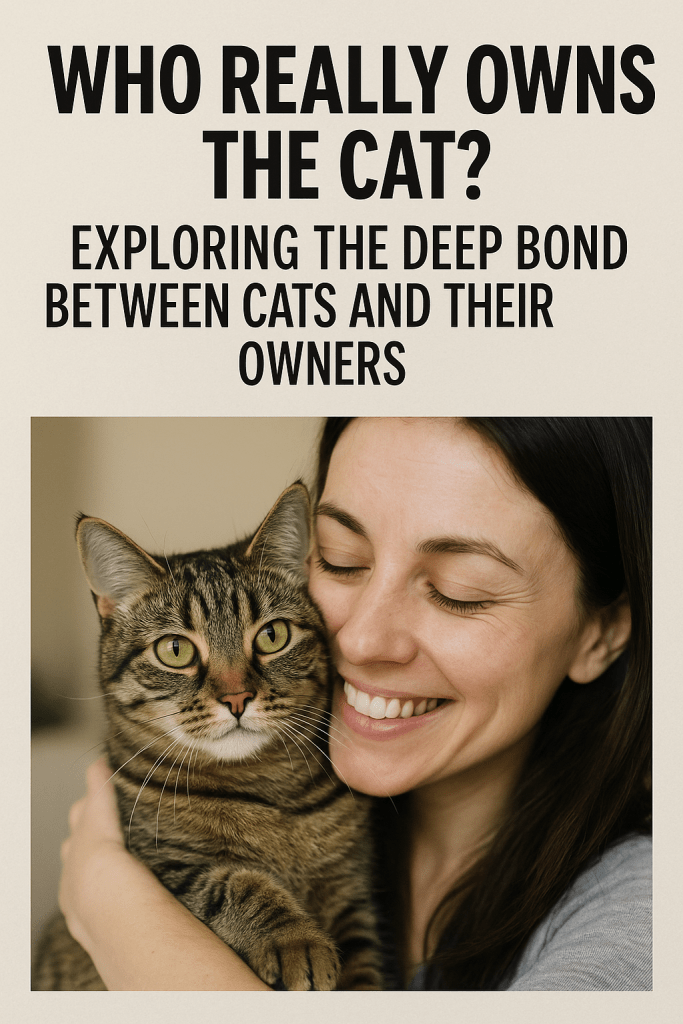
Cats have long held a special place in our hearts and homes. Mysterious, elegant, and fiercely independent, they manage to charm us with a flick of the tail or a soft purr. But when it comes to the question “Who owns the cat?”, the answer may be more complex than you think. In this post, we’ll explore the legal, emotional, and cultural dynamics of cat ownership — from wearing matching outfits and pajamas with your cat to understanding how protective they really are and how many cats you can legally own.
Who Owns the Cat? The Legal and Emotional Answer
Legal Ownership
In the eyes of the law, a cat’s owner is typically the person who pays for its care: food, medical expenses, and housing. Ownership may also be documented through adoption papers, microchipping, and vet records. But what happens in cases of shared custody, neighborhood cats, or disputes? Courts may consider the following:
- Who pays the bills?
- Whose name is on the microchip or vet records?
- Who provides the majority of the care?
In some regions, the law may allow individuals to “claim” a stray after a period of providing shelter and food. But even then, ownership can become murky.
Emotional Ownership
While legally you may own your cat, emotionally, the story is often reversed. Any cat owner knows this truth: You don’t own a cat — the cat owns you. Their independent nature means they choose when to show affection, when to be close, and when to retreat. Many cat lovers describe their relationship with their feline friend as more of a mutual partnership than ownership.
Are Cats Protective of Their Owners?
One common myth is that cats are aloof and selfish. But anyone who has lived with a cat knows that they can be incredibly protective, especially when it comes to their territory and humans.
Signs That Cats Are Protective
- Staying close when you’re sick or upset
Many cats exhibit nurturing behavior by cuddling or watching over their owner when they’re feeling unwell. - Positioning themselves between you and a perceived threat
Cats might hiss, puff up, or swat at people or other pets they see as intruders. - Vocalizing or alerting behavior
Some cats will meow loudly or run to their owners when something is wrong, like a stranger at the door or another animal approaching. - Following you from room to room
This isn’t just curiosity. Some cats are ensuring you’re safe.
Although they may not act like guard dogs, cats do have a deep sense of loyalty and attachment. Certain breeds like the Maine Coon, Siamese, and Ragdoll are particularly known for their protective and affectionate nature.
Matching with Your Cat: The Trend of Cat and Owner Matching Outfits
A Fun Way to Bond
Dressing up with your cat is more than just a fashion statement — it’s a growing trend among pet lovers who want to celebrate the unique bond they share. Social media is filled with images of cat and owner matching outfits, drawing thousands of likes and shares.
Popular Matching Outfit Ideas
- T-shirts with the same design (like “Cat Mom” and “Fur Baby”)
- Holiday costumes (think Santa and Santa Claws)
- Custom-printed hoodies with matching colors
- Seasonal sweaters for winter and fall photo shoots
Matching outfits create adorable photo opportunities, and many brands now cater specifically to pet-human fashion pairs. Just be sure your cat is comfortable and not stressed by clothing — some cats tolerate clothes well, others do not.
Cozy Companions: Cat and Owner Matching Pajamas
For those who love snuggling with their cat, cat and owner matching pajamas are the ultimate in comfort and cuteness.
Why Get Matching Pajamas?
- Adorable family photos
- Special occasions like holidays or birthdays
- Boosts bonding and routines — cats enjoy routine, and bedtime snuggles in matching PJs can become a comforting ritual.
- Great for social media and pet influencers
Popular pajama designs often include paw prints, cartoon cats, or seasonal themes. Soft fabrics like cotton or fleece are ideal — for both you and your feline.
Tips for Pajama Matching
- Choose breathable, soft materials
- Ensure the cat pajama is easy to remove
- Avoid anything restrictive around the neck or legs
- Reward your cat with treats if they wear their outfit calmly
Remember, not all cats will appreciate being dressed. Try small accessories first before going full pajama party.
How Many Cats Can You Legally Own?
If you’re a certified cat lover, it’s easy to see how one cat could turn into three… or six. But how many cats is too many? And how many cats can you legally own?
Legal Limits on Cat Ownership
Laws vary by country, state, and city. Here are a few general examples:
- United States: Many cities and counties have laws capping pet ownership — typically 3 to 5 cats per household.
- Canada: Some municipalities limit cats to 2 or 3 per dwelling.
- United Kingdom: No official cap, but if overcrowding or neglect occurs, authorities can intervene.
- Australia: Limits vary by council, with many regions requiring permits for more than 2-3 cats.
These regulations are often based on concerns for animal welfare, sanitation, and noise. Having multiple cats isn’t illegal — but ensuring they are well-cared-for, healthy, and not disturbing neighbors is crucial.
Factors That Influence Legal Cat Ownership
- Size of the living space
- Zoning laws (urban vs. rural)
- Access to outdoor space
- Local bylaws or HOA regulations
When Too Many Cats Becomes a Problem
If you’re considering more cats, think about:
- Vet costs
- Food expenses
- Time needed to clean and care for multiple litter boxes
- Risk of overcrowding, stress, and territorial disputes
Responsible multi-cat ownership means planning, budgeting, and understanding each cat’s individual needs.
Strengthening the Cat-Owner Bond: Final Thoughts
Cats may be independent, but they’re also deeply emotional animals. They bond with their humans, protect them in subtle ways, and bring joy, comfort, and companionship. Whether you’re coordinating matching pajamas, dressing up for holidays, or wondering if you own your cat — or if they own you — remember:
What Makes the Cat-Owner Relationship Special?
- Mutual respect: Unlike dogs, cats often demand to be treated as equals.
- Affection on their terms: Their love isn’t loud — it’s quiet, comforting, and genuine.
- Everyday rituals: Feeding time, cuddles, evening play — all strengthen the connection.
- Expression of care through small gestures: Purring, rubbing, slow blinking.
Quick Recap and FAQ
Do cats really love their owners?
Yes, many cats form strong attachments to their humans. Studies show cats recognize their owner’s voice and scent and may become anxious when separated.
Can cats wear clothes comfortably?
Some cats tolerate clothes, especially when introduced gradually. Always prioritize comfort and never force a cat to wear an outfit.
What’s the best way to take photos in matching outfits?
Use natural lighting, treats, and quiet environments. Cats do best when relaxed. Short sessions and play afterward help them associate photos with fun.
Is it safe to own 6+ cats?
It depends on your living space, budget, and ability to care for them. Many rescue workers or breeders responsibly care for multiple cats. However, neglect or unsanitary conditions may attract legal attention.
Are there any health risks with too many cats?
Yes. Higher chances of spreading diseases like feline herpesvirus, parasites, and stress-induced behavior problems. Regular vet care is essential.
Conclusion
Cat ownership goes far beyond legal documents. It’s a shared journey, full of purring companions, silly matching pajamas, and deep emotional ties. Whether you have one cat or five, the key to a happy home lies in respecting your cat’s individuality, providing proper care, and celebrating the special bond you share.
So, the next time someone asks, “Who owns the cat?”, you might smile and say, “It’s mutual — we belong to each other.”




 Fresh Cat News: Trusted Updates for Cat Lovers & Responsible Owners
Do you found this guide useful, please leave a comment.