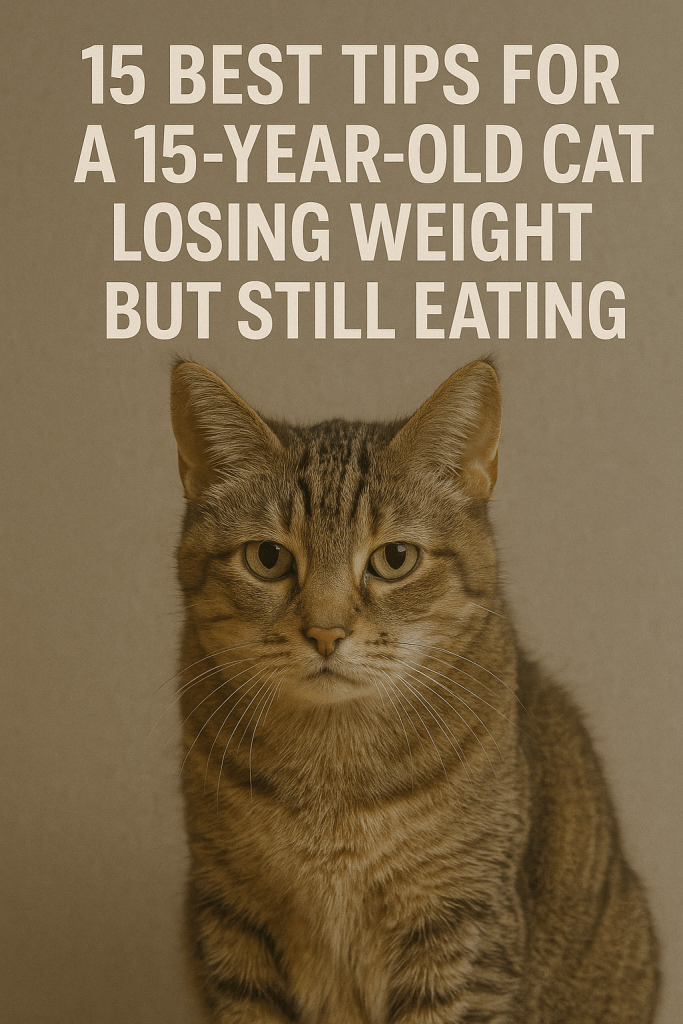
When your beloved 15-year-old cat begins to lose weight despite maintaining a healthy appetite, it can be both puzzling and concerning. At this age, cats are considered seniors, and any sudden or gradual weight loss should never be ignored—even if they’re still eating well. This phenomenon often points to underlying health issues that need attention.
In this comprehensive guide, we’ll cover 15 of the best expert-backed tips to help you understand, manage, and support your senior feline if they’re losing weight but still eating.
1. Schedule a Comprehensive Vet Checkup
First and foremost, consult your veterinarian. A 15-year-old cat should have regular senior wellness exams. Weight loss despite eating can signal conditions such as:
- Hyperthyroidism
- Diabetes mellitus
- Kidney disease
- Intestinal parasites
- Cancer
Your vet will likely recommend blood work, urinalysis, and possibly imaging to pinpoint the root cause.
2-hyperthyroidism
One of the most common causes of weight loss in older cats is hyperthyroidism, a condition where the thyroid gland overproduces hormones. Cats with this issue often:
- Eat more than usual
- Lose weight
- Have increased energy or restlessness
Treatment options include medication (methimazole), radioactive iodine therapy, or surgery.
3. Evaluate Kidney Function
Chronic kidney disease (CKD) affects nearly 30-50% of cats over age 15. While it may not impact appetite in early stages, weight loss is a key symptom. Your vet can test for elevated creatinine and BUN levels, indicating impaired kidney function.
Tip: Feeding a renal diet (low in phosphorus and protein) can slow disease progression.
4. Rule Out Diabetes Mellitus
Some diabetic cats maintain or increase their appetite while losing weight. Look for signs such as:
- Increased thirst
- Frequent urination
- Lethargy
- Sweet-smelling breath
Insulin therapy and diet changes can manage the condition effectively.
5. Address Digestive Malabsorption
In some cases, your cat may be eating but not absorbing nutrients properly. This may result from:
- Inflammatory bowel disease (IBD)
- Pancreatic insufficiency
- Parasites
Treating the underlying gastrointestinal issue often restores weight.
6. Switch to a High-Calorie Senior Cat Food
Senior cats often benefit from energy-dense, nutrient-rich foods that are easier to digest. Look for formulas labeled:
- “High-calorie” or “Calorie-dense”
- With added omega-3s and antioxidants
- Fortified with taurine and vitamin B12
Brands like Hill’s Prescription Diet a/d or Royal Canin Aging 12+ can be helpful.
7. Feed Smaller, More Frequent Meals
Older cats may tire more easily or lose interest during longer meals. To help:
- Offer 4–6 smaller meals a day
- Use shallow, wide bowls for easier access
- Create a consistent feeding routine
This can encourage better nutrient intake throughout the day.
8. Warm Up the Food
Warm, aromatic meals are more appealing to senior cats, especially if they have declining senses. Gently heating canned food (never dry) can:
- Release enticing aromas
- Make food more digestible
- Stimulate appetite
Microwave food for 5–10 seconds, testing temperature before serving.
9. Incorporate Toppers and Broths
Add irresistible toppers to your cat’s regular meals to boost palatability and calories. Safe toppers include:
- Tuna flakes (in water)
- Bonito flakes
- Commercial cat broths
- Puréed meats (unseasoned)
Avoid garlic, onion, and excessive salt.
10. Support Joint Health
Cats with arthritis may struggle to reach food or grooming spots, affecting health and weight. Provide:
- Elevated food dishes
- Soft bedding
- Easy access to food and litter boxes
Glucosamine and chondroitin supplements can also help.
11. Monitor for Dental Problems
Dental pain can lead to less efficient eating, even if your cat still approaches food. Signs of dental disease include:
- Drooling
- Pawing at the mouth
- Bad breath
- Preference for soft food
Regular cleanings and possibly dental surgery may be required.
12. Test for Intestinal Parasites
Even indoor cats can harbor worms or parasites that prevent nutrient absorption. Your vet can run a fecal exam. If present, a round of deworming may help restore weight.
Tip: Maintain regular parasite prevention even in old age.
13. Offer Nutritional Supplements
Certain supplements can help older cats maintain or gain weight:
- Vitamin B12: Improves digestion and appetite
- Fish oil (omega-3s): Supports weight, coat, and inflammation
- Probiotics: Boost gut flora and nutrient absorption
Consult your vet before introducing supplements.
14. Watch for Cancer Warning Signs
Unfortunately, unexplained weight loss is also a red flag for certain cancers such as lymphoma. Keep an eye out for:
- Lumps or swellings
- Difficulty breathing
- Chronic vomiting or diarrhea
- Muscle wasting
Early detection through imaging and biopsies is key to possible treatment.
15. Provide a Stress-Free Environment
Senior cats are highly sensitive to change. Stress can suppress digestion, cause muscle breakdown, and reduce nutrient use. Ensure your cat has:
- Quiet, cozy hiding spots
- Minimal disruptions (avoid new pets, loud noises)
- Routine interactions and affection
Reducing stress can help weight and health stabilize.
Bonus: Track Weight Weekly
Use a baby scale or bathroom scale to weigh your cat weekly at the same time each day. Record these values to share with your vet. Even small losses over time are significant in older cats.
Final Thoughts
A 15-year-old cat losing weight while still eating should not be dismissed. While aging naturally causes some metabolic slowdown and lean muscle loss, significant or steady weight reduction usually indicates an underlying issue.
With the right combination of veterinary care, dietary support, and environmental adjustments, many older cats can maintain a good quality of life—and sometimes even regain weight.
Always partner with your veterinarian before making changes to your cat’s treatment or diet. Every senior cat is unique, and your loving attention could make all the difference in their golden years.
You have liked this post, please share it…



 Fresh Cat News: Trusted Updates for Cat Lovers & Responsible Owners
Do you found this guide useful, please leave a comment.