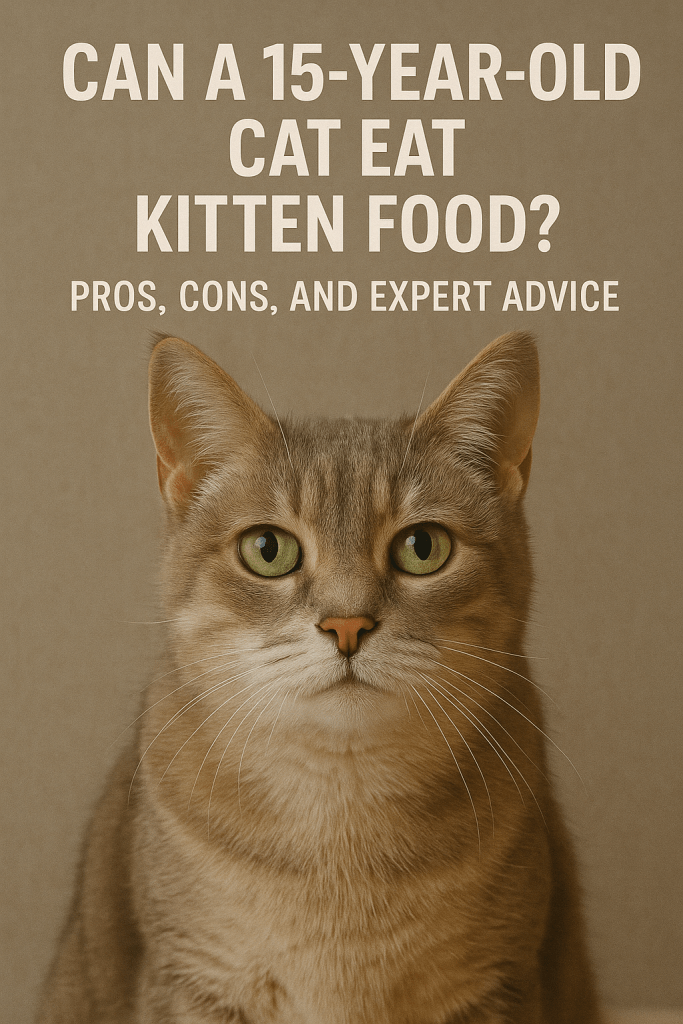
As your cat reaches the remarkable milestone of 15 years, their health and nutritional needs become more important than ever. Senior cats often face challenges like weight loss, decreased muscle mass, reduced appetite, and underlying medical conditions. If your aging feline seems frail or is losing weight, you may wonder: Can a 15-year-old cat eat kitten food?
The short answer is yes, but with caution and under veterinary guidance. Let’s explore when it’s safe, when it’s not, and what you should consider before feeding kitten food to a senior cat.
What’s the Difference Between Kitten and Senior Cat Food?
To understand whether kitten food is suitable for your 15-year-old cat, it’s essential to know the nutritional differences:
Kitten Food
- Higher in calories to support rapid growth
- Rich in protein and fat
- Enhanced with omega-3 fatty acids, DHA, and nutrients for brain and vision development
- Smaller kibble or softer texture for tiny mouths
Senior Cat Food
- Formulated for aging organs and slower metabolism
- May be lower in calories to prevent obesity
- Often contains joint support (glucosamine, chondroitin)
- May have controlled phosphorus for kidney support
While kitten food is tailored to growing bodies, senior cats might benefit from its rich calorie content if they’re losing weight or muscle.
When Kitten Food Might Be Good for a Senior Cat
There are situations where kitten food could be beneficial for a 15-year-old cat:
1. Unintentional Weight Loss
Senior cats often struggle to maintain weight due to:
- Hyperthyroidism
- Kidney disease
- Cancer
- Digestive malabsorption
- Loss of muscle mass
Feeding kitten food can help increase caloric and protein intake, making it easier for the cat to regain or maintain healthy body condition.
2. Picky Appetite
Some older cats develop reduced sense of smell or taste, making regular food less appealing. Kitten food tends to be:
- More aromatic
- Softer in texture
- More flavorful
This can stimulate appetite, especially when warmed or topped with broth.
3. Dental Issues or Weak Jaws
Older cats may suffer from missing teeth, gingivitis, or oral pain. Kitten food—especially canned or wet varieties—can be easier to chew and swallow.
When Kitten Food Is Not Ideal for a Senior Cat
Despite its benefits in certain cases, kitten food isn’t a long-term solution for all aging cats.
1. Kidney Disease Concerns
Kitten food is typically higher in phosphorus and protein, which may worsen chronic kidney disease (CKD)—a common condition in senior cats. Elevated phosphorus can accelerate kidney damage.
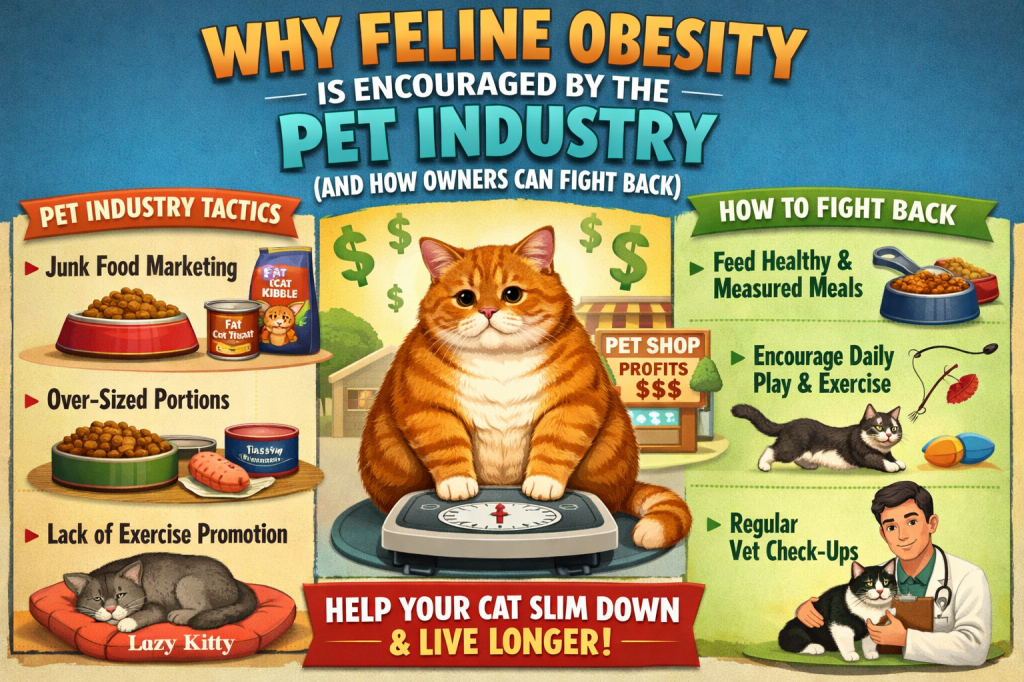
2. Obesity Risk
Not all senior cats are underweight. Some may gain weight quickly on calorie-dense kitten food, leading to:
- Diabetes risk
- Joint strain
- Liver issues
Always monitor your cat’s body condition and weight closely.
3. Imbalanced Nutrition for Aging Organs
Kitten food lacks ingredients targeted to senior health such as:
- Joint support
- Cognitive function enhancers
- Controlled minerals
Feeding kitten food exclusively may not meet all senior-specific needs over the long term.
How to Safely Feed Kitten Food to a Senior Cat
If your veterinarian approves using kitten food for your 15-year-old cat, follow these guidelines:
✅ Mix with Senior Diet
Blend a portion of kitten food into their regular senior formula. This boosts calories without drastically altering the nutrient balance.
✅ Use as a Temporary Supplement
Kitten food can act as a nutritional supplement for periods of weight gain or recovery after illness.
✅ Choose High-Quality Wet Kitten Food
Wet kitten food is:
- Easier to eat
- More hydrating
- Often lower in carbs and fillers than dry varieties
Look for brands with real meat as the first ingredient and without artificial additives.
✅ Monitor Health Closely
Weigh your cat weekly and look out for changes in:
- Energy levels
- Litter box habits
- Vomiting or diarrhea
- Appetite shifts
If any symptoms worsen, revert to a senior-specific diet.
Best Alternatives to Kitten Food for Senior Cats
If you’re looking for safer, long-term alternatives to kitten food, consider:
- High-calorie senior formulas: Specially made for older cats that need more energy
- Prescription recovery diets (e.g., Hill’s a/d): Designed for weight gain and nutrient absorption
- Calorie-dense toppers or treats: Add a boost without switching full diets
- Homemade vet-approved meals: Tailored to your cat’s exact medical condition
Final Thoughts: Kitten Food for a 15-Year-Old Cat – Yes or No?
Feeding kitten food to a 15-year-old cat can be helpful in certain cases, especially if your cat is underweight, recovering from illness, or has lost muscle mass. However, it should never replace veterinary care or be used without understanding your cat’s health status.
Always consult your vet before switching to kitten food. If approved, monitor your cat carefully, and consider using it as a temporary boost rather than a permanent diet. Your cat’s golden years deserve thoughtful nutrition tailored to their evolving needs.



 Fresh Cat News: Trusted Updates for Cat Lovers & Responsible Owners
Do you found this guide useful, please leave a comment.