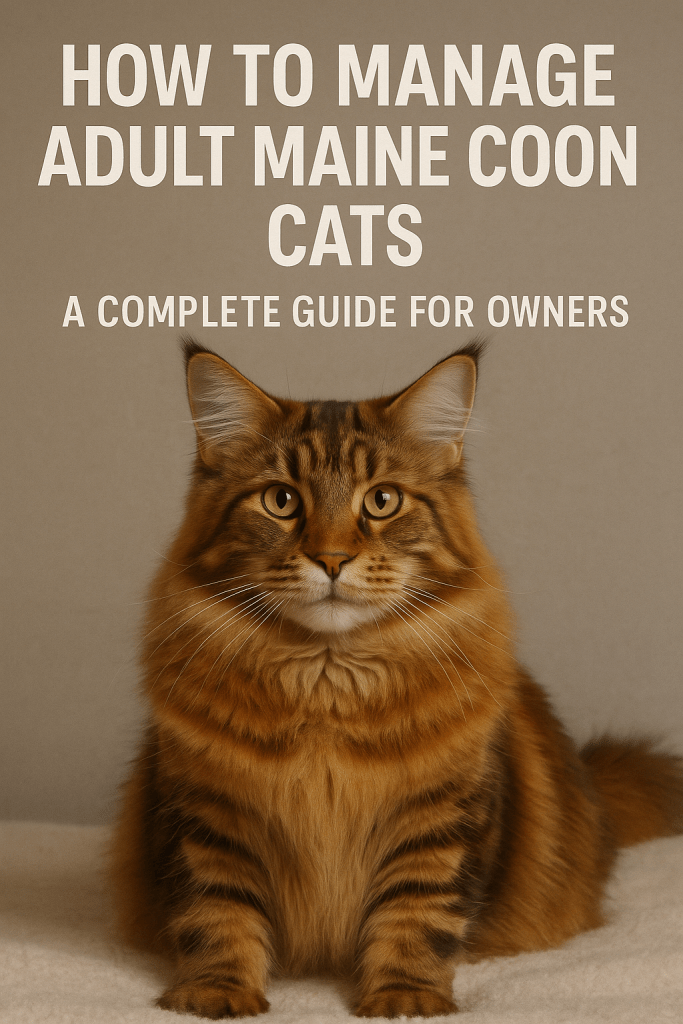
Maine Coon cats are known for their stunning appearance, affectionate nature, and dog-like personalities. Often called the “gentle giants” of the feline world, adult Maine Coons are large, intelligent, and highly social. But owning one of these majestic cats isn’t just about enjoying their beauty — it requires dedicated management and care to ensure they thrive throughout their adult years.
In this ultimate guide, we’ll explore everything you need to know about managing an adult Maine Coon cat, including their health, nutrition, grooming, behavior, environment, and daily needs.
Table of Contents
- Understanding the Adult Maine Coon
- Nutritional Needs of Adult Maine Coons
- Grooming and Coat Maintenance
- Health Monitoring and Veterinary Care
- Exercise and Enrichment
- Behavioral Traits and Training Tips
- Litter Box Habits and Hygiene
- Living Environment and Space Requirements
- Social Interaction and Emotional Needs
- Travel and Transport
- Multi-Pet Households
- Feeding Time Routines and Picky Eaters
- Managing Maine Coon Shedding and Hairballs
- Senior Maine Coon Transition
- Final Thoughts and Tips for Lifelong Care
1. Understanding the Adult Maine Coon
Maine Coons mature slowly and reach full adulthood between 3 to 5 years of age. By this time, they typically weigh:
- Males: 13–18 pounds (some up to 25 lbs)
- Females: 8–14 pounds
They are:
- Highly intelligent
- Curious but calm
- Vocal (with chirps and trills)
- Loyal to their families
Understanding their temperament is essential to managing their needs effectively.
2. Nutritional Needs of Adult Maine Coons
Because of their larger size, Maine Coons need more food than smaller cats — but they also need the right food.
Key Nutritional Elements:
- High-quality protein (chicken, turkey, fish)
- Moderate fat content for energy
- Taurine for heart and eye health
- Omega-3 and 6 fatty acids for coat and joint support
- Controlled carbs to avoid obesity
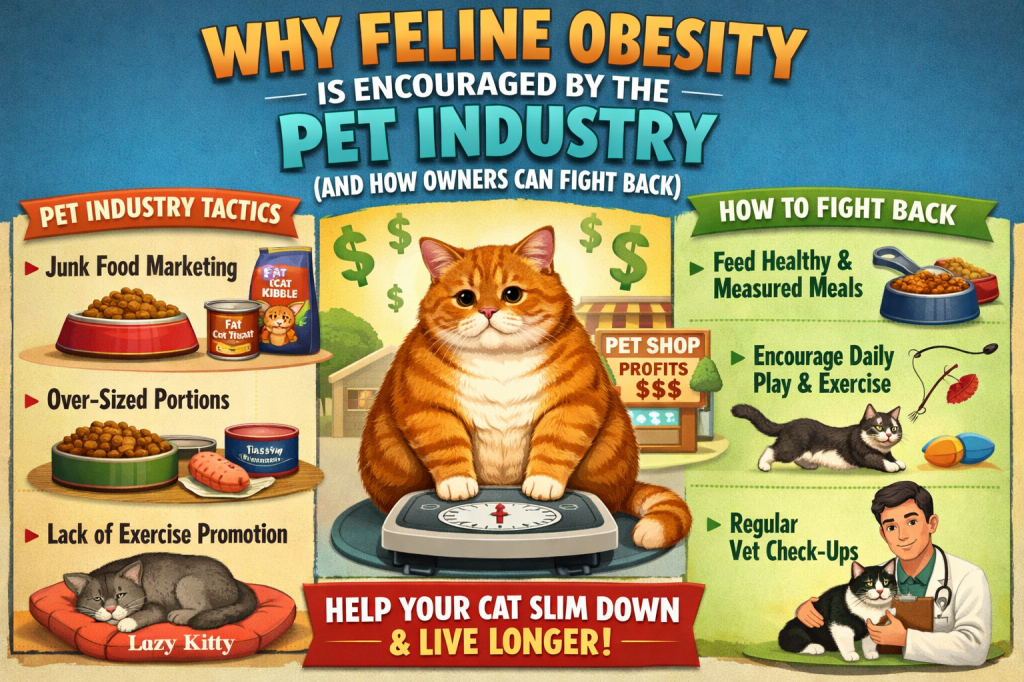
Feed a large breed-specific formula or consult your vet about a balanced raw or wet food diet. Portion control is crucial to prevent overweight issues.
3. Grooming and Coat Maintenance
The Maine Coon’s semi-long, shaggy coat is beautiful but requires regular grooming.
Grooming Routine:
- Brush 3–4 times per week
- Use a slicker brush and metal comb
- Check for mats, especially around the neck, armpits, and tail
- Trim nails every 2–3 weeks
- Clean ears monthly
Grooming also provides bonding time and helps reduce shedding and hairballs.
4. Health Monitoring and Veterinary Care
Common health issues in Maine Coons include:
- Hypertrophic cardiomyopathy (HCM)
- Hip dysplasia
- Spinal muscular atrophy (SMA)
- Polycystic kidney disease (PKD)
Health Tips:
- Annual vet exams (twice a year for seniors)
- Regular heart screenings (especially for HCM)
- Maintain dental hygiene
- Deworm and vaccinate as recommended
Early diagnosis can save lives, especially for hereditary conditions.
5. Exercise and Enrichment
Though calm, adult Maine Coons are active and playful. Lack of exercise can lead to boredom and obesity.
Play Recommendations:
- 15–30 minutes of interactive play daily
- Use wand toys, laser pointers, puzzle feeders
- Provide vertical climbing space (cat trees)
- Rotate toys weekly to keep interest
Mental stimulation is just as important as physical activity.
6. Behavioral Traits and Training Tips
Maine Coons are trainable and enjoy learning. Use positive reinforcement.
Training Ideas:
- Teach basic commands (sit, come, high five)
- Leash training for outdoor walks
- Litter box etiquette
- Use clickers or treats as motivators
Avoid punishment; they are sensitive and may become stressed or withdrawn.
7. Litter Box Habits and Hygiene
Due to their size, Maine Coons need large litter boxes — standard ones are often too small.
Best Practices:
- Use open or XL-sized litter boxes
- Scoop at least once a day
- Clean and sanitize weekly
- Provide multiple boxes in multi-level homes
Avoid scented litters that may deter sensitive cats.
8. Living Environment and Space Requirements
Maine Coons adapt well to apartments and houses but need room to move.
Environment Tips:
- Create vertical space (shelves, trees)
- Offer cozy resting spots near windows
- Avoid cluttered areas
- Use scratching posts to protect furniture
Even indoor-only Maine Coons benefit from secure outdoor enclosures (catios).
9. Social Interaction and Emotional Needs
Maine Coons are people-oriented. They love to be near their humans but aren’t usually lap cats.
Emotional Well-Being:
- Spend quality time daily
- Talk to them (they often respond!)
- Don’t leave them alone for extended periods
- Consider a companion pet if you’re away often
Neglected Maine Coons may become anxious or depressed.
10. Travel and Transport
Transporting a large cat requires planning.
Travel Tips:
- Use extra-large carriers
- Line with soft, familiar bedding
- Practice short rides to reduce anxiety
- Consider Feliway spray for calming
Always secure the carrier during transport and avoid feeding just before travel to prevent nausea.
11. Multi-Pet Households
Maine Coons generally get along well with other pets, including:
- Dogs
- Other cats
- Children
They are gentle and patient, but slow introductions are essential.
Tips for Harmony:
- Introduce scents before physical contact
- Feed separately at first
- Provide escape spaces
- Supervise early interactions
12. Feeding Time Routines and Picky Eaters
Routine feeding creates stability. Maine Coons can be picky if spoiled with too many options.
Feeding Advice:
- Feed at the same time daily
- Avoid constant grazing
- Use slow-feeders to prevent gulping
- Monitor for changes in appetite
If appetite drops suddenly, consult a vet — it may signal an underlying issue.
13. Managing Maine Coon Shedding and Hairballs
Shedding is heavier in spring and fall. Hairballs are common in long-haired breeds.
Tips:
- Daily brushing during peak seasons
- Hairball control treats or paste
- High-fiber diets
- Fresh water to aid digestion
Vacuum frequently and use lint rollers to manage fur around the house.
14. Senior Maine Coon Transition
Around age 10–12, Maine Coons enter their senior years.
Senior Care Adjustments:
- Shift to senior cat food with joint support
- Increase vet visits to twice a year
- Use low-sided litter boxes for joint pain
- Add ramps or steps to favorite perches
Early adjustments help maintain quality of life as they age.
15. Final Thoughts and Tips for Lifelong Care
Managing an adult Maine Coon is a rewarding journey that requires attention, patience, and love. Their affectionate, loyal nature and regal presence make them unforgettable companions.
Final Tips:
- Invest in large, durable accessories
- Stick to a predictable routine
- Watch for behavioral or health changes
- Provide stimulation and affection daily
With proper care, Maine Coons can live healthy, happy lives into their late teens.
Frequently Asked Questions
Q: How often should I groom my Maine Coon?
A: Ideally, 3–4 times per week. Daily brushing during shedding seasons is best.
Q: Do adult Maine Coons need special food?
A: Yes, choose food formulated for large breeds or active adult cats, rich in protein and omega-3s.
Q: Are Maine Coons aggressive?
A: Not at all. They are known for their gentle and patient nature.
Q: Can I let my Maine Coon outside?
A: Only under supervision or in a secure enclosure. They are safer as indoor cats.



 Fresh Cat News: Trusted Updates for Cat Lovers & Responsible Owners
Do you found this guide useful, please leave a comment.