
Whether you’re a first-time cat owner or a lifelong feline fan, these 100 tips will sharpen your skills, improve your cat’s health, and strengthen your bond. Let’s break it down into essentials, behavior, health, safety, and lifestyle hacks. Bookmark this. Share it. Live by it.
🧩 Essentials: Get the Basics Right (1–20)
- Adopt, don’t shop — Give shelter cats a home. They need you more than breeders do.
- Spay/neuter early — Prevent overpopulation and reduce behavior problems.
- Microchip your cat — Even indoor cats can escape. Microchips bring them back.
- Keep vaccinations up to date — Don’t risk feline diseases. Stay on schedule.
- Get a good vet, not just a nearby one — Find someone who actually cares about cats.
- Set up a safe, quiet place — Cats need a zone where they can retreat without being disturbed.
- Use a proper litter box — Big enough, uncovered, and cleaned daily.
- Don’t change litter brands suddenly — Cats can rebel or stop using the box.
- Two litter boxes per cat is ideal — Especially in multi-cat households.
- Use stainless steel or ceramic bowls — Plastic can cause chin acne.
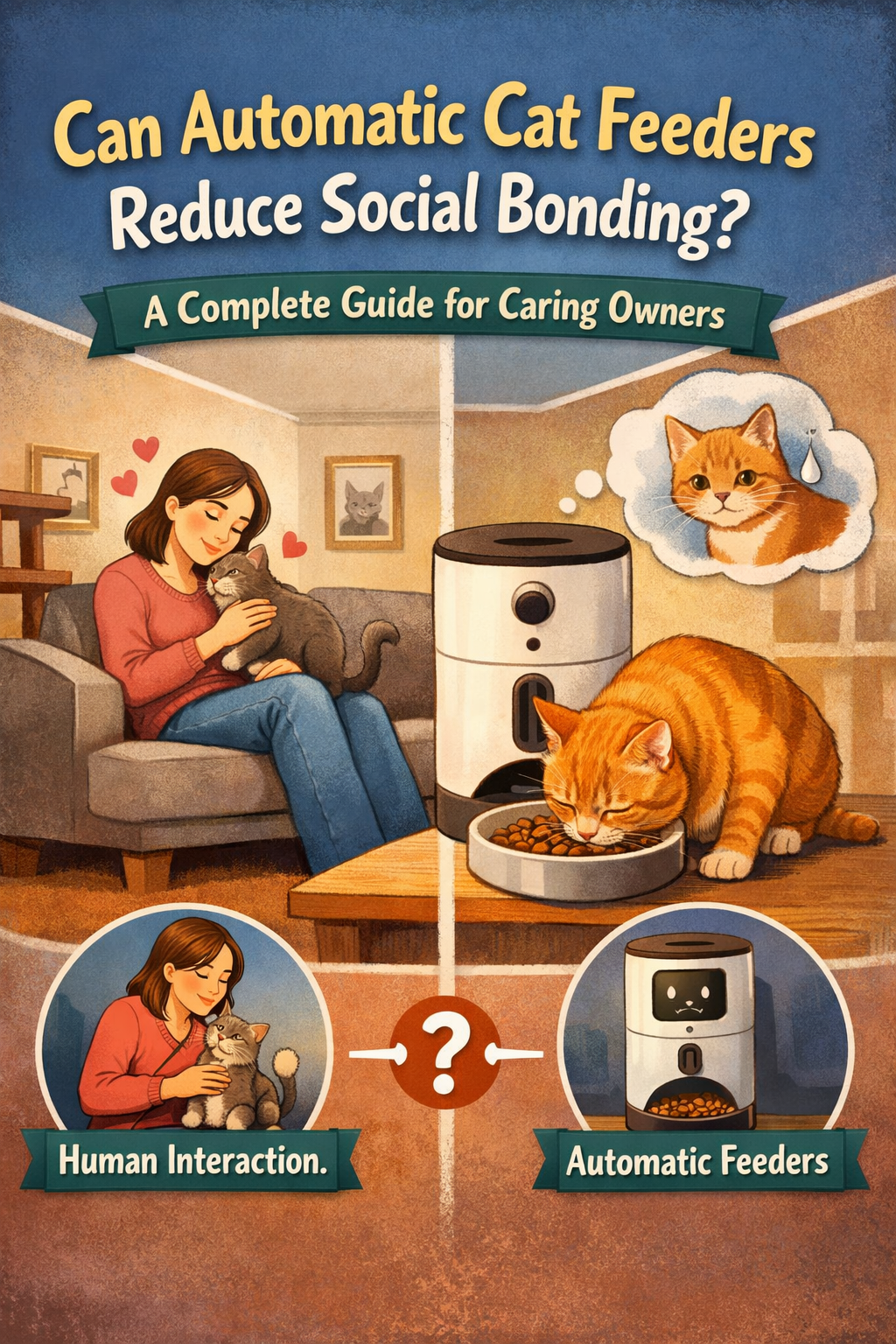
- Avoid free-feeding — It leads to obesity. Scheduled meals work better.
- Feed species-appropriate food — Cats are obligate carnivores. Prioritize high-protein, low-carb.
- Fresh water always — Try a water fountain if they don’t drink enough.
- Get scratching posts early — Save your furniture. Train them young.
- Trim claws regularly — Don’t declaw—it’s cruel and unnecessary.
- Invest in pet insurance — It can save you thousands in emergencies.
- Brush your cat, even short-haired ones — Cuts down on shedding and hairballs.
- Desensitize them to carriers — Don’t wait until vet day. Make it part of play.
- Enrich the environment — Cat trees, window perches, tunnels: give them variety.
- Understand your breed (or mix) — Siamese aren’t Persians. Personalities and needs vary.
🧠 Behavior & Bonding (21–45)
- Let them come to you — Respect their space. Bonding isn’t forced.
- Watch body language — Tail flicks, flattened ears, slow blinks—learn the signs.
- Reward good behavior immediately — Cats don’t respond to punishment, only timing.
- Use clicker training — Yes, cats can learn commands. And they love it.
- Never punish with water or yelling — It ruins trust and doesn’t teach.
- Keep a consistent routine — Cats thrive on predictability.
- Talk to them often — Your voice builds trust, even if they don’t “answer.”
- Grooming = bonding — Many cats love a gentle brushing session.
- Use play to burn energy — 10 minutes twice a day keeps boredom at bay.
- Don’t overhandle kittens — Give them time to acclimate.
- Respect their no-touch zones — Some hate belly rubs or tail grabs.
- Let them win during play — Especially with wand toys. Builds confidence.
- Play before meals — Mimics hunting and boosts appetite.
- Use slow blinking to show affection — It’s a cat’s way of saying “I trust you.”
- Don’t force interactions with guests — Your cat will make the first move when ready.
- Multi-cat home? Introduce slowly — Use scent swapping, not sudden meetings.
- Don’t assume cats “just get along” — Watch for subtle tension.
- Use pheromone diffusers — Helps reduce stress in anxious cats.
- Don’t laugh at fear responses — That “funny jump” may mean real stress.
- Some cats need alone time — Don’t take it personally.
- Be patient with rescue cats — They may take months to fully settle.
- Create vertical territory — Cats love to climb and observe.
- Don’t mix catnip with aggressive cats — It can make things worse.
- Know when to back off — A swishing tail is a warning.
- Love them on their terms — The best relationships are built on respect.
🏥 Health, Nutrition, and Wellness (46–70)
- Schedule annual vet visits — Even if your cat seems fine.
- Check their weight monthly — Sudden gain or loss is a red flag.
- Monitor litter box habits — Changes in pee/poop often signal issues.
- Hydration matters — Canned food boosts water intake.
- Dental care is crucial — Try brushing or dental treats.
- Hairballs are not normal — More than once a week? See a vet.
- Don’t self-medicate — Never give human meds unless the vet OKs it.
- Watch for subtle pain signs — Cats hide discomfort. Limping, hunching, hiding = red flags.
- Arthritis is common in seniors — Ask about supplements or medication.
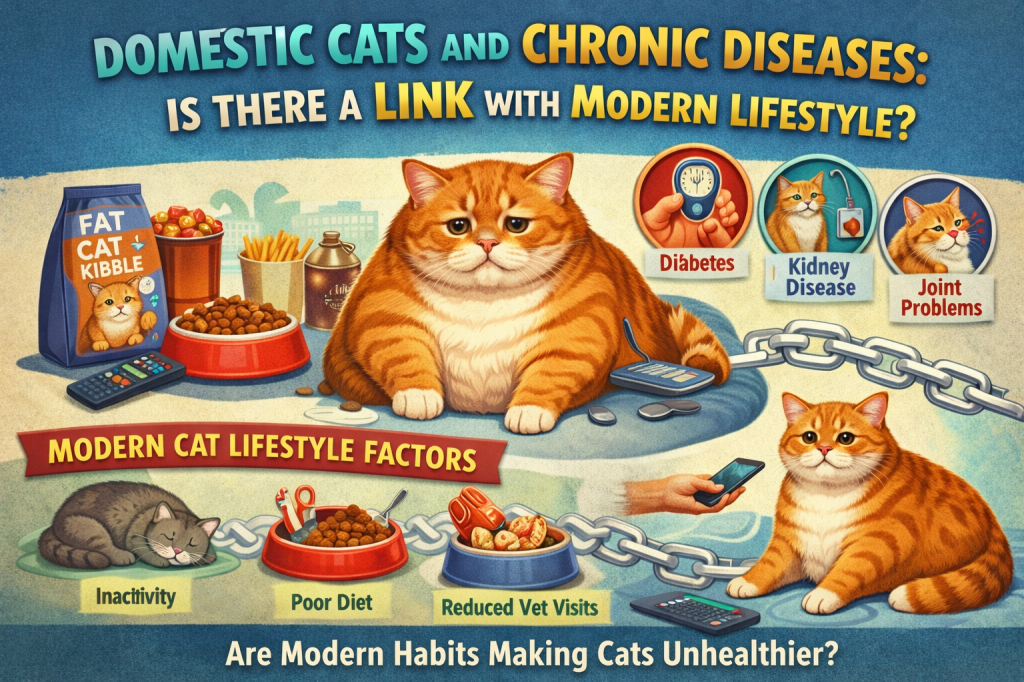
- Obesity shortens lives — Keep them lean.
- Don’t ignore vomiting — Once in a while is OK. Daily isn’t.
- Check ears and eyes weekly — Look for redness, discharge, or foul smell.
- Keep fleas and ticks away — Even indoor cats can get them.
- Consider raw or freeze-dried diets only with guidance — Done wrong, it’s risky.
- Don’t free-feed dry food — It’s like leaving chips out 24/7.
- Senior cats = different needs — Adjust food and litter box setup accordingly.
- Use non-clumping litter for kittens — They may eat it.
- Look at poop regularly — You’ll spot illness early.
- Don’t let cats chew houseplants — Many are toxic.
- Know emergency signs — Labored breathing, refusal to eat, lethargy = call the vet.
- Track vet records digitally — Easier for emergencies.
- Watch for over-grooming — It’s often a stress signal.
- Weigh food portions — Guesswork leads to overfeeding.
- Use probiotics for gut health — Especially after antibiotics.
- Monitor for UTIs — Peeing outside the box may be medical, not behavioral.
🏡 Home Safety & Environment (71–90)
- Keep windows screened — Cats fall. It’s called “high-rise syndrome.”
- Tidy cords and cables — Chewed wires = vet visit or fire risk.
- No lilies. Ever. — Every part is toxic. Even the pollen.
- Lock up cleaners and meds — Many are fatal to cats.
- Avoid essential oils — Diffusers can poison them.
- Create window perches — They love watching the world.
- Use child locks on cabinets — Some cats are master openers.
- Install baby gates if needed — Block off no-cat zones.
- Use motion sensors for counters — To deter nighttime raids.
- Secure all balconies — Netting or plexiglass works.
- Vacuum regularly — Cats love clean floors, too.
- Monitor heating vents — Some cats sleep dangerously close.
- Never let them near the dryer — Check before every cycle.
- Anchor heavy furniture — Jumping cats can topple shelves.
- Don’t use strong air fresheners — Can cause respiratory issues.
- Give hiding spaces — Especially for new or anxious cats.
- Cat-proof your trash — Leftovers are dangerous.
- No string play without supervision — Swallowed thread = surgery.
- Rotate toys to keep things fresh — Prevents boredom.
- Make the carrier part of the home — Not just a scary “vet box.”
😻 Lifestyle, Travel & Long-Term Tips (91–100)
- Board with a cat-friendly facility — Or better yet, get a cat sitter.
- Use calming sprays before travel — Feliway can help.
- Update microchip info after moving — Or it’s useless.
- Introduce harnesses early — Don’t wait until adulthood.
- Plan for emergencies — Have a go-bag with food, litter, meds.
- Don’t treat cats like dogs — They’re not pack animals.
- Respect their autonomy — They aren’t disobedient; they’re independent.
- Celebrate adoption days — They’re part of your family.
- Include them in your will — Plan for their future if something happens to you.
- Love them fiercely — You’re their whole world. Make it a good one.
Final Word:
Cats aren’t just pets. They’re companions, oddballs, roommates, and silent observers of our lives. Treat them with respect, patience, and love, and you’ll get a relationship that’s as rewarding as it is mysterious.






 Fresh Cat News: Trusted Updates for Cat Lovers & Responsible Owners
Do you found this guide useful, please leave a comment.