
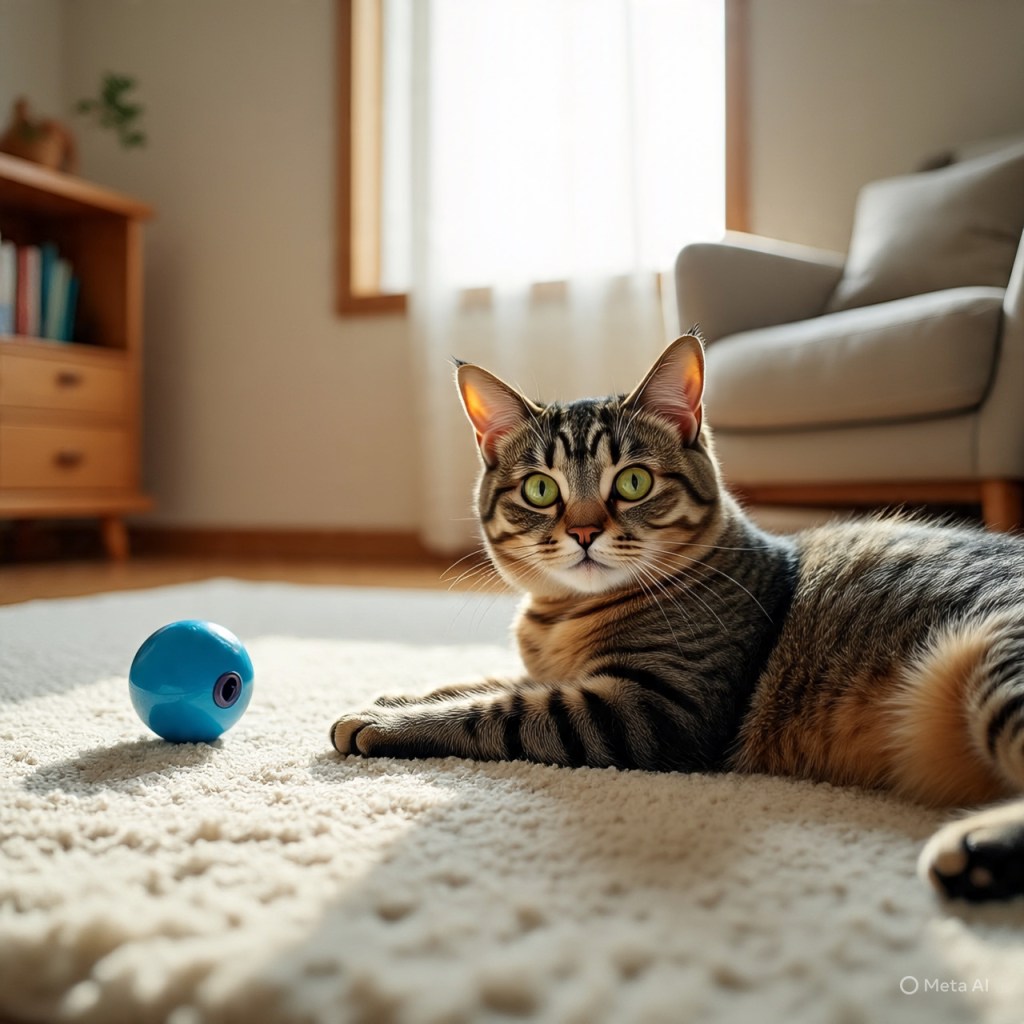
Keeping your indoor cat mentally stimulated and physically active is vital for their health, behavior, and overall happiness. While outdoor cats have natural access to sights, smells, and challenges, indoor cats rely entirely on you to enrich their lives. The good news? With a little creativity, you can turn your home into a feline playground and provide plenty of exciting activities every day.
In this post, you’ll discover the best indoor enrichment ideas — from DIY toys to interactive games — to keep your kitty both active and content.
Why Indoor Enrichment Is Important for Cats
Indoor cats live longer, safer lives, but they also face risks like boredom, obesity, anxiety, and even depression. Without mental and physical stimulation, your cat may:
- Scratch furniture
- Overeat or gain weight
- Act aggressively
- Hide more often
- Show signs of stress or restlessness
- https://www.humaneworld.org
Enrichment isn’t just play — it’s about mimicking the stimulation cats would naturally experience in the wild: hunting, climbing, exploring, and problem-solving.
1. Create an Interactive Environment
The first step to indoor enrichment is designing a stimulating space.
A. Window Perches and Views
Cats love to watch the world outside. Install a secure window perch or place a cat tree near a window. Bonus if there are birds or squirrels to observe!
Try:
- Suction-cup window hammocks
- Placing a bird feeder just outside for entertainment
B. Vertical Space and Climbing
Cats feel secure and stimulated when they can climb. Add cat shelves, wall-mounted perches, or a tall cat tree to let your kitty jump, rest, and observe from above.
C. Safe Hiding Spots
Provide cozy hideouts or boxes in quiet places for your cat to retreat and recharge. Cats enjoy privacy as much as stimulation.
2. Playtime Routines That Mimic Hunting
Cats are natural predators, and play should simulate the hunting sequence: stalk, chase, pounce, and “kill.” Create a daily play routine using toys that replicate prey. How don’t you visit https://bestfriends.org
A. Wand Toys
Feather wands and fishing pole toys let you control the movement — perfect for chasing and jumping. Use quick, erratic movements to keep things interesting.
Pro tip: Always end with a “catch” and offer a treat. This mimics a successful hunt and keeps your cat satisfied.
B. Laser Pointers (Use Cautiously)
Laser pointers are great for exercise, but make sure to finish the game with a tangible toy or treat to avoid frustration.
C. Catnip Toys
Toys infused with catnip or silvervine can stimulate your cat’s senses. Rotate them weekly to keep your cat interested.
3. Puzzle Feeders and Food Challenges
Instead of serving meals in a bowl, turn feeding into a mental workout.
A. Puzzle Toys
These make your cat work for food using paws, nose, or tongue. They engage your cat’s mind and slow down fast eaters.
B. Treat Balls and Rolling Feeders
Interactive feeders roll around and dispense kibble as your cat bats them, encouraging movement and problem-solving.
C. Hide-and-Seek Feeding
Hide dry kibble or treats in different rooms or under objects. This encourages your cat to “hunt” and explore your home.
4. DIY Enrichment Ideas on a Budget
You don’t need expensive gear to enrich your cat’s life — just a few simple materials and creativity.
A. Paper Bags and Cardboard Boxes
Classic favorites. Cut holes in boxes or stack a few to create tunnels. Crumpled paper inside adds sound stimulation.
B. Egg Cartons and Toilet Paper Rolls
Great for food puzzles. Put a few pieces of dry food inside and watch your cat figure it out.
C. DIY Feather Toys or Sock Mice
Use old fabric, feathers, or string to make toys that smell familiar and provide tactile stimulation.
5. Tech Enrichment: Going Digital
Technology can add a modern twist to enrichment.
A. Cat Apps
Yes, really! There are tablet games designed for cats that feature moving fish, bugs, or lights. Let your cat “catch” them on screen.
B. Motion-Activated Toys
Automated mice, flopping fish, or rotating feather toys can entertain your cat while you’re away.
C. Pet Cameras
Two-way pet cams with treat dispensers or laser toys allow you to interact with your cat while you’re at work.
6. Social Enrichment: You Matter Too
Your bond with your cat is the most important form of enrichment.
A. Daily Interactive Play
Aim for at least two 10-15 minute play sessions per day. This keeps your cat stimulated and strengthens your bond.
B. Training Sessions
Use clicker training to teach basic tricks like “sit,” “high five,” or “jump.” Mental stimulation is just as important as physical.
C. Grooming and Cuddling
Some cats enjoy brushing or gentle petting — it soothes them and deepens your connection.
7. Rotate and Refresh Toys Regularly
Cats can get bored with the same toys. Store unused ones out of sight and rotate them weekly to keep things fresh.
Try:
- Creating “toy zones” in different rooms
- Swapping out toys every Sunday for a “new toy day”
8. Special Enrichment for Senior or Disabled Cats
Older cats or cats with mobility issues still need enrichment, just at a gentler pace.
Tips:
- Use lower platforms or ramps instead of jumps
- Choose soft, slow-moving toys
- Prioritize mental games and scent-based enrichment (like catnip or treats hidden in soft puzzles)
9. Enrichment for Multi-Cat Homes
If you have multiple cats, enrichment is key to preventing boredom and tension.
Ideas:
- Provide separate climbing spaces to avoid territorial conflicts
- Play with each cat individually if they don’t like to share
- Use calming diffusers to reduce stress during group play
10. Enrichment Checklist: Keep It Varied
Make sure your weekly routine includes:
✅ Physical exercise
✅ Mental stimulation
✅ Social interaction
✅ Scent and sensory experiences
✅ New or rotated toys
✅ Exploration or puzzle challenges
Mix and match each day for variety. Monday could be laser play, Tuesday a puzzle feeder, Wednesday window-watching, and so on.
Conclusion
Indoor cats can thrive in any home when given the right mental and physical challenges. Enrichment isn’t about spending a fortune — it’s about understanding your cat’s instincts and fulfilling them creatively. With the right environment, play routine, and stimulation, your kitty will stay happy, healthy, and purring for years to come.
FAQs
Q: How often should I play with my indoor cat?
A: Aim for at least 20–30 minutes of interactive play per day, split into 2–3 sessions.
Q: What are signs my cat is bored?
A: Overgrooming, overeating, aggression, furniture scratching, or lethargy may all signal boredom.
Q: Can indoor cats be as happy as outdoor cats?
A: Absolutely! With the right enrichment, indoor cats can lead highly fulfilling lives.
Q: Are puzzle feeders worth it?
A: Yes. They provide mental stimulation, slow down eating, and mimic natural hunting behavior.





 Fresh Cat News: Trusted Updates for Cat Lovers & Responsible Owners
Do you found this guide useful, please leave a comment.