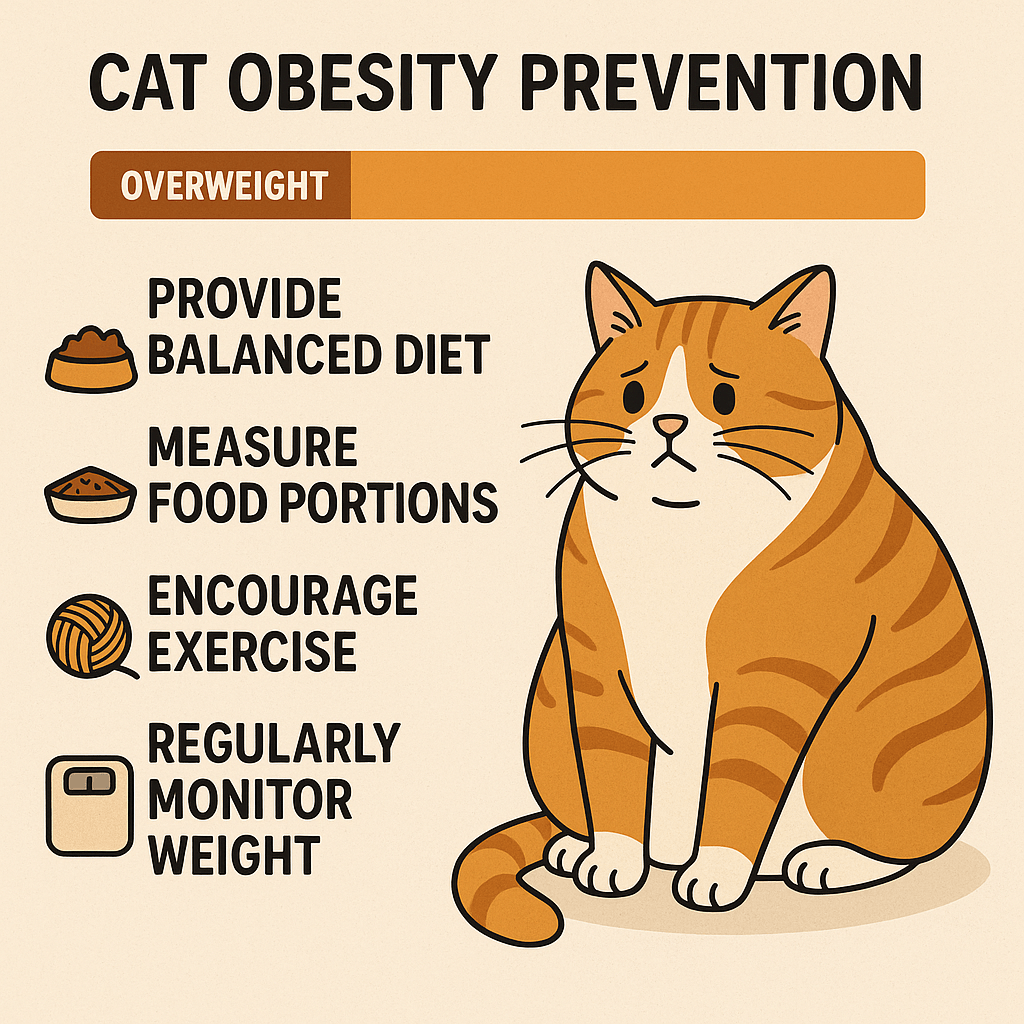
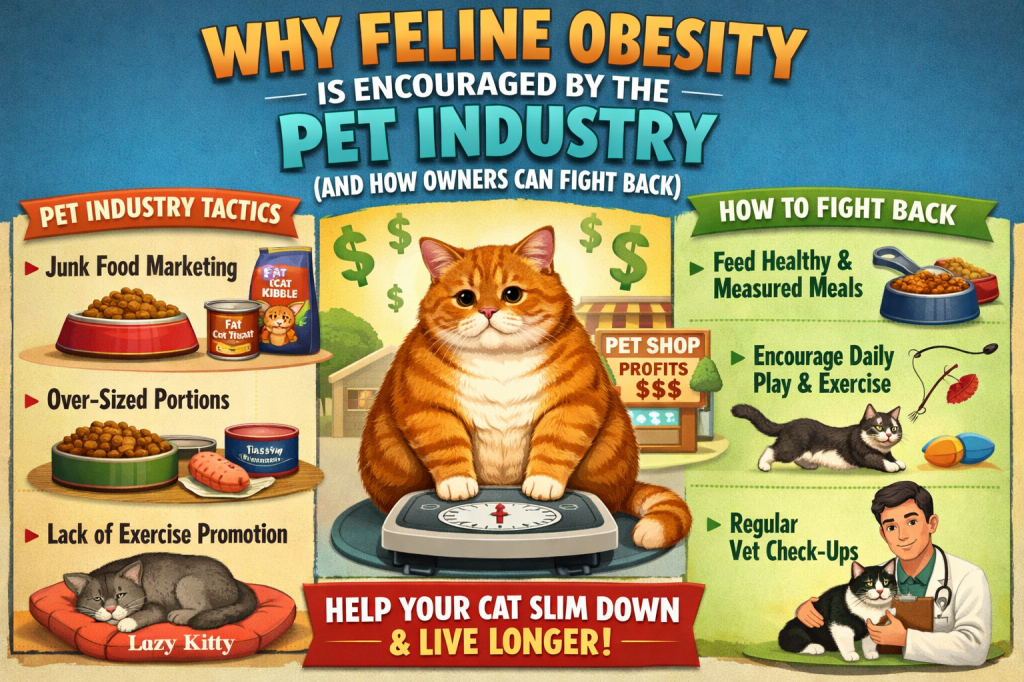
Obesity in cats is a growing concern, with studies showing that over 50% of domestic cats are overweight or obese. Excess weight can lead to serious health problems, including diabetes, arthritis, heart disease, and a shortened lifespan. As a responsible pet owner, it’s crucial to take proactive steps to prevent obesity and cats overweight in your feline companion.
This comprehensive guide covers:
✔ Causes of cat obesity
✔ Health risks of an overweight cat
✔ How to check if your cat is overweight
✔ Best diet and feeding practices
✔ Exercise strategies for indoor cats
✔ Common mistakes to avoid
Let’s dive into the best ways to keep your cat at a healthy weight.
Why Is Cat Obesity Dangerous?
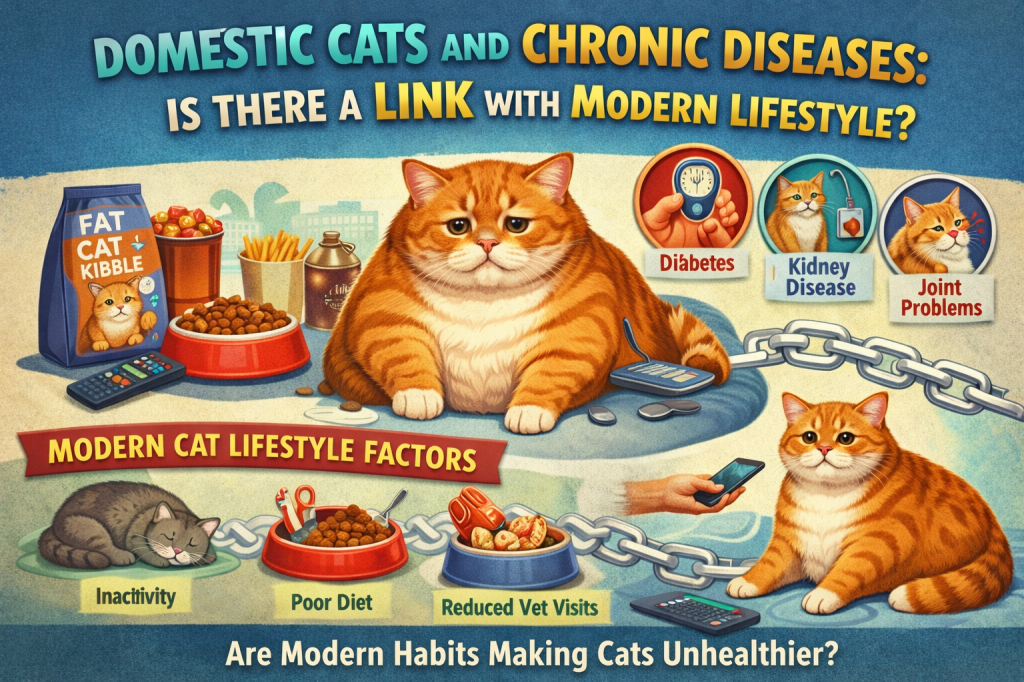
Before discussing prevention, it’s important to understand the risks of feline obesity:
1. Increased Risk of Diabetes
Overweight cats are four times more likely to develop diabetes mellitus due to insulin resistance.
2. Joint Pain & Arthritis
Extra weight puts stress on joints, leading to mobility issues and chronic pain.
3. Heart and Liver Disease
Fatty liver disease (hepatic lipidosis) and cardiovascular strain are common in obese cats.
4. Lower Lifespan
Studies show that obese cats live 2-5 years less than cats at a healthy weight.
5. Reduced Quality of Life
Overweight cats are less active, groom less, and may suffer from depression.
How to Tell If Your Cat Is Overweight
Body Condition Scoring (BCS)
Veterinarians use a 1-9 scale to assess a cat’s weight:
- 1-3 (Underweight): Ribs, spine, and hip bones visible.
- 4-5 (Ideal): Ribs palpable with slight fat cover; visible waist.
- 6-9 (Overweight/Obese): No waist, rounded belly, ribs hard to feel.
At-Home Check
- Rib Test: You should feel (but not see) ribs under a thin fat layer.
- Waist Check: Look for a slight inward curve behind the ribs when viewed from above.
- Profile Check: A sagging belly (pendulous abdomen) indicates excess fat.
If your cat scores 6 or above, consult your vet for a weight-loss plan.
How to Prevent Cat Obesity: 8 Proven Strategies
1. Measure Food Portions
Free-feeding (leaving food out all day) is a leading cause of obesity. Instead:
- Follow feeding guidelines on cat food labels.
- Use a measuring cup or kitchen scale for accuracy.
- Split meals into 2-3 small portions per day.
Daily Calorie Needs (Average Adult Cat):
- 10 lbs (healthy weight): 200-250 kcal/day
- Overweight cat: Reduce by 20% (consult your vet).
2. Choose High-Protein, Low-Carb Food
Cats are obligate carnivores and thrive on high-protein, low-carb diets. Avoid:
- Cheap kibble (high in carbs and fillers).
- Excessive treats (even 10 extra kcal/day can cause weight gain).
Best Options:
✔ Wet food (higher moisture, lower carbs)
✔ High-protein dry food (if kibble is necessary)
✔ Prescription weight-management diets (for obese cats)
3. Avoid Overfeeding Treats
Treats should make up less than 10% of daily calories.
- Swap store-bought treats for small pieces of cooked chicken or fish.
- Use puzzle feeders to make treats more engaging.
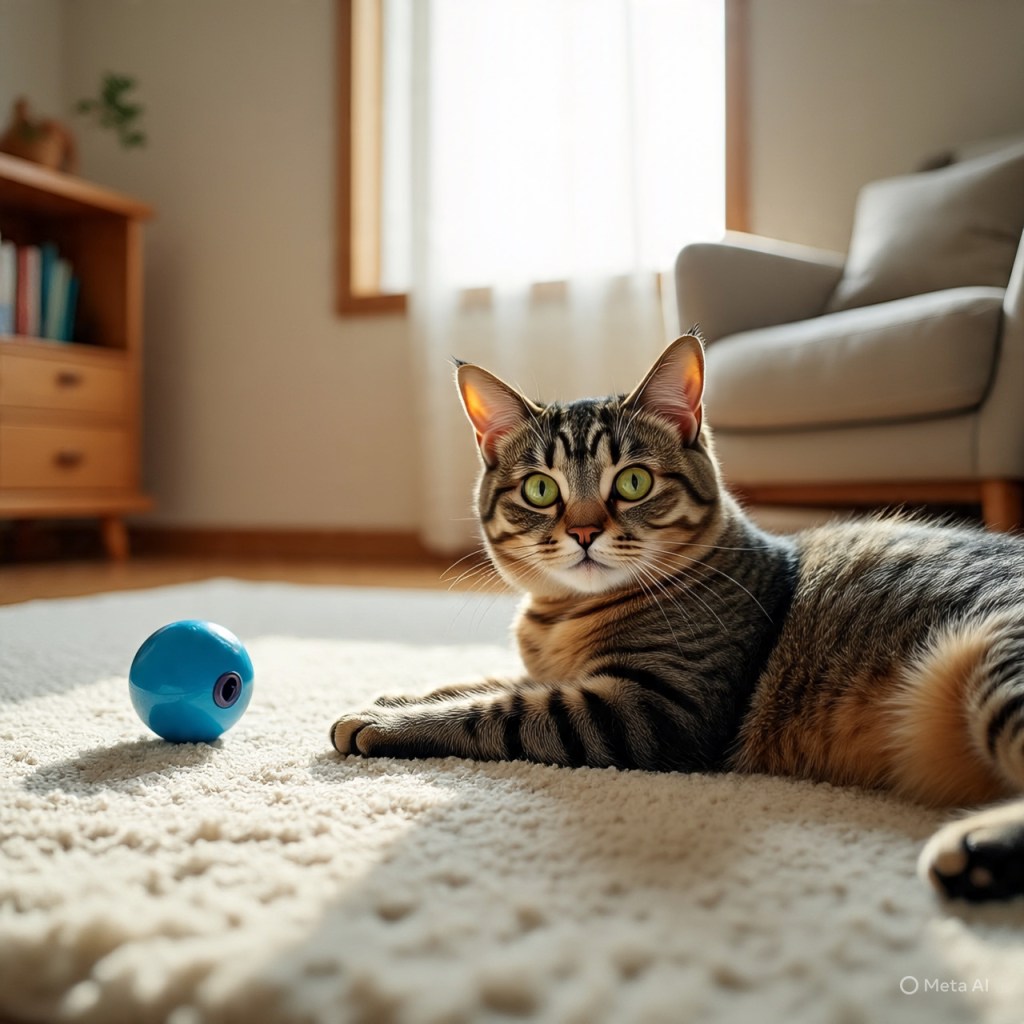
4. Encourage Exercise & Play
Indoor cats are at higher risk of obesity due to inactivity. Keep them moving with:
- Interactive toys (feather wands, laser pointers).
- Cat trees & climbing shelves (encourages jumping).
- 15-20 minutes of playtime 2x daily.
5. Use Food Puzzles & Slow Feeders
Food-dispensing toys make cats work for their meals, slowing eating and increasing activity.
6. Monitor Weight Monthly
Weigh your cat once a month to catch weight gain early.
7. Address Medical Causes
Some conditions contribute to weight gain, such as:
- Hypothyroidism (rare in cats)
- Cushing’s disease
- Steroid medications
If your cat gains weight suddenly, see a vet.
8. Spayed/Neutered Cats Need Adjusted Diets
Fixed cats have slower metabolisms and need 20-30% fewer calories. Adjust portions accordingly.
Common Mistakes That Lead to Cat Obesity
❌ Free-feeding kibble 24/7 → Leads to overeating.
❌ Ignoring treat calories → Just 5 extra treats = 50+ kcal!
❌ Assuming “indoor cat” food is low-calorie → Some are still high in fat.
❌ Not adjusting for age → Senior cats need fewer calories.
❌ Skipping vet check-ups → Weight gain can signal illness.
What If Your Cat Is Already Overweight?
If your cat is obese:
- Visit the vet for a safe weight-loss plan.
- Gradual weight loss (1-2% body weight per week).
- Increase exercise slowly to avoid injury.
- Switch to a weight-control diet if recommended.
Never starve your cat! Rapid weight loss can cause fatty liver disease, which is life-threatening.
Final Thoughts: A Healthy Cat Is a Happy Cat
Preventing obesity in cats requires consistent effort—proper diet, portion control, and regular exercise. By following these guidelines, you can help your feline friend stay lean, active, and healthy for years to come.
Key Takeaways:
✔ Measure food portions – avoid free-feeding.
✔ Choose high-protein, low-carb diets – wet food is best.
✔ Encourage daily exercise – playtime is crucial.
✔ Monitor weight regularly – catch changes early.
✔ Consult your vet before starting a weight-loss plan.
By taking these steps, you’ll give your cat the best chance at a long, healthy, and happy life—free from the risks of obesity.
Did you find this guide helpful? Share it with fellow cat owners to help keep more kitties fit and healthy!
#FatCatFacts #CatObesityAwareness #OverweightCat #HealthyCatLife #CatWeightLossJourney #ChonkyCatProblems #FitFeline #CatHealthMatters #PurrfectWeigh #TrimTheTabby



 Fresh Cat News: Trusted Updates for Cat Lovers & Responsible Owners
Do you found this guide useful, please leave a comment.