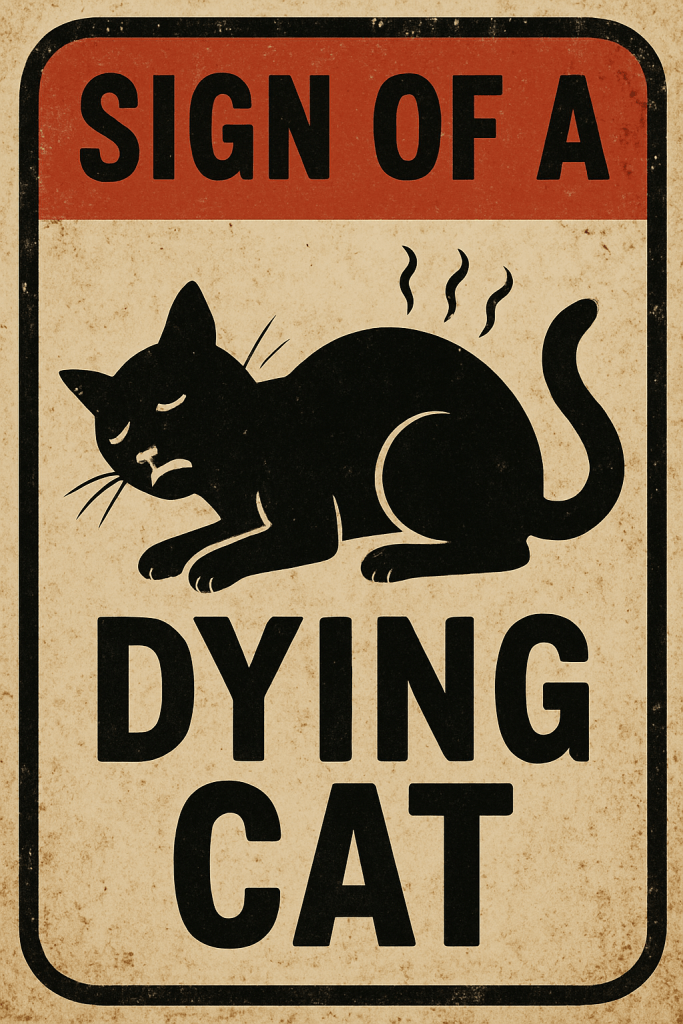
Losing a beloved cat is one of the hardest experiences a pet owner can face. As cats age or become seriously ill, they may show subtle or obvious signs that their time is near. Recognizing these signs can help you provide comfort, make informed decisions, and ensure your feline friend’s final days are as peaceful as possible.
In this guide, we’ll discuss the common signs of a dying cat, how to comfort them, and when to seek veterinary care.
Common Signs a Cat Is Dying
Cats are masters at hiding pain and illness, but as they near the end of life, certain physical and behavioral changes become noticeable. Here are the most common signs:
1. Extreme Weakness and Lethargy
- Your cat may become too weak to move, eat, or drink.
- They may sleep excessively and show little interest in their surroundings.
2. Loss of Appetite and Weight Loss
- A dying cat often stops eating and drinking entirely.
- Severe muscle wasting may make them appear bony and frail.
3. Difficulty Breathing
- Labored, shallow, or irregular breathing is common.
- You may notice open-mouth breathing or gasping.
4. Changes in Appearance
- The coat may become dull, matted, or greasy due to lack of grooming.
- The eyes may appear sunken, glazed over, or dilated.
5. Hiding or Withdrawal
- Cats instinctively seek solitude when they feel vulnerable.
- They may hide in closets, under beds, or in quiet corners.
6. Lower Body Temperature
- Cold paws and ears can indicate poor circulation.
- The cat may seek warm spots but still feel cool to the touch.
7. Loss of Bladder or Bowel Control
- A dying cat may lose control over their bodily functions.
- They may urinate or defecate where they lie.
8. Unusual Vocalizations
- Some cats cry, meow weakly, or make distressed sounds due to pain or confusion.
9. Irregular Heartbeat
- A very slow or erratic pulse can signal the body is shutting down.
What to Do If Your Cat Is Dying
If you notice these signs, your priority should be keeping your cat comfortable. Here’s how to help:
1. Provide a Quiet, Comfortable Space
- Set up a soft bed in a warm, peaceful area.
- Keep food, water, and a litter box nearby (if your cat can still use them).
2. Keep Them Hydrated (If Possible)
- Offer water with a dropper or syringe if they’re unable to drink.
- Wet food or broth may help if they’re still eating slightly.
3. Maintain Warmth
- Use a heated pet bed or blankets to prevent chills.
- Avoid overheating—just ensure they’re not cold.
4. Minimize Stress
- Reduce loud noises and excessive handling.
- Let them rest and avoid forcing movement.
5. Monitor Pain Levels
- Signs of pain include twitching, restlessness, or growling.
- Consult your vet about pain management options.
6. Seek Veterinary Guidance
- If you suspect your cat is suffering, a vet can assess their condition.
- They may recommend palliative care or humane euthanasia if the cat’s quality of life is poor.
When to Consider Euthanasia
Deciding to euthanize a pet is heartbreaking but sometimes the kindest choice. Consider euthanasia if:
✅ Your cat is in constant pain that can’t be managed.
✅ They’ve stopped eating and drinking for more than 2-3 days.
✅ They can no longer stand, walk, or use the litter box.
✅ They show no interest in affection or their favorite activities.
A veterinarian can help you determine if it’s time, ensuring your cat passes peacefully.
Coping with the Loss of a Cat
Losing a pet is deeply painful. Allow yourself to grieve and consider:
- Creating a memorial (paw prints, photos, or a small ceremony).
- Talking to a pet loss support group or counselor.
- Adopting another pet when you’re ready (never as a replacement, but as a new chapter).
Final Thoughts
Recognizing the signs of a dying cat allows you to provide the best care in their final days. While it’s never easy, your love and comfort mean everything to them. If you’re unsure about your cat’s condition, always consult a vet for guidance.
Did you find this article helpful? Share it with other cat owners who may need support during this difficult time. 💙
Description:
Worried your cat may be nearing the end of life? Learn the signs of a dying cat, how to comfort them, and when to consider euthanasia in this compassionate guide.
Tags: #DyingCat #PetLoss #CatCare #Euthanasia #SeniorCats








 Fresh Cat News: Trusted Updates for Cat Lovers & Responsible Owners
Do you found this guide useful, please leave a comment.