
Cats are curious, clever, and—sometimes—a little too sneaky for their own good. If you’ve ever turned your back for a moment only to find your feline friend paw-deep in your dinner, you’re not alone. Food stealing is a common but frustrating behavior in cats. Fortunately, with the right knowledge and consistent strategies, you can train your cat to keep its paws off your plate.
In this article, we’ll explore the reasons why cats steal food, the risks involved, and most importantly, how to stop your cat from stealing food once and for all.
Why Do Cats Steal Food?
Before we can stop the behavior, it’s essential to understand why cats steal food in the first place. Here are some common reasons:
1. Instinct and Survival Behavior
Cats are natural hunters. Their ancestors survived by catching small prey, so stealing a piece of chicken off your plate might feel natural—even if your cat is well-fed.
2. Hunger or Inadequate Diet
If your cat isn’t getting enough calories or nutrition, they may seek out extra food. Some commercial cat foods are low in protein or contain too many fillers, which leave your cat unsatisfied.
3. Boredom and Attention Seeking
A bored cat may swipe food just to get a reaction. If your cat gets attention—positive or negative—for stealing food, it may continue doing it.
4. Habitual Behavior
If your cat has successfully stolen food in the past and wasn’t corrected, they’ve learned that this behavior works.
5. Medical Conditions
Sometimes, cats with medical conditions like hyperthyroidism, diabetes, or parasites may have increased appetites. A sudden increase in food-stealing behavior could be a sign of illness.
The Risks of Food Theft in Cats
Letting your cat steal human food isn’t just a bad habit—it can be dangerous.
- Toxic Foods: Onions, garlic, chocolate, grapes, and certain spices can be toxic to cats.
- Bones and Fat: Chicken bones can splinter, and fatty foods can cause pancreatitis.
- Salt and Seasonings: Human meals are often heavily salted or spiced, which can upset a cat’s digestive system.
- Behavior Reinforcement: Each successful food heist reinforces the behavior, making it harder to correct later.
How to Stop Your Cat from Stealing Food
Now that we know the why and the dangers, let’s dive into how to stop your cat from stealing food. These tips are grouped into behavioral, environmental, and training solutions.
1. Feed Your Cat Well and Consistently
A well-fed cat is less likely to seek out additional food.
- Feed high-protein meals that mirror a cat’s natural diet.
- Divide food into multiple small meals throughout the day.
- Stick to a regular feeding schedule so your cat knows when to expect food.
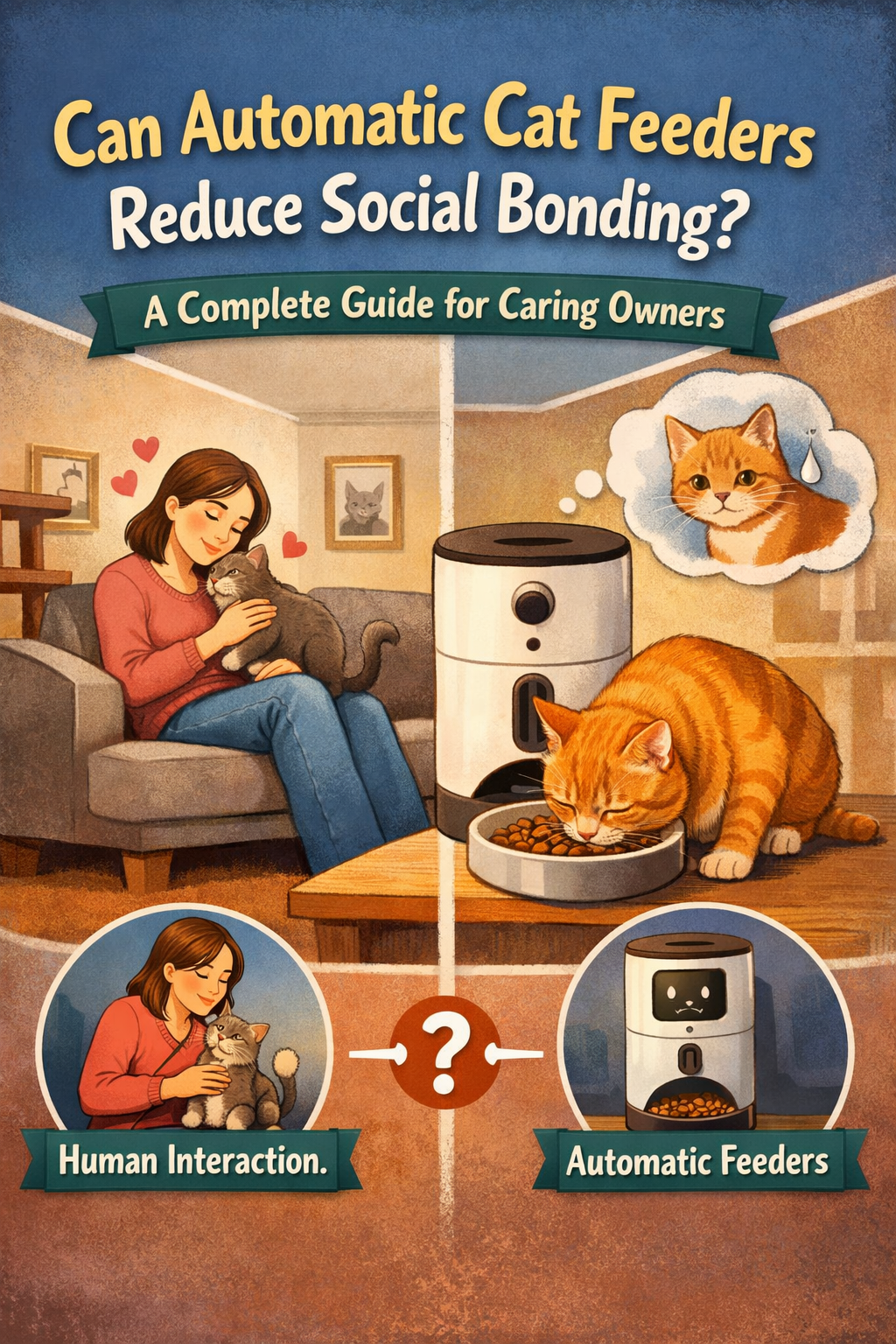
Pro Tip: Use an automatic feeder to maintain consistency, especially if you’re not home during mealtimes.
2. Remove Temptation
Cats can’t steal food if they can’t reach it.
- Never leave food unattended on counters or tables.
- Store leftovers in airtight containers.
- Clean counters thoroughly to remove tempting food smells.
- Keep the kitchen off-limits during meal prep or dining time.
Use baby gates or closed doors to block access to the dining area if necessary.
3. Create a Cat Feeding Zone
Train your cat to eat and stay in their own designated space during mealtimes.
- Use a cat mat or feeding station in a specific area of the house.
- Reward them with treats or affection when they remain in their feeding zone.
- Avoid feeding them scraps from the table. This only encourages begging and stealing.
4. Provide Mental and Physical Stimulation
A mentally and physically stimulated cat is less likely to misbehave out of boredom.
- Use interactive toys, puzzle feeders, and catnip to keep them engaged.
- Play with your cat daily using toys like feather wands or laser pointers.
- Consider cat furniture like climbing trees and scratching posts.
5. Training Techniques
Cats can be trained, contrary to popular belief. Here are some ways to discourage food theft:
a. Clicker Training
- Use a clicker to reinforce good behavior. Reward your cat for staying off the table or ignoring food.
- Over time, your cat will associate “staying away” with a positive outcome.
b. “Off” Command
- Use a firm “off” or “no” when your cat tries to jump on the table.
- Gently remove them and place them in their designated area.
- Be consistent, and avoid yelling or punishing them physically.
6. Deterrents That Work
Cats dislike certain textures and smells. Use them to your advantage.
- Double-sided tape on countertops can deter jumping.
- Aluminum foil or plastic carpet runners (spikes side up) can be uncomfortable for paws.
- Citrus scents (orange, lemon) often repel cats—spray lightly around food areas (but not on the food!).
7. Use Technology
If your cat is especially sneaky, tech can help:
- Motion-activated sprays can startle cats away from forbidden areas.
- Pet cameras let you monitor your cat while you’re away.
- Automatic feeders with RFID only open for the intended cat, great for multi-cat homes.
8. Address Underlying Health Issues
If food stealing is a sudden or extreme change in behavior, consult a vet.
- Get your cat checked for worms, thyroid problems, or other health concerns.
- A vet can help determine if the behavior is linked to a medical issue or diet deficiency.
What NOT to Do
- Don’t punish your cat by hitting or yelling—it damages trust and causes stress.
- Don’t feed table scraps, even as a treat—it reinforces the idea that human food is fair game.
- Don’t use dangerous deterrents, like cayenne pepper or harsh chemicals.
Dealing with Specific Situations
Here are some quick tips for common scenarios:
– Your cat jumps on the table during meals:
Use the “off” command, and provide a separate space (like a perch or bed) near the table. Give treats when they stay put.
– Your cat raids the trash:
Use a trash can with a secure lid or keep it inside a cabinet. Sprinkle a bit of white vinegar in the bin to deter the smell.
– Your cat steals food from other pets:
Feed pets in separate rooms or use microchip-activated feeders.
Be Patient, Be Consistent
Changing a cat’s behavior takes time, patience, and consistency. Your cat won’t become a model dinner guest overnight, but with repetition and positive reinforcement, most cats can learn to leave your food alone.
Final Thoughts
Cats stealing food may seem like a harmless or even humorous quirk, but it can lead to serious health issues and behavioral problems if not addressed. The key is to understand why it’s happening, eliminate temptations, and consistently reinforce better habits.
By feeding your cat properly, enriching their environment, setting boundaries, and staying patient, you can teach your cat that stealing food is off the table—literally.
Have a sneaky food thief at home? Share your funniest (or most frustrating) cat food stories in the comments below! And don’t forget to subscribe for more expert tips on feline behavior.







 Fresh Cat News: Trusted Updates for Cat Lovers & Responsible Owners
Do you found this guide useful, please leave a comment.