
Is your cat bouncing off the walls at 3 AM? Hyperactivity in cats can be exhausting for both pets and owners. While some energy is normal, excessive hyperactivity may signal boredom, stress, or underlying health issues.
In this 2,000-word guide, you’ll learn:
✔️ Why your cat is hyperactive
✔️ Proven ways to calm them down
✔️ When to seek veterinary help
✔️ Long-term solutions for a happier, more relaxed cat
Let’s dive in!
Why Is My Cat So Hyper? Common Causes
Before trying to calm your cat, it’s important to understand why they’re hyper in the first place. Common reasons include:
1. Natural Instincts & Playfulness
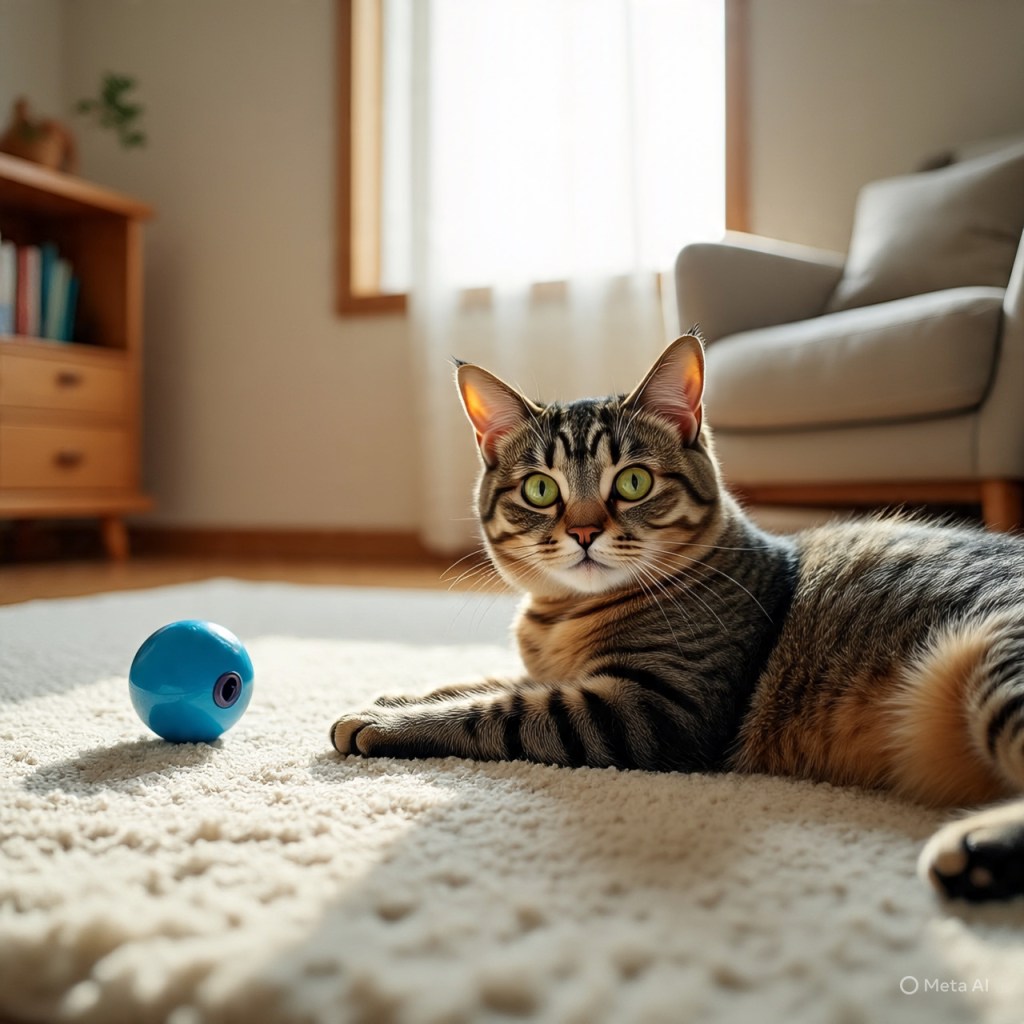
Cats are predators by nature, and bursts of energy (often called “zoomies”) are normal, especially in kittens and young cats.
2. Boredom & Lack of Stimulation
A cat with no toys, scratching posts, or interaction may resort to hyperactivity to burn off energy.
3. Excess Energy from Inactivity
Indoor cats, in particular, may become hyper if they don’t get enough exercise.
4. Stress or Anxiety
Changes in routine, new pets, or loud noises can trigger hyperactivity as a coping mechanism.
5. Diet & Health Issues
Certain foods (high in carbs or fillers) can spike energy levels. Hyperactivity can also indicate hyperthyroidism, pain, or neurological issues.
12 Proven Ways to Calm a Hyperactive Cat
Now, let’s explore the best strategies to help your cat relax.
1. Engage in Interactive Play Sessions
Cats need at least 15-30 minutes of active play daily. Use:
- Wand toys (feathers, strings)
- Laser pointers (avoid shining in eyes)
- Puzzle toys with treats
Pro Tip: End play sessions with a small meal to mimic a “hunt-eat-sleep” cycle.
2. Provide Environmental Enrichment
- Cat trees & perches (for climbing)
- Window perches (for bird-watching)
- Scratching posts (to release energy)
3. Establish a Routine
Cats thrive on predictability. Feed, play, and cuddle at the same times daily.
4. Use Calming Pheromones
Feliway diffusers mimic natural cat pheromones, reducing stress and hyperactivity.
5. Try Calming Treats & Supplements
Look for ingredients like:
✔️ L-theanine (reduces anxiety)
✔️ Chamomile (natural relaxant)
✔️ CBD oil for cats (consult a vet first)
6. Provide Safe Outdoor Time
If possible, use a catio (cat patio) or harness training for supervised outdoor exploration.
7. Use White Noise or Soft Music
Loud noises can stress cats. Try calming music or white noise machines.
8. Avoid Punishment (It Makes It Worse!)
Yelling or spraying water can increase anxiety. Instead, redirect energy with toys.
9. Feed a High-Protein, Balanced Diet
Low-quality food with fillers can cause energy spikes. Opt for high-protein, grain-free options.
10. Consider a Companion (Sometimes)
Some cats benefit from a playmate, but introductions should be gradual.
11. Create a Safe, Quiet Space
A cozy bed in a low-traffic area can help an overstimulated cat relax.
12. Consult a Vet if Hyperactivity is Extreme
If your cat is destructive, aggressive, or hyper at all hours, a vet can check for:
- Hyperthyroidism
- Pain or arthritis
- Neurological conditions
When to Worry: Signs Your Cat’s Hyperactivity Isn’t Normal
While zoomies are normal, watch for these red flags:
🔴 Aggression (biting, hissing)
🔴 Excessive vocalization (constant meowing)
🔴 Destructive behavior (scratching furniture obsessively)
🔴 Pacing or restlessness at night
If these persist, a vet or feline behaviorist can help.
Long-Term Solutions for a Calmer Cat
1. Increase Daily Exercise
- Scheduled playtimes (morning & evening)
- Automatic toys (for when you’re away)
2. Mental Stimulation is Key
- Food puzzles
- Training sessions (yes, cats can learn tricks!)
3. Stick to a Consistent Routine
Cats feel secure with predictability.
4. Spay/Neuter Your Cat (If Not Already)
Unfixed cats tend to be more hyper and restless.
Final Thoughts
A hyperactive cat isn’t necessarily a problem—it’s often a sign of pent-up energy or boredom. By providing proper play, enrichment, and routine, most cats will naturally calm down.
However, if hyperactivity seems excessive or paired with aggression, a vet checkup is wise.
Key Takeaways
✅ Play daily with interactive toys
✅ Provide climbing & scratching outlets
✅ Use calming aids (pheromones, treats)
✅ Stick to a routine for security
✅ See a vet if behavior is extreme
With patience and the right approach, you can help your feline friend find their inner zen!
Did this guide help? Share it with fellow cat lovers! 🐱💙
#CalmCat #HyperactiveCat #CatBehavior #PetCareTips






 Fresh Cat News: Trusted Updates for Cat Lovers & Responsible Owners
Do you found this guide useful, please leave a comment.