
Rescuing cats in Florida requires knowledge, patience, and the right resources. Whether you’re dealing with stray, feral, or abandoned cats, this guide will walk you through the most effective and humane ways to help them.
Table of Contents
- Understanding the Cat Population in Florida
- Identifying Stray vs. Feral Cats
- Preparing for a Rescue
- Safe Trapping Techniques
- Temporary Care & Shelter
- Finding Veterinary Help
- Rehoming & Adoption Strategies
- Working with Florida Rescue Organizations
- Legal Considerations
- Long-Term Solutions: TNR (Trap-Neuter-Return)
- How You Can Help Beyond Rescue
1. Understanding the Cat Population in Florida
Florida’s warm climate and urban sprawl make it a hotspot for stray and feral cats. Many cats are abandoned due to:
- Owner surrenders (moving, financial issues)
- Uncontrolled breeding (lack of spay/neuter programs)
- Natural disasters (hurricanes displacing pets)
Organizations like the Humane Society of Florida and local rescues work tirelessly, but community involvement is crucial.
2. Identifying Stray vs. Feral Cats
Before rescuing, determine if the cat is stray (lost or abandoned) or feral (wild, unsocialized). CharacteristicStray CatFeral CatSocial Behavior May approach humans Avoids humans, hisses/growls Body Language Relaxed, may meow Tense, crouched, defensive Appearance Clean, possibly collared Scruffy, unkempt Vocalization Meows, purrs Rarely meows, may yowl
Strays can often be rehomed, while ferals may need TNR (Trap-Neuter-Return).
3. Preparing for a Rescue
Essential Supplies:
- Humane trap (Tomahawk or Havahart)
- Thick gloves (for safety)
- Carrier or secure box
- Blankets/towels (to calm the cat)
- Food & water (wet food works best as bait)
- First-aid kit (for minor injuries)
Safety Tip: Never attempt to grab a scared cat barehanded—bites/scratches can lead to infections.
4. Safe Trapping Techniques
Step-by-Step Trapping Guide:
- Set the trap in a quiet area where the cat frequents.
- Bait with strong-smelling food (tuna, sardines, or wet cat food).
- Cover the trap with a towel to make it less intimidating.
- Monitor from a distance to avoid scaring the cat.
- Secure the trap immediately once the cat enters.
Pro Tip: For feral cats, use a drop trap if they’re too wary of standard traps.
5. Temporary Care & Shelter
Once trapped, provide:
- A quiet, confined space (bathroom or large crate)
- Litter box (use non-clumping litter to avoid ingestion)
- Food & water (avoid cow’s milk—it causes diarrhea)
- Hiding spots (cardboard boxes reduce stress)
Note: Feral cats may take days to calm down—limit direct interaction.
6. Finding Veterinary Help
Florida has low-cost clinics for rescues:
- SPCA Florida (Lakeland)
- Humane Society of Tampa Bay
- Alachua County Animal Services (Gainesville)
Key Services Needed:
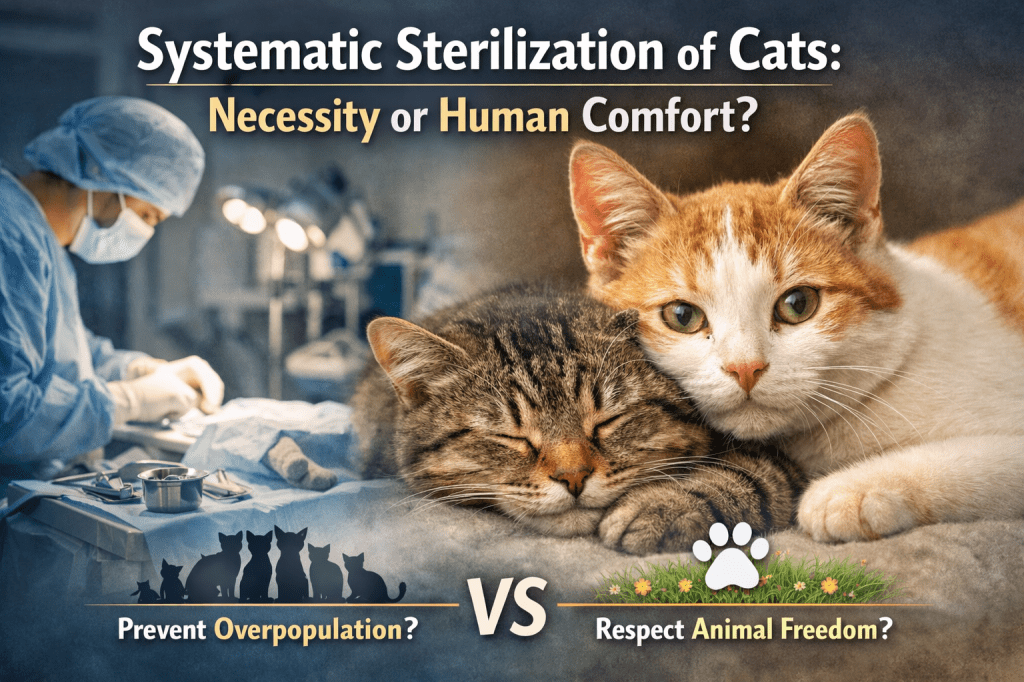
✔ Spay/neuter (prevents overpopulation)
✔ Vaccinations (rabies, FVRCP)
✔ Flea/tick treatment
✔ Microchipping (if rehoming)
Emergency Tip: If the cat is injured, contact Florida Animal Rescue groups for immediate assistance.
7. Rehoming & Adoption Strategies
For Friendly (Stray) Cats:
- Post on PetFinder, Adopt-a-Pet, or Facebook groups (e.g., Florida Lost & Found Pets).
- Screen adopters carefully (ask for vet references, home checks).
- Use foster networks if you can’t hold the cat long-term.
For Feral Cats:
- Return to their colony after TNR (they’re not adoptable but can live safely outdoors).
- Find barn placements (some farms accept feral cats for rodent control).
8. Working with Florida Rescue Organizations
Many groups assist with rescues:
- Operation Catnip (Gainesville) – Free TNR services
- Cat Network Inc. (Miami) – Support for community cats
- Jacksonville Humane Society – Adoption & medical aid
How to Collaborate:
✔ Foster for them (they often need temporary homes).
✔ Volunteer for TNR programs.
✔ Donate supplies or funds.
9. Legal Considerations
- Florida Statute 828.12 – Abandoning animals is a felony.
- Local ordinances vary—some counties require permits for TNR.
- HOA rules may restrict feeding outdoor cats (check first).
Always:
✔ Report animal cruelty to Florida Animal Control.
✔ Ensure you’re not accidentally taking someone’s outdoor cat (check for microchips).
10. Long-Term Solutions: TNR (Trap-Neuter-Return)
TNR is the most effective way to control feral cat populations:
- Trap the cat humanely.
- Neuter/spay at a low-cost clinic.
- Return to their territory (with an ear-tip for identification).
Benefits:
✔ Reduces fighting/yowling.
✔ Prevents endless breeding cycles.
✔ Saves taxpayer money (fewer euthanasias in shelters).
Florida TNR Resources:
- Feral Freedom Program (Jacksonville)
- Miami-Dade Animal Services TNR
11. How You Can Help Beyond Rescue
- Advocate for spay/neuter laws in your county.
- Educate neighbors about TNR benefits.
- Support local shelters with donations or volunteering.
- Foster kittens during peak breeding seasons (spring/summer).
Final Thoughts
Rescuing cats in Florida is a community effort. Whether you’re trapping a stray, fostering kittens, or supporting TNR programs, every action helps reduce suffering. By following this guide, you’re making a real difference in the lives of Florida’s feline population.
Need immediate help? Contact:
- Florida Animal Control Hotline: (855) 352-9347
- ASPCA Poison Control: (888) 426-4435
Together, we can create a safer future for Florida’s cats! 🐱💙
This guide ensures your rescue efforts are effective, humane, and sustainable. If you have liked this post, leave a comment and Share it to help others make an impact!



 Fresh Cat News: Trusted Updates for Cat Lovers & Responsible Owners
Do you found this guide useful, please leave a comment.