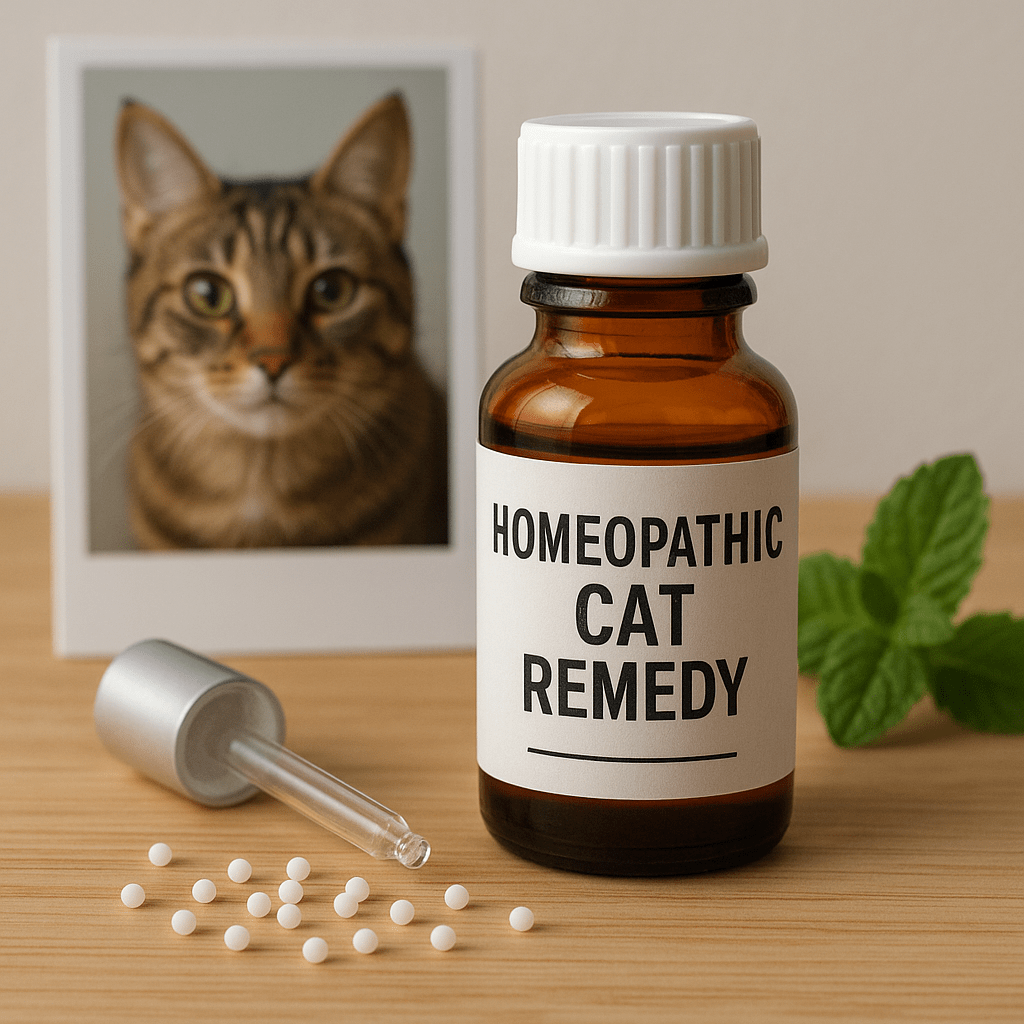
As pet owners, we always want the best for our feline friends. While conventional medicine is effective, many cat lovers are turning to homeopathic remedies as a gentle, natural alternative. Homeopathy can help treat various conditions like stress, digestive issues, allergies, and more—without harsh side effects.
In this comprehensive guide, we’ll explore:
✅ What homeopathy is and how it works for cats
✅ Common feline ailments and their homeopathic treatments
✅ Dosage and safety tips
✅ Helpful video resources for visual learners
Let’s dive in!
What Is Homeopathy and How Does It Work for Cats?
Homeopathy is a holistic healing system developed in the late 1700s by Dr. Samuel Hahnemann. It’s based on the principle of “like cures like”—meaning a substance that causes symptoms in a healthy individual can, in highly diluted form, treat similar symptoms in a sick one.
Key Benefits of Homeopathy for Cats:
✔ Non-toxic and gentle (safe for kittens and senior cats)
✔ Minimal side effects (unlike some pharmaceuticals)
✔ Supports the body’s natural healing process
✔ Can be used alongside conventional treatments
Top Homeopathic Remedies for Common Cat Ailments
1. Stress & Anxiety (Moving, New Pets, Loud Noises)
Cats are sensitive creatures, and stress can lead to hiding, excessive grooming, or aggression.
Best Remedies:
- Aconitum Napellus (Aconite) – For sudden fright (fireworks, vet visits).
- Ignatia Amara – For grief (loss of a companion or owner).
- Argentum Nitricum – For travel anxiety (car rides).
2. Digestive Issues (Vomiting, Diarrhea, Constipation)
Cats often suffer from upset stomachs due to diet changes or hairballs.
Best Remedies:
- Nux Vomica – For vomiting or constipation from overeating.
- Arsenicum Album – For food poisoning or diarrhea with weakness.
- Pulsatilla – For indigestion from rich or fatty foods.
3. Urinary Tract Infections (UTIs) & Bladder Issues
Frequent urination, straining, or blood in urine could signal a UTI or FLUTD (Feline Lower Urinary Tract Disease).
Best Remedies:
- Cantharis – For burning pain and frequent urination.
- Apis Mellifica – For swelling and discomfort.
- Berberis Vulgaris – For kidney-related urinary issues.
4. Skin Allergies & Itching (Flea Bites, Rashes)
Cats with allergies may scratch excessively, lose fur, or develop sores.
Best Remedies:
- Sulphur – For itchy, dry skin with redness.
- Rhus Tox – For allergic dermatitis and hot spots.
- Graphites – For crusty or oozing skin conditions.
5. Arthritis & Joint Pain (Senior Cats)
Older cats often suffer from stiffness, limping, or difficulty jumping.
Best Remedies:
- Rhus Tox – For stiffness that improves with movement.
- Bryonia – For pain worsened by movement.
- Arnica Montana – For soreness after injury or overexertion.
How to Administer Homeopathic Remedies to Cats
Homeopathic remedies come in tiny pellets, liquids, or creams. Here’s how to give them safely:
✔ Pellets – Dissolve in water or place directly in the mouth (avoid touching with hands).
✔ Liquid Dilutions – Mix with food or water.
✔ Frequency – Acute issues: Every 30 mins to 2 hours. Chronic issues: 1-3 times daily.
⚠ Important: Always consult a veterinary homeopath for proper dosing.
When to Avoid Homeopathy & Seek a Vet
While homeopathy is safe, some conditions require immediate veterinary care, such as:
🚨 Severe injuries or trauma
🚨 Difficulty breathing
🚨 Persistent vomiting/diarrhea (risk of dehydration)
🚨 Suspected poisoning
Final Thoughts: Is Homeopathy Right for Your Cat?
Homeopathic remedies can be a wonderful complementary therapy for cats, offering gentle relief for many common issues. However, they should not replace urgent veterinary care when needed.
Have you tried homeopathy for your cat? Share your experiences in the comments!







 Fresh Cat News: Trusted Updates for Cat Lovers & Responsible Owners
Do you found this guide useful, please leave a comment.