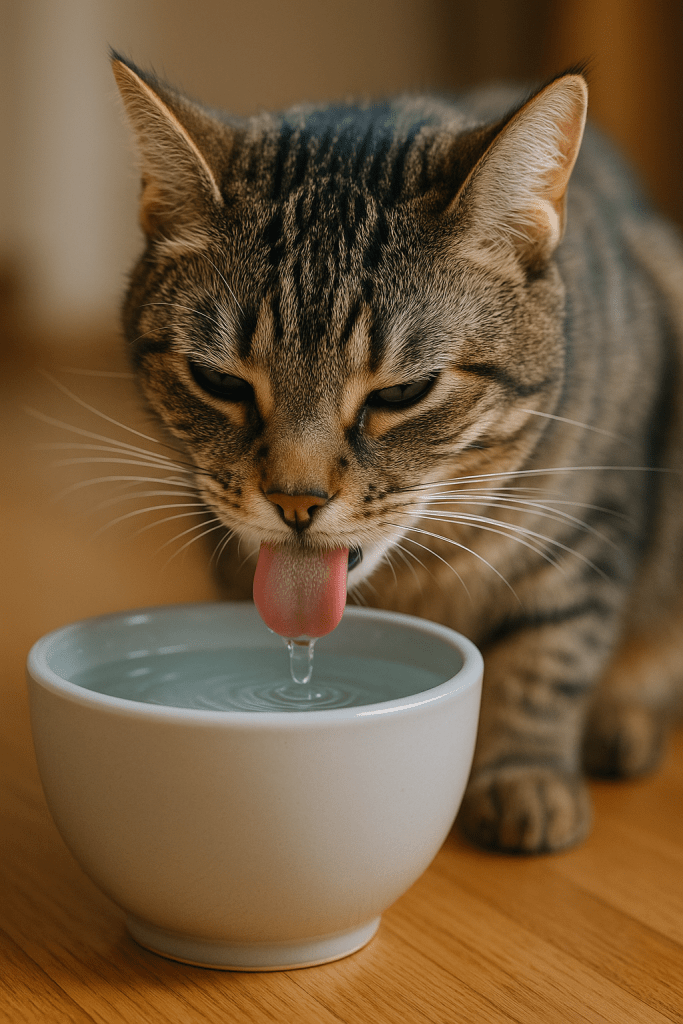
Proper hydration is essential for your cat’s overall health, yet many pet owners overlook this critical aspect of feline care. Cats have a low thirst drive by nature, which can lead to dehydration and related health issues like urinary tract infections (UTIs) and kidney disease.
In this comprehensive guide, we’ll explore:
✅ How much water cats need daily
✅ Signs of dehydration in cats
✅ Best ways to encourage hydration
✅ Wet food vs. dry food for moisture intake
✅ Choosing the right water bowl or fountain
By the end, you’ll have actionable tips to ensure your cat stays properly hydrated.
Why Hydration is Crucial for Cats
Cats are descendants of desert-dwelling ancestors, meaning they evolved to get most of their moisture from prey rather than drinking standing water. Modern domestic cats, however, often eat dry kibble, which contains only 10% moisture compared to 70-80% in wet food.
Health Risks of Dehydration in Cats
- Urinary Tract Infections (UTIs) & Feline Lower Urinary Tract Disease (FLUTD) – Concentrated urine increases the risk of crystals and blockages.
- Chronic Kidney Disease (CKD) – Older cats are especially prone to kidney issues, and dehydration worsens the condition.
- Digestive Problems – Lack of water can lead to constipation and sluggish digestion.
According to VCA Hospitals, water makes up 60-70% of a cat’s body weight, making hydration vital for organ function, circulation, and toxin removal.
How Much Water Does a Cat Need Daily?
The general rule is:
🐱 Cats need about 3.5–4.5 ounces of water per 5 pounds of body weight daily.
For example:
- A 10-pound cat should drink 7–9 ounces (about 1 cup) of water per day.
However, cats eating wet food get a significant portion of their water intake from their meals, while those on dry food need to drink more.
Factors Affecting a Cat’s Water Needs
- Diet (wet vs. dry food)
- Activity level
- Environmental temperature (warmer climates increase thirst)
- Health conditions (kidney disease, diabetes, hyperthyroidism)
Signs Your Cat May Be Dehydrated
Early detection of dehydration can prevent serious health complications. Watch for:
Mild to Moderate Dehydration Symptoms
- Loss of skin elasticity (Gently pinch the scruff—if it doesn’t snap back quickly, your cat may be dehydrated.)
- Dry, sticky gums
- Lethargy or reduced activity
- Sunken eyes
- Decreased appetite
Severe Dehydration (Requires Immediate Vet Attention)
- Panting or rapid breathing
- Extreme weakness
- Very tacky gums
- Little to no urination
If you suspect severe dehydration, contact your vet immediately.
How to Keep Your Cat Hydrated: 8 Practical Tips
1. Feed Wet Food for Higher Moisture Content
Wet food is 70-80% water, helping cats meet hydration needs naturally. Consider mixing wet and dry food if your cat prefers kibble.
🔗 Learn more about wet vs. dry food benefits from Cornell Feline Health Center.
2. Provide Fresh, Clean Water Daily
Cats are picky about water quality. Replace water at least once daily and wash bowls regularly to prevent bacterial growth.
3. Use a Cat Water Fountain
Many cats prefer running water because it’s instinctively fresher. A fountain like the Pioneer Pet Raindrop can encourage drinking.
4. Try Different Water Bowl Materials
Some cats dislike metal or plastic bowls. Ceramic or glass bowls may be more appealing.
5. Add Water to Dry Food
Soaking kibble in warm water or broth (no onions or garlic!) can increase moisture intake.
6. Offer Ice Cubes as a Fun Hydration Trick
Some cats enjoy batting ice cubes around and licking the melted water.
7. Place Multiple Water Bowls Around the House
Having several water stations (away from food and litter boxes) can remind your cat to drink.
8. Monitor Water Intake & Consult a Vet if Needed
If your cat suddenly drinks much more or less, it could indicate diabetes, kidney disease, or other issues.
Best Cat Hydration Products to Try
- Cat Water Fountains: Pioneer Pet Raindrop, Catit Flower Fountain
- Wet Food Options: Royal Canin Urinary Care, Purina Pro Plan Hydrating Formulas
- Hydration Supplements: Purina Hydra Care
Final Thoughts: Hydration is Key to a Healthy Cat
Since cats don’t always drink enough on their own, it’s up to pet owners to encourage proper hydration through diet, fresh water, and smart strategies like fountains and wet food.
🚨 Take Action Today:
✔ Switch to wet food or add water to dry kibble.
✔ Invest in a cat water fountain.
✔ Monitor for dehydration signs.
By prioritizing hydration, you can help prevent urinary issues, kidney disease, and keep your feline friend happy and healthy for years to come!
🔗 For more cat care tips, visit The Spruce Pets or ASPCA Pet Care.
FAQ: Cat Hydration Questions Answered
Q: Can cats drink milk instead of water?
A: No, most adult cats are lactose intolerant. Water is always the best choice.
Q: Why does my cat drink from the tap but not their bowl?
A: Running water is more appealing. Try a cat fountain!
Q: How can I tell if my cat is drinking enough?
A: Check for clear urine in the litter box and perform the skin elasticity test.
Q: Is bottled water better for cats?
A: Filtered tap water is usually fine, but avoid distilled water (lacks minerals).
By implementing these hydration strategies, you’ll help your cat avoid dehydration-related health problems and ensure they stay active and happy. Share this guide with fellow cat owners to spread awareness! 😺💧




 Fresh Cat News: Trusted Updates for Cat Lovers & Responsible Owners
Do you found this guide useful, please leave a comment.