Introduction
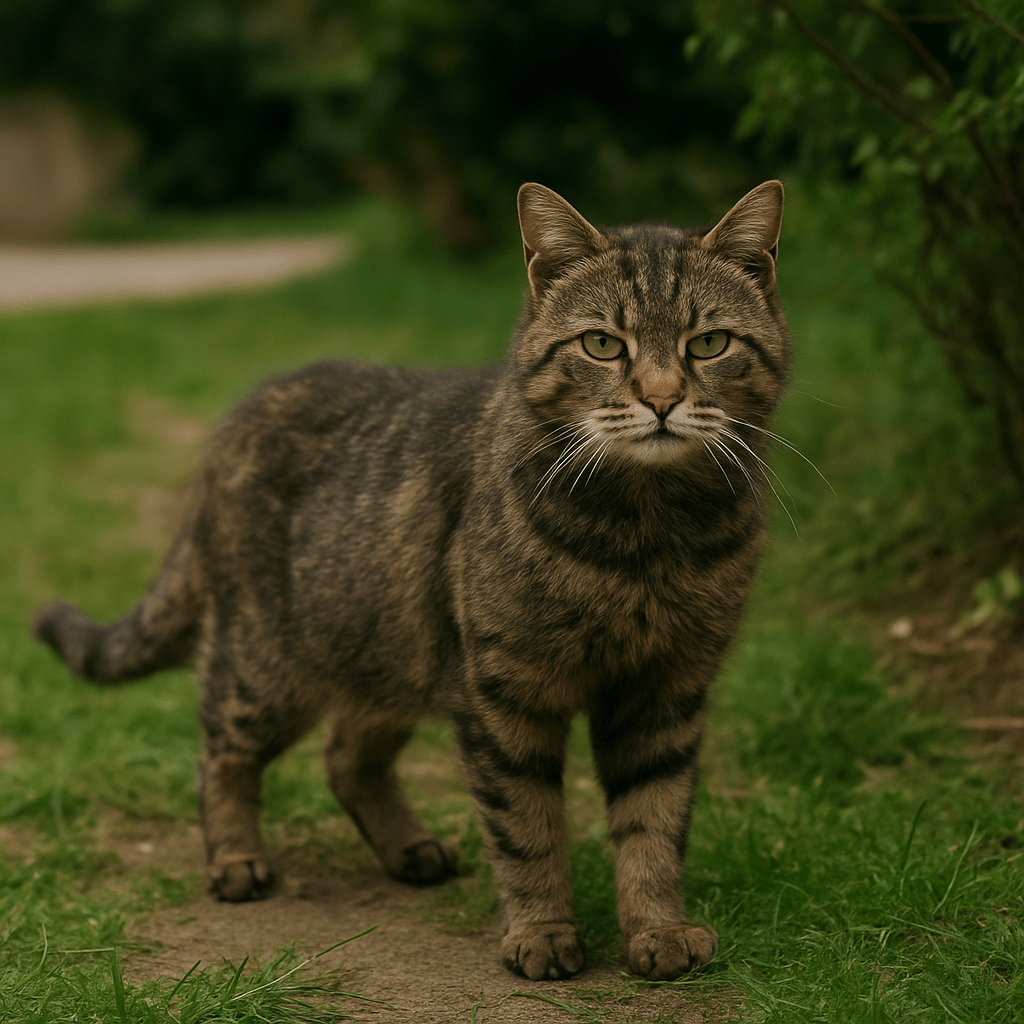
The question of whether cats should be allowed outdoors or kept strictly indoors is one of the most hotly debated topics among pet owners, veterinarians, and conservationists.
On one side, proponents of outdoor access argue that cats are natural explorers who thrive on freedom. On the other, advocates for indoor living highlight the dangers cats face outside—from traffic to predators—and the ecological damage they cause by hunting wildlife.
In this comprehensive guide, we’ll explore:
✔ The risks of letting cats roam freely outdoors
✔ The benefits of keeping cats indoors
✔ The impact of outdoor cats on wildlife
✔ Safe alternatives for outdoor enrichment
✔ Expert opinions from vets and conservationists
By the end, you’ll have the information needed to make the best decision for your feline friend.
The Risks of Free-Roaming Outdoor Cats
1. Traffic Accidents & Injury
Outdoor cats face constant danger from cars. Unlike dogs, cats don’t understand road safety, leading to tragic accidents. Studies show outdoor cats have significantly shorter lifespans (2-5 years vs. 12-15+ for indoor cats).
2. Predators & Attacks
Coyotes, foxes, birds of prey, and even loose dogs pose serious threats. Even in urban areas, fights with other cats can lead to severe injuries or disease transmission.
3. Poisoning & Toxins
Outdoor cats may ingest:
- Rodent poison
- Antifreeze (which tastes sweet but is lethal)
- Toxic plants (lilies, sago palms)
4. Disease & Parasites
Free-roaming cats are at higher risk for:
- Feline Leukemia (FeLV)
- Feline Immunodeficiency Virus (FIV)
- Rabies
- Fleas, ticks, and worms
5. Theft or Loss
Outdoor cats can be stolen, taken to shelters, or simply wander too far and get lost. Microchipping helps, but prevention is better.
The Case for Keeping Cats Indoors
1. Longer Lifespans
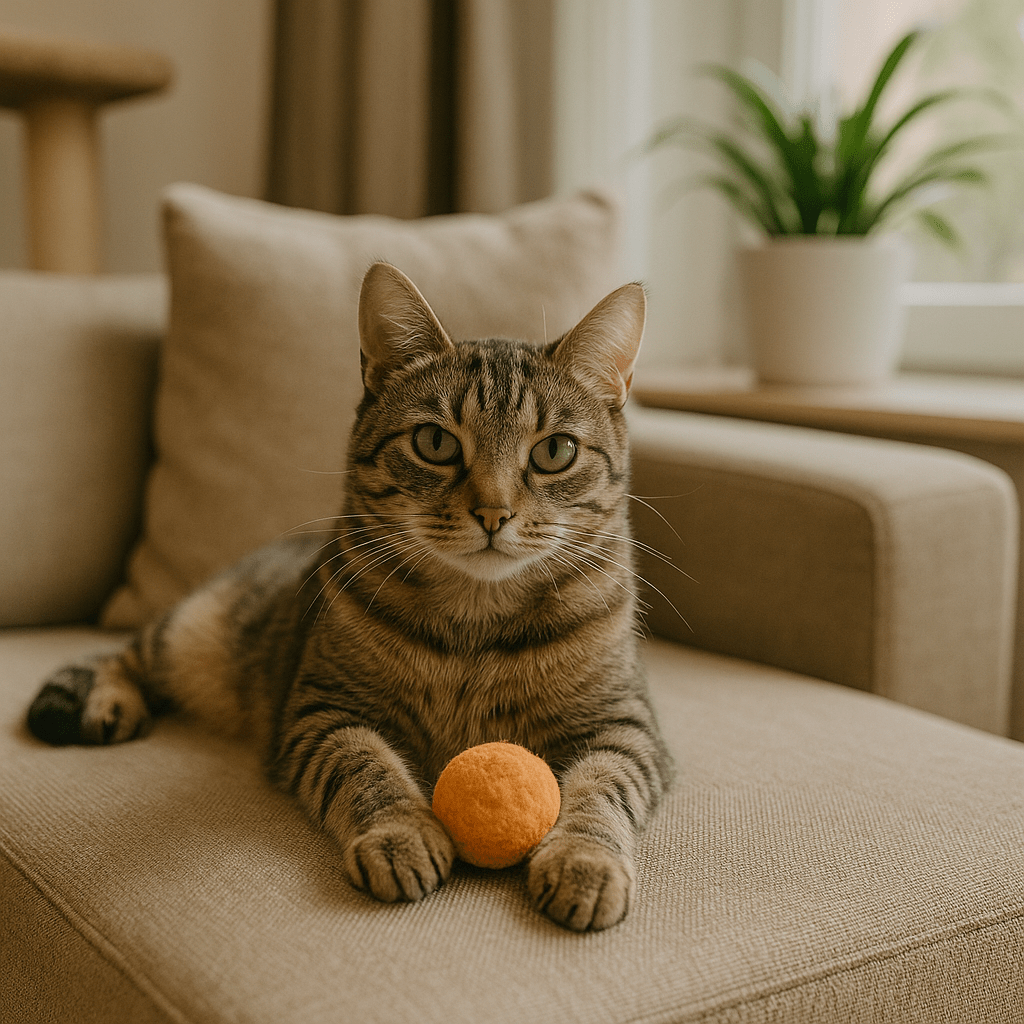
Indoor cats live 3 times longer on average than outdoor cats. With proper care, they can reach 15-20 years.
2. Lower Veterinary Costs
Fewer injuries, infections, and diseases mean fewer vet bills.
3. No Wildlife Harm
Outdoor cats kill billions of birds and small mammals annually, contributing to species decline.
4. Reduced Stress & Territorial Conflicts
Indoor cats avoid fights with other cats, reducing stress and injury risks.
5. Better for Neighborhood Relations
Roaming cats can:
- Dig in gardens
- Spray on property
- Disturb local wildlife
Keeping cats indoors prevents conflicts with neighbors.
The Impact of Outdoor Cats on Wildlife
1. Cats as Invasive Predators
Domestic cats are responsible for 63+ species extinctions (IUCN Red List). Even well-fed cats hunt instinctively.
2. Birds at Greatest Risk
In the U.S. alone, outdoor cats kill 2.4 billion birds yearly (Smithsonian study).
3. Disrupting Ecosystems
By preying on native species, cats can cause imbalances in local food chains.
4. Solutions for Responsible Ownership
- Keep cats indoors
- Use enclosed “catios”
- Supervised leash walks
- Bells on collars (though not fully effective)
Safe Alternatives for Outdoor Enrichment
1. Catios (Cat Patios)
Enclosed outdoor spaces allow cats to experience fresh air safely.
2. Leash Training
Some cats can be trained to walk on a harness (start young for best results).
3. Window Perches & Bird Feeders
Indoor cats enjoy watching birds from a secure vantage point.
4. Interactive Indoor Play
- Puzzle feeders
- Climbing trees
- Laser pointers & feather toys
What Do Experts Say?
Veterinarians’ Perspective
Most vets recommend keeping cats indoors due to health risks.
Wildlife Conservationists’ View
Organizations like the American Bird Conservancy advocate for indoor-only cats to protect ecosystems.
Middle-Ground Approach
Some suggest supervised outdoor time in controlled environments.
Final Verdict: Should Cats Be Allowed Outdoors?
Best Choice for Most Cats: Indoor Living with Enrichment
✔ Safer, healthier, and longer life
✔ Protects wildlife
✔ Reduces neighborhood issues
If You Must Let Your Cat Outside:
- Use a secure catio
- Supervise leash walks
- Avoid dusk/dawn (peak hunting times)
FAQ: Indoor vs. Outdoor Cats
Q: Can an outdoor cat become an indoor cat?
A: Yes! Transition slowly with enrichment to prevent boredom.
Q: Do indoor cats get depressed?
A: Not if given enough stimulation—play, climbing spaces, and interaction prevent boredom.
Q: Are some cat breeds better suited outdoors?
A: Some (like Bengals) are more active but still face the same risks.
Q: Do bells on collars stop cats from hunting?
A: They help but aren’t 100% effective—some cats learn to hunt silently.
Conclusion
While cats may enjoy the freedom of the outdoors, the risks to their safety and the environment make indoor living the best choice for most pet cats. With proper enrichment, indoor cats can live happier, longer lives without harming wildlife.
What’s your take? Do you let your cat outside? Share your thoughts in the comments!






 Fresh Cat News: Trusted Updates for Cat Lovers & Responsible Owners
Do you found this guide useful, please leave a comment.