
Introduction
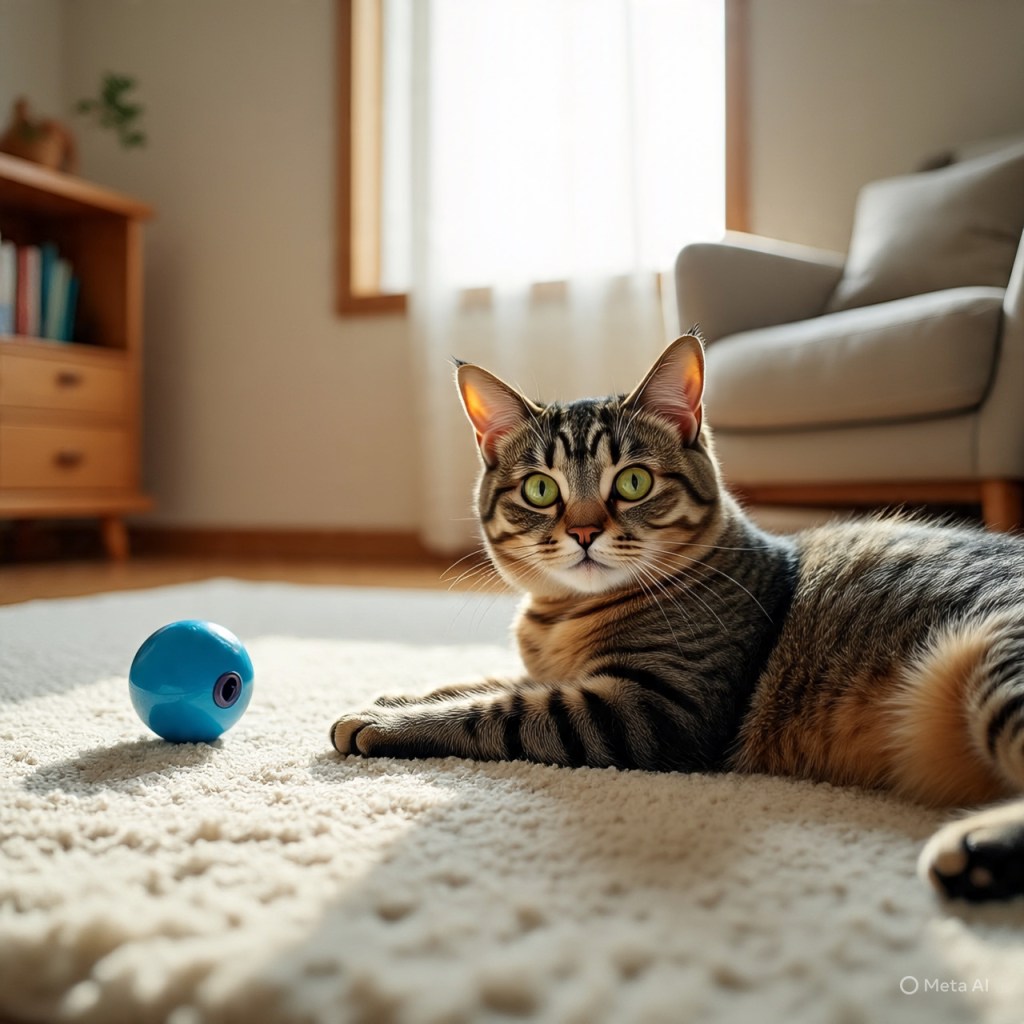
Domestic short-haired cats (DSH) are among the most popular feline companions due to their adaptable nature and low-maintenance coats. However, as we step into 2025, cat owners face new challenges in managing their pets. From evolving dietary needs to behavioral changes influenced by modern living, caring for a DSH cat requires updated knowledge and strategies.
In this comprehensive guide, we’ll explore the difficulties of managing a domestic short-haired cat in 2025 and provide actionable solutions to ensure your feline friend stays healthy and happy.
1. Changing Dietary Requirements in 2025
The Rise of Lab-Grown and Alternative Protein Cat Foods
With increasing awareness of sustainability, many pet food brands are shifting toward lab-grown meats and plant-based proteins. However, cats are obligate carnivores, meaning they require animal-based proteins to thrive.
Challenges:
- Some cats may reject synthetic or plant-based foods.
- Nutritional imbalances due to untested formulations.
- Higher costs of premium, biologically appropriate diets.
Solutions:
- Gradually introduce new foods mixed with familiar ones.
- Consult a veterinarian before switching to alternative proteins.
- Opt for high-quality, meat-first commercial diets.
Food Allergies and Sensitivities
Modern diets may contain novel ingredients that trigger allergies.
Solutions:
- Monitor for symptoms like itching, vomiting, or diarrhea.
- Stick to limited-ingredient diets if allergies arise.
2. Behavioral Issues in the Digital Age
Increased Anxiety Due to Smart Home Devices
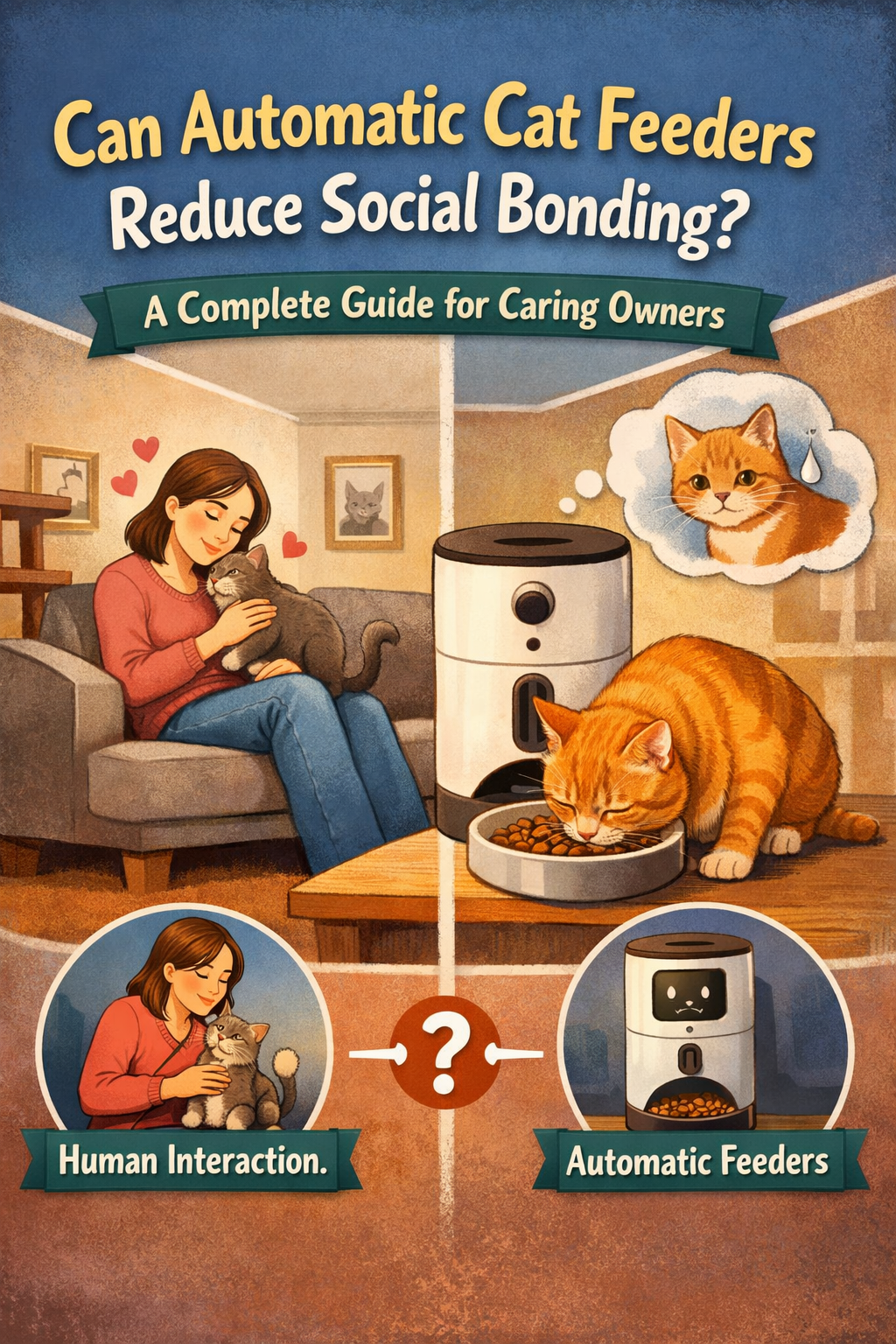
Smart home gadgets (robot vacuums, automatic feeders, AI-powered toys) can stress some cats.
Challenges:
- Fear of unfamiliar noises and movements.
- Overstimulation from constant activity.
Solutions:
- Introduce devices gradually.
- Provide safe hiding spots.
- Maintain a consistent routine.
Lack of Stimulation Leading to Destructive Behavior
With more people working remotely, cats may experience:
- Boredom from lack of interaction.
- Increased scratching and furniture damage.
Solutions:
- Interactive toys and puzzle feeders.
- Cat trees and scratching posts.
- Scheduled playtime (10-15 minutes, 2-3 times daily).
3. Health Concerns in 2025
New Feline Diseases and Mutating Viruses
Climate change and global travel may introduce new pathogens.
Challenges:
- Unknown illnesses with atypical symptoms.
- Increased vet costs for advanced diagnostics.
Solutions:
- Keep vaccinations up to date.
- Schedule annual wellness exams.
- Watch for unusual lethargy, appetite loss, or breathing issues.
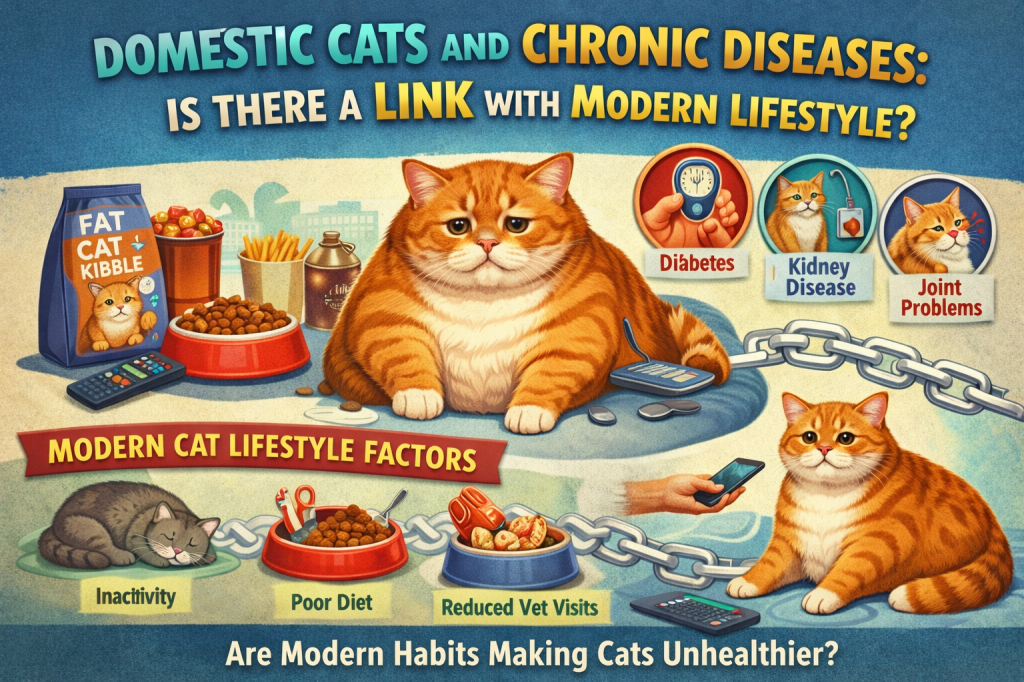
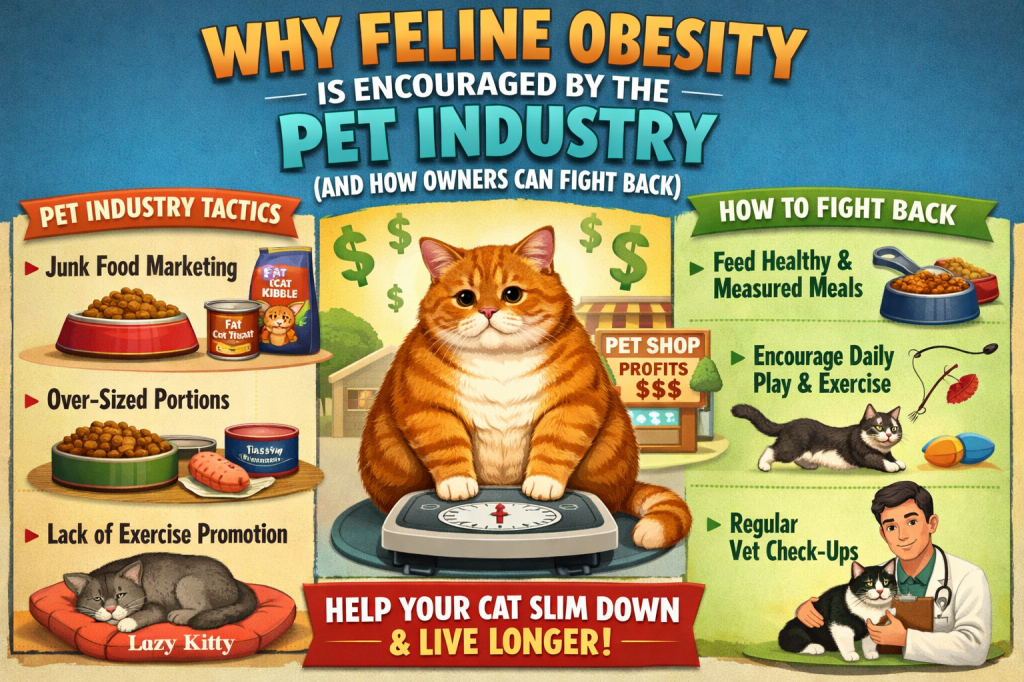
Obesity Epidemic in Indoor Cats
Sedentary lifestyles and overfeeding contribute to weight gain.
Solutions:
- Measure portions and avoid free-feeding.
- Use slow-feed bowls or food-dispensing toys.
- Encourage exercise with laser pointers and feather wands.
4. Grooming Challenges
Increased Shedding Due to Climate Changes
Rising temperatures may lead to heavier shedding.
Solutions:
- Brush your cat 2-3 times weekly.
- Use deshedding tools like the Furminator.
- Ensure proper hydration to support coat health.
Skin Conditions from Pollution and Allergens
Urban living exposes cats to more pollutants.
Solutions:
- Wipe your cat’s coat with a damp cloth after outdoor exposure.
- Use hypoallergenic shampoos if skin irritation occurs.
5. Socialization in a Multi-Pet Household
Introducing Cats to AI Pets and Robots
Some households now have robotic pets, which can confuse real cats.
Solutions:
- Supervise initial interactions.
- Reward calm behavior around robots.
Managing Multi-Cat Dynamics
With more adoptions, territorial disputes may increase.
Solutions:
- Provide separate feeding stations and litter boxes.
- Use Feliway diffusers to reduce tension.
6. The Cost of Cat Care in 2025
Rising Vet Bills and Pet Insurance
Advanced treatments mean higher expenses.
Solutions:
- Invest in pet insurance early.
- Set aside a monthly budget for vet visits.
Premium Cat Products and Subscriptions
From automated litter boxes to DNA-based diets, costs add up.
Solutions:
- Prioritize essential purchases.
- Look for subscription discounts.
Conclusion
Managing a domestic short-haired cat in 2025 comes with unique challenges, from dietary shifts to tech-induced stress. However, with proactive care, proper nutrition, and attention to behavioral needs, you can ensure a happy, healthy life for your feline companion.
Key Takeaways:
✔ Stick to high-protein, species-appropriate diets.
✔ Monitor new tech’s impact on your cat’s stress levels.
✔ Stay updated on emerging feline health risks.
✔ Invest in grooming and mental stimulation.
By adapting to these modern challenges, you’ll provide the best care for your domestic short-haired cat in 2025 and beyond.



 Fresh Cat News: Trusted Updates for Cat Lovers & Responsible Owners
Do you found this guide useful, please leave a comment.