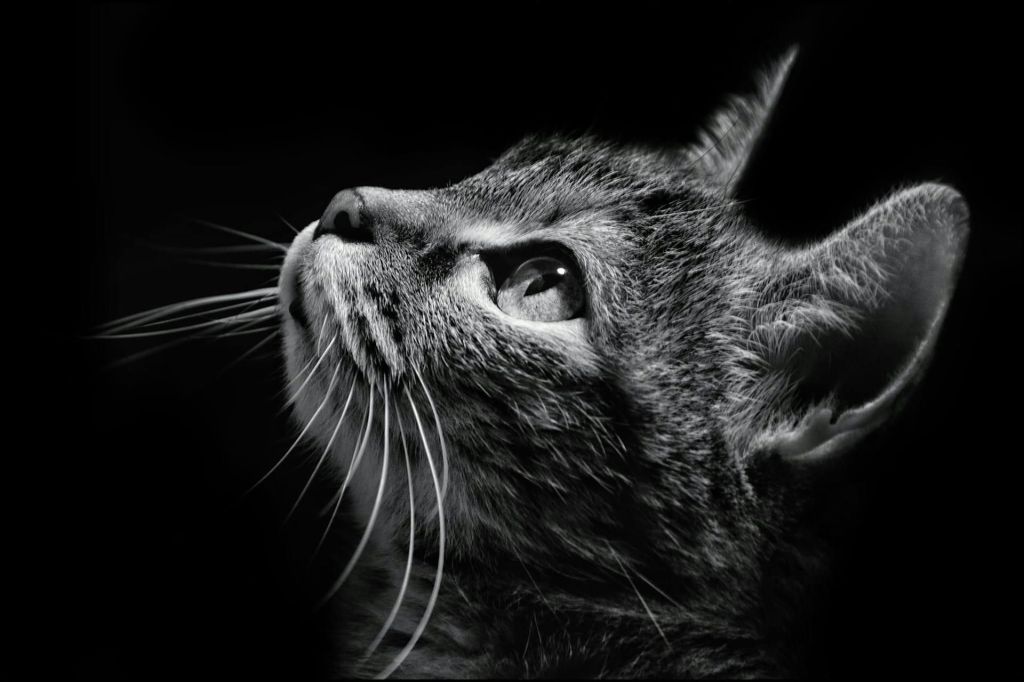
Cats are fascinating creatures, but their nighttime meowing can leave even the most patient pet owners exhausted. If your feline friend turns into a vocal night owl, you’re not alone. Understanding why cats meow at night is the key to restoring peace—and sleep—in your home.
In this 1,500-word guide, we’ll explore:
✔ The science behind cat meowing
✔ 6 major reasons cats vocalize at night
✔ Health concerns linked to excessive meowing
✔ Proven strategies to reduce nighttime noise
✔ When to see a vet
Let’s dive in!
1. The Science of Cat Meowing: How and Why Cats Communicate
Unlike dogs, cats don’t naturally “talk” to each other through meows. Instead, they’ve learned that humans respond to vocalizations, making meowing a form of manipulation (in a cute way!).
Key Facts About Cat Meowing:
- Kittens meow to their mothers, but adult cats rarely meow at each other.
- Each meow has a purpose—hunger, attention, discomfort, or stress.
- Some breeds (like Siamese) are naturally more vocal than others.
Now, let’s break down the top reasons your cat meows at night.
2. 6 Reasons Why Cats Meow at Night
Reason 1: Natural Hunting Instincts (Crepuscular Behavior)
Cats are crepuscular, meaning they’re most active at dawn and dusk. This stems from their wild ancestors, who hunted when prey was abundant but predators were less active.
What This Means for Your Cat:
- Midnight “zoomies” – Random bursts of energy at 3 AM.
- Chirping at shadows – Reacting to movement (even if imaginary).
- Bringing you “gifts” – A mouse toy at your bedside is a hunting trophy.
How to Fix It:
✅ Play with them before bed – Use wand toys to mimic hunting.
✅ Provide puzzle feeders – Stimulates their brain and tires them out.
Reason 2: They’re Seeking Attention
If your cat meows only when you’re in bed, they likely want interaction.
Why It Happens:
- You’re their favorite human, and they miss you.
- They’ve learned that meowing = you waking up (even if just to shush them).
How to Fix It:
✅ Ignore the meowing – Any reaction (even negative) reinforces it.
✅ Set up a cozy sleeping spot – A warm cat bed may distract them.
Reason 3: Hunger or Thirst
A growling stomach or dry water bowl can trigger late-night serenades.
Signs It’s Food-Related:
- Meowing near their food bowl
- Pawing at your face while you sleep
How to Fix It:
✅ Use an automatic feeder – Scheduled meals prevent begging.
✅ Leave out dry kibble – For cats who graze at night.
✅ Check water supply – A cat fountain encourages drinking.
Reason 4: Medical Issues (Don’t Ignore This!)
Excessive nighttime meowing can signal health problems, especially in older cats.
Possible Conditions:
- Hyperthyroidism – Increases metabolism and vocalization.
- Cognitive Dysfunction (Dementia) – Confusion leads to nighttime crying.
- Arthritis or Pain – Discomfort keeps them awake.
When to See a Vet:
🚨 Sudden increase in meowing
🚨 Changes in appetite or litter box habits
🚨 Visible signs of distress (pacing, excessive grooming)
Reason 5: Mating Calls (Unaltered Cats)
Unspayed females and unneutered males are far louder due to hormones.
What Happens:
- Females in heat – Loud, almost screaming-like yowls.
- Males responding – Roaming and yowling at doors/windows.
How to Fix It:
✅ Spay/neuter your cat – Reduces hormonal meowing by 90%.
✅ Keep them indoors at night – Prevents mating-related noise.
Reason 6: Stress or Environmental Changes
Cats are creatures of habit, and disruptions can cause anxiety.
Common Triggers:
- New pet or baby in the house
- Moving to a new home
- Stray cats outside the window
How to Fix It:
✅ Use Feliway diffusers – Calms anxiety with synthetic pheromones.
✅ Create a safe space – A quiet room with their bed and toys.
3. How to Stop Nighttime Meowing: 7 Proven Strategies
Now that we know the why, here’s the how to fix it.
1. Establish a Pre-Bed Routine
- Play for 15-20 minutes before bed to tire them out.
- Feed them a small meal to induce sleepiness.
2. Ignore Attention-Seeking Meows
- Do not respond (no talking, petting, or scolding).
- Reward quiet behavior in the morning with treats.
3. Use Automatic Feeders
- Scheduled meals prevent “starving cat” drama at 2 AM.
4. Provide Nighttime Enrichment
- Puzzle toys with treats inside.
- Cat TV (videos of birds for mental stimulation).
5. Block Outside Stimuli
- Close curtains to prevent seeing other cats.
- Use white noise to mask outdoor sounds.
6. Consider a Companion
- Some cats meow from loneliness—another cat might help.
7. Vet Check for Underlying Issues
- Rule out pain, thyroid problems, or dementia.
4. When to Worry: Signs Your Cat Needs a Vet
While most nighttime meowing is behavioral, some cases need medical attention.
🚩 Sudden increase in vocalization
🚩 Pacing, disorientation, or staring at walls (sign of dementia)
🚩 Weight loss, excessive thirst, or changes in appetite
🚩 Aggression or hiding
If you notice these, schedule a vet visit ASAP.
5. Final Thoughts: How to Enjoy Quiet Nights Again
Cats meow at night for many reasons—instinct, hunger, loneliness, or health issues. By identifying the cause and using targeted solutions, you can reduce (or even eliminate) nighttime noise.
Quick Recap:
✔ Play before bed to tire them out.
✔ Ignore attention-seeking meows to avoid reinforcement.
✔ Check for health issues if meowing is excessive.
✔ Spay/neuter if hormonal behavior is the cause.
Do your cats keep you up at night? Share your stories below!






 Fresh Cat News: Trusted Updates for Cat Lovers & Responsible Owners
Do you found this guide useful, please leave a comment.