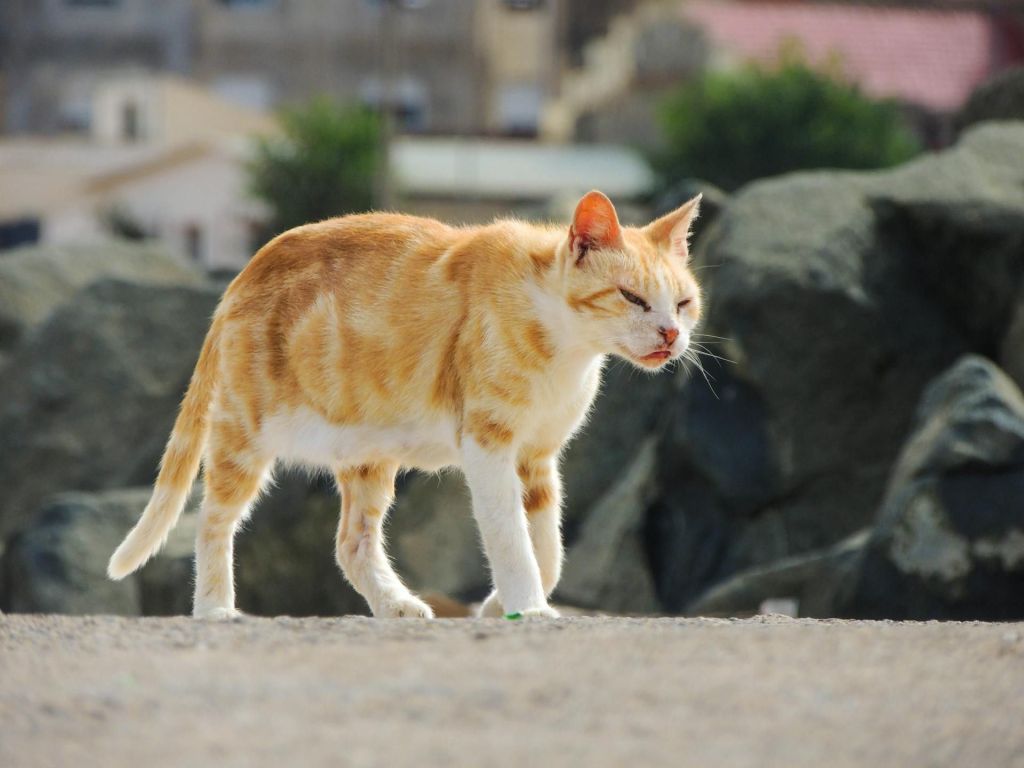
Stray and feral cats face numerous challenges, from hunger and disease to harsh weather conditions. As compassionate individuals, we can make a significant difference in their lives. This comprehensive guide covers practical ways to help stray and feral cats, including feeding, sheltering, Trap-Neuter-Return (TNR), and finding them forever homes.
Understanding Stray vs. Feral Cats
Before helping, it’s essential to distinguish between stray and feral cats:
- Stray Cats: These cats were once pets but were lost or abandoned. They may approach humans, meow, and seem comfortable around people.
- Feral Cats: Born in the wild or without human contact, they are fearful of people and typically avoid interaction.
Understanding their behavior helps determine the best approach to assist them.
1. Providing Food and Water
One of the most immediate ways to help is by offering food and clean water.
Best Practices for Feeding Stray & Feral Cats
- Choose Nutritious Food: Wet food is ideal for hydration, but dry kibble is more convenient for long-term feeding. Look for high-protein options.
- Set a Feeding Schedule: Consistency helps cats know when to return. Early morning or dusk is best since they’re most active then.
- Keep Water Fresh: Change water daily to prevent contamination. In winter, use heated bowls to prevent freezing.
- Avoid Overfeeding: Excess food can attract pests or other animals.
For more on cat nutrition, check out ASPCA’s Guide to Cat Nutrition.
2. Building Outdoor Shelters
Stray and feral cats need protection from extreme weather. A simple DIY shelter can save lives.
How to Make a Cat Shelter
- Use Insulated Materials: Styrofoam coolers or plastic bins lined with straw (not hay) work well.
- Keep It Small: A compact space retains heat better.
- Elevate the Shelter: Place it on bricks or pallets to avoid flooding.
- Two-Entry Option: In areas with predators, a second exit prevents trapping.
For step-by-step instructions, visit Alley Cat Allies’ Shelter Guide.
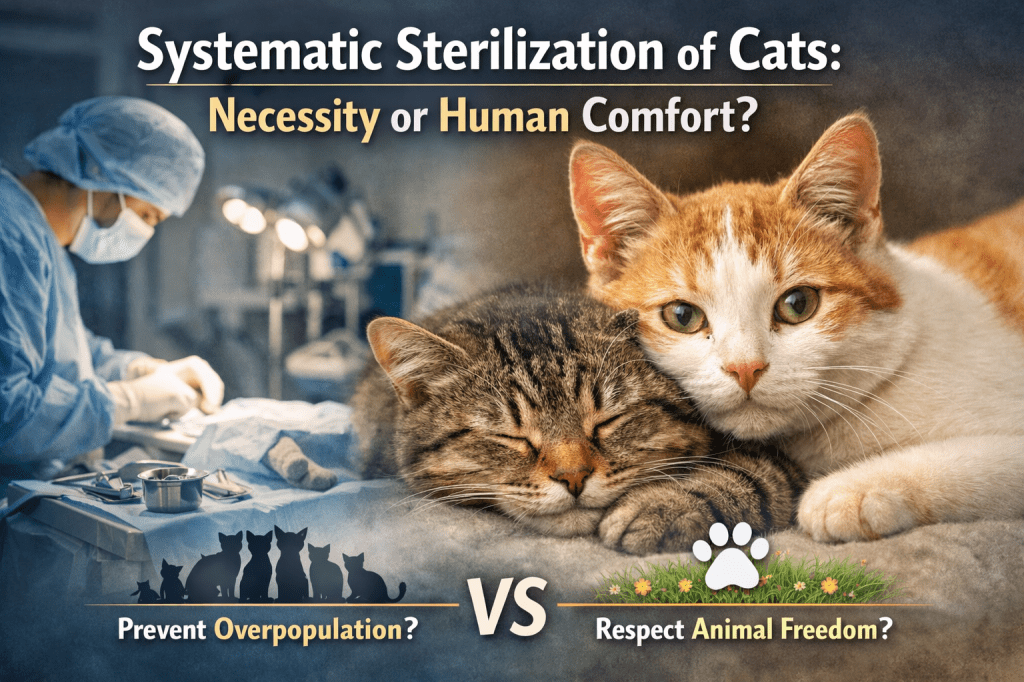
3. Trap-Neuter-Return (TNR): The Most Effective Solution
TNR is the humane way to control feral cat populations. It involves:
- Trapping cats safely using humane traps.
- Neutering/Spaying them to prevent more litters.
- Returning them to their territory (or adopting out friendly strays).
Why TNR Works
- Reduces Overpopulation: Prevents endless breeding cycles.
- Improves Cat Health: Eliminates mating-related stress and diseases.
- Decreases Nuisance Behaviors: Less yowling, spraying, and fighting.
Find a local TNR program via Neighborhood Cats.
4. Providing Medical Care
Stray and feral cats often suffer from untreated illnesses, parasites, or injuries.
Common Health Issues
- Fleas & Ticks: Use vet-approved treatments (never dog products).
- Upper Respiratory Infections: Symptoms include sneezing and discharge.
- Injuries: Abscesses from fights are common.
If you can’t afford vet care, contact groups like The Feral Cat Spay/Neuter Project.
5. Socializing Stray Kittens for Adoption
Friendly strays and young feral kittens (under 8 weeks) can often be socialized and adopted.
Steps to Socialize a Feral Kitten
- Isolate in a Quiet Space: A small room helps them feel secure.
- Use Food to Build Trust: Offer treats by hand.
- Gradually Introduce Touch: Start with gentle petting during meals.
- Expose to Human Sounds & Smells: Play soft music and sit near them.
For a detailed guide, visit Kitten Lady’s Socialization Tips.
6. Finding Homes for Adoptable Cats
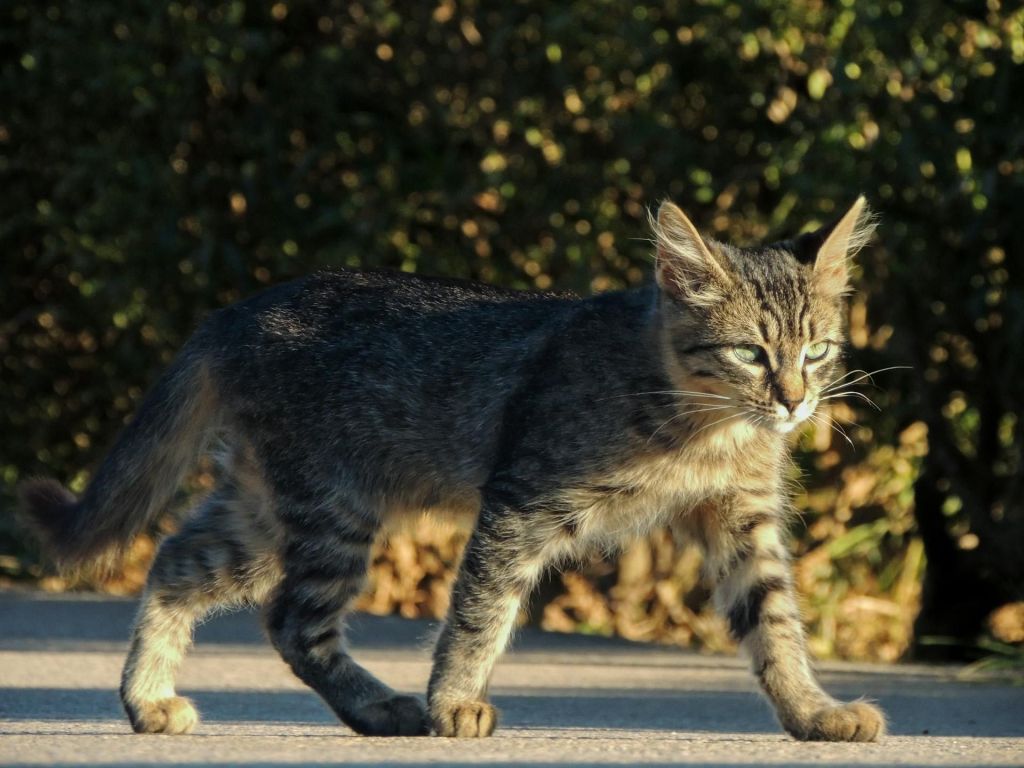
If a stray cat is friendly, consider finding it a permanent home.
How to Rehome a Cat Responsibly
- Check for a Microchip: A vet or shelter can scan for an owner.
- Post on Social Media & Pet Sites: Use Facebook groups, Nextdoor, or Petfinder.
- Screen Potential Adopters: Ask questions to ensure a safe home.
7. Advocating for Community Cats
Help change local policies to protect stray and feral cats.
Ways to Advocate
- Support TNR Programs: Push for local government funding.
- Educate Neighbors: Misinformation leads to unnecessary euthanasia.
- Volunteer with Rescue Groups: Foster, transport, or assist in TNR efforts.
Learn more at Humane Society’s Community Cat Resources.
Final Thoughts
Helping stray and feral cats requires patience and dedication, but every small effort improves their lives. Whether through feeding, TNR, or adoption, you can make a lasting impact.
Want to do more? Donate to or volunteer with organizations like:
Together, we can create a safer world for community cats.
Did you find this guide helpful? Share it to spread awareness! 🐱💕





 Fresh Cat News: Trusted Updates for Cat Lovers & Responsible Owners
Do you found this guide useful, please leave a comment.