
Introduction
Declawing cats has long been a controversial topic among veterinarians, pet owners, and animal welfare advocates. While some people view it as a simple solution to prevent scratching, the procedure is far more harmful than many realize. In recent years, many countries and U.S. states have imposed declawing bans or strict regulations due to ethical and health concerns.
In this comprehensive guide, we’ll explore:
- What declawing actually entails
- The physical and psychological effects on cats
- Current declawing laws by state and country
- Humane alternatives to declawing
- How to train your cat not to scratch furniture
By the end, you’ll understand why declawing limits are essential for feline welfare.
What Is Declawing? (It’s More Than Just Removing Nails)
Many people mistakenly believe declawing is a simple nail trim, but it’s actually a surgical amputation called onychectomy. The procedure involves removing the last bone of each toe, equivalent to cutting off a human finger at the first knuckle.
How Declawing Is Performed
- Traditional Scalpel Method – The vet cuts through tendons and bones.
- Laser Declawing – Uses a laser to remove the claw and bone (less bleeding but still painful).
- Guillotine Clipper Method – A blade quickly slices through the toe (less common today).
All methods cause long-term pain and potential complications, leading many experts to oppose the practice.
Why Declawing Is Harmful to Cats
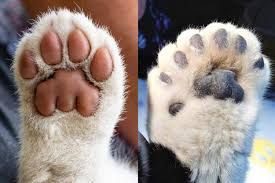
Declawing doesn’t just remove claws—it alters a cat’s anatomy and behavior in ways that can lead to lifelong issues.
1. Physical Health Risks
- Chronic Pain – Cats often develop arthritis or nerve damage.
- Infection & Bleeding – Improper healing can lead to serious infections.
- Lameness & Gait Changes – Removing toe bones affects balance and movement.
- Increased Biting – Without claws, cats may resort to biting as a defense mechanism.
2. Psychological & Behavioral Problems
- Litter Box Avoidance – Paw pain makes digging in litter uncomfortable.
- Anxiety & Aggression – Declawed cats may become more fearful or aggressive.
- Loss of Natural Behaviors – Scratching is instinctive for stretching and marking territory.
3. Long-Term Consequences
Many declawed cats end up in shelters because of behavioral issues, making them harder to adopt. Some countries classify declawing as animal cruelty.
Declawing Laws: Where Is It Banned or Restricted?
Due to growing awareness of its harms, many places have banned or restricted declawing.
U.S. States That Ban Declawing
- New York (First state to ban in 2019)
- Maryland (2022)
- California (Some cities like Los Angeles and San Francisco have bans)
- New Jersey (Pending legislation)
👉 Check your state’s declawing laws here (AVMA)
Countries That Ban Declawing
- United Kingdom
- Australia
- Germany
- Switzerland
- Brazil
- Israel (First country to ban nationwide)
Many veterinary associations, including the American Veterinary Medical Association (AVMA), discourage declawing except for rare medical reasons.
Humane Alternatives to Declawing
Instead of declawing, try these safe and effective alternatives:
1. Regular Nail Trimming
- Use cat-specific clippers.
- Trim every 2-3 weeks.
- How to Trim Your Cat’s Nails Safely (Humane Society)
2. Soft Nail Caps (Like Soft Paws)
- Vinyl caps glue over claws (last 4-6 weeks).
- Non-toxic and painless.
3. Scratching Posts & Pads
- Provide vertical and horizontal scratchers.
- Use catnip or treats to encourage use.
4. Training & Deterrents
- Redirect scratching to appropriate surfaces.
- Use double-sided tape or citrus sprays on furniture.
5. Feliway & Calming Products
- Helps reduce stress-related scratching.
How to Train Your Cat Not to Scratch Furniture

Training takes patience, but it’s far better than declawing.
Step-by-Step Training Guide
- Provide Multiple Scratching Surfaces (sisal, cardboard, carpet).
- Reward Good Behavior with treats or praise.
- Use Deterrents on off-limits furniture.
- Never Punish – Positive reinforcement works best.
📌 Best Scratching Posts for Cats (PetMD)
Conclusion: Why Declawing Should Be Avoided
Declawing is an outdated and inhumane practice with serious consequences. Thanks to growing awareness, more regions are implementing declawing bans to protect feline welfare.
Key Takeaways
✔ Declawing is amputation, not just nail removal.
✔ It leads to chronic pain, behavior issues, and long-term harm.
✔ Many U.S. states and countries have banned it.
✔ Humane alternatives (trimming, caps, scratching posts) work better.
If you love your cat, say no to declawing and explore kinder solutions.
🔗 Learn more about cat care:
By spreading awareness, we can help end unnecessary declawing and keep cats happy and healthy! 🐾






 Fresh Cat News: Trusted Updates for Cat Lovers & Responsible Owners
Do you found this guide useful, please leave a comment.