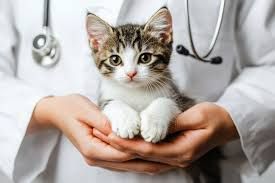
Keeping your indoor kitten healthy starts with a proper vaccination schedule. Even if your kitten never goes outside, certain vaccines are essential to protect them from preventable diseases. In this comprehensive guide, we’ll cover:
✅ Why indoor kittens need vaccines
✅ Core vs. non-core vaccines
✅ Kitten vaccination schedule
✅ Side effects & what to expect
✅ Tips for a stress-free vet visit
✅ Helpful video resources
Let’s dive in!
Why Do Indoor Kittens Need Vaccines?
Many cat owners assume indoor kittens don’t need vaccinations, but that’s a dangerous misconception. Here’s why:
- Accidental exposure: Your kitten could escape or come into contact with contaminated objects (shoes, bags, other pets).
- Boarding or grooming: If you ever need to board your cat, most facilities require up-to-date vaccines.
- Zoonotic risks: Some diseases (like rabies) can spread to humans.
- Immunity gaps: Maternal antibodies fade by 8-12 weeks, leaving kittens vulnerable.
Core Vaccines (Essential for All Kittens)
Vaccine Protects Against Recommended For Indoor Cats? FVRCP Feline Viral Rhinotracheitis, Calicivirus, Panleukopenia ✅ YESRabies Rabies virus (fatal to cats & humans) ✅ YES (Required by law in many areas)
Non-Core Vaccines (Based on Lifestyle Risk)
Vaccine Protects Against Recommended For Indoor Cats? FeLV Feline Leukemia Virus ❌ Only if exposed to other cats FIV Feline Immunodeficiency Virus ❌ Rarely needed for indoor cats
Indoor Kitten Vaccination Schedule

Here’s a general timeline, but always follow your vet’s advice:
6-8 Weeks Old
- First FVRCP shot (Feline distemper combo)
- Deworming & flea prevention
📹 Video Guide: Kitten’s First Vet Visit – What to Expect
10-12 Weeks Old
- Second FVRCP booster
- First FeLV shot (If at risk)
14-16 Weeks Old
- Final FVRCP booster
- Rabies vaccine (Required by law in most states)
📹 Video Guide: How to Hold a Kitten During Vaccination
1 Year Old
- Annual boosters (FVRCP & Rabies)
After the first year, some vaccines transition to every 1-3 years, depending on local laws and vet recommendations.
Common Vaccine Side Effects in Kittens
Most kittens handle vaccines well, but mild reactions can occur:
✔ Lethargy (lasts 24-48 hours)
✔ Mild fever
✔ Soreness at injection site
🚨 Seek emergency vet care if:
- Swelling around face/eyes
- Difficulty breathing
- Vomiting or diarrhea lasting over 24 hours
📹 Video Guide: Signs of Vaccine Reactions in Cats
5 Tips for a Stress-Free Kitten Vaccination Visit
- Carrier Training – Let your kitten get used to the carrier before the trip.
- Blanket with Familiar Scents – Reduces anxiety.
- Reward with Treats – Positive reinforcement helps!
- Schedule Early Appointments – Less crowded = less stress.
- Stay Calm – Kittens pick up on your energy.
📹 Video Guide: How to Calm a Scared Kitten at the Vet
FAQs About Indoor Kitten Vaccinations
1. Can my kitten go outside before full vaccination?
❌ No! Until fully vaccinated (around 16 weeks), avoid outdoor exposure.
2. Are there alternatives to traditional vaccines?
Some vets offer titer testing to check immunity levels, but vaccines are still the gold standard.
3. What if I adopt an older unvaccinated cat?
They’ll need the same initial series as a kitten.
📹 Video Guide: Vaccinating an Adult Cat for the First Time
Final Thoughts
Vaccinating your indoor kitten is a small effort for a lifetime of protection. Follow the recommended schedule, monitor for side effects, and keep up with boosters.
📌 Bookmark this guide and share it with fellow cat owners!
📹 Watch Our Full Kitten Vaccination Series: Complete Kitten Care Playlist
KittenVaccines #IndoorCatCare #KittenHealth #CatVaccinationSchedule #NewKittenGuide
By following this vaccination plan, you’re ensuring your indoor kitten stays happy, healthy, and protected for years to come! 🐱💉




 Fresh Cat News: Trusted Updates for Cat Lovers & Responsible Owners
Do you found this guide useful, please leave a comment.