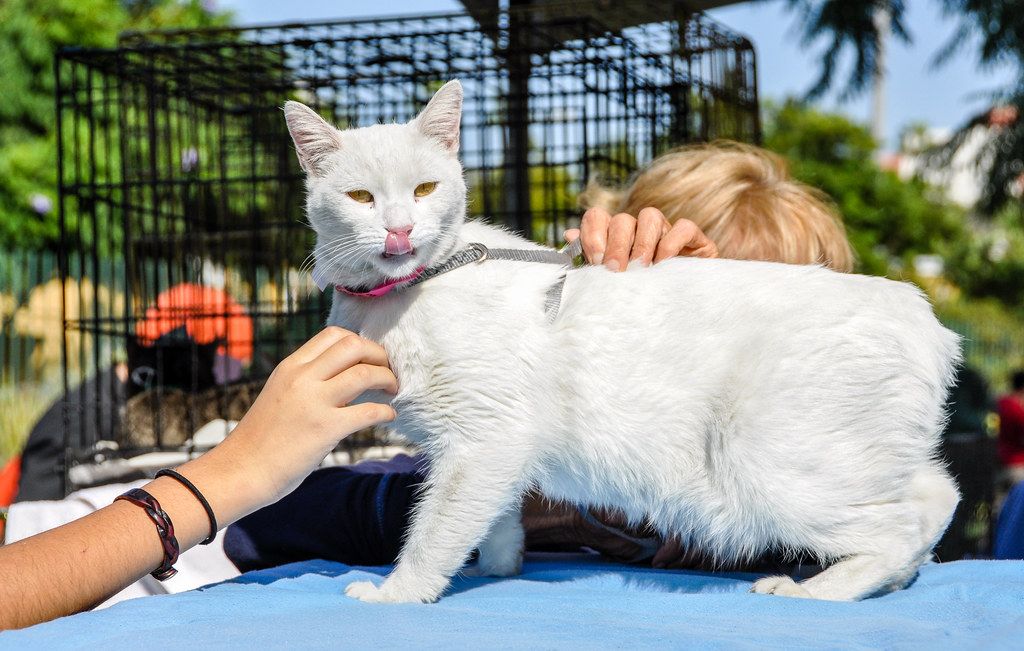
Adopting a cat is a rewarding experience, but it requires careful planning and responsible management. Whether you’re a first-time pet owner or an experienced cat lover, this guide will help you navigate the adoption process and provide the best care for your new feline friend.
1. Finding a Cat for Adoption
A. Research Adoption Options
- Animal Shelters: Local shelters often have cats of all ages, breeds, and temperaments.
- Rescue Organizations: Many nonprofits specialize in cat rescues and foster programs.
- Online Platforms: Websites like Petfinder and Adopt-a-Pet list adoptable cats near you.
B. Choose the Right Cat
- Age: Kittens are playful but require more training, while adult cats are calmer.
- Personality: Spend time with the cat to see if their energy level matches your lifestyle.
- Health Check: Ensure the cat is vaccinated, spayed/neutered, and free from illnesses.
2. Preparing Your Home for a New Cat
A. Essential Supplies
- Food & Water Bowls: Stainless steel or ceramic bowls are best.
- Litter Box: Have at least one box per cat, plus an extra.
- Scratching Posts: Protects furniture and keeps claws healthy.
- Bed & Toys: A cozy bed and interactive toys reduce stress.
B. Cat-Proofing Your Space
- Secure loose wires and toxic plants.
- Keep small objects (rubber bands, strings) out of reach.
- Ensure windows have screens to prevent escapes.
3. Bringing Your Cat Home
A. The First Few Days
- Quiet Introduction: Let the cat explore one room first before giving full access.
- Routine Feeding: Stick to the same food initially, then transition if needed.
- Patience: Some cats adjust quickly, while others may hide for days.
B. Litter Training
- Show your cat the litter box location.
- Keep it clean—scoop daily and change litter weekly.
- If accidents happen, avoid punishment; instead, reinforce positive habits.
4. Managing Your Cat’s Health & Well-Being
A. Veterinary Care
- Initial Checkup: Schedule a vet visit soon after adoption.
- Vaccinations: Keep up with core vaccines (rabies, FVRCP).
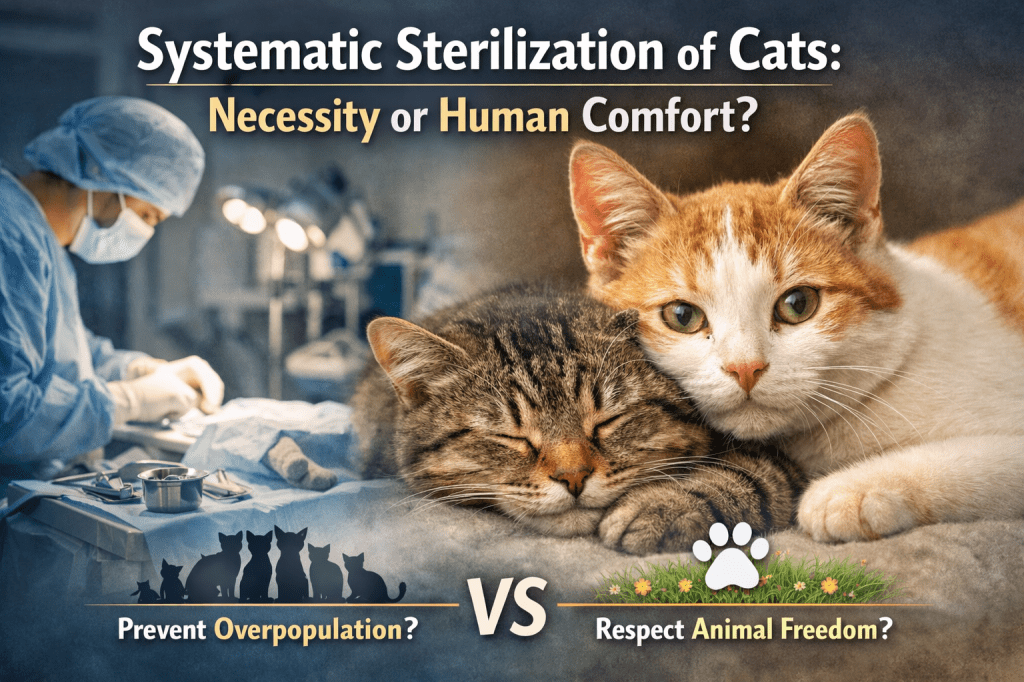
- Spaying/Neutering: Prevents unwanted litters and health issues.
B. Nutrition & Diet
- Feed high-quality cat food (wet or dry) based on age and health needs.
- Avoid toxic foods like chocolate, onions, and grapes.
- Provide fresh water daily.
C. Grooming & Hygiene
- Brush regularly to reduce shedding and hairballs.
- Trim nails every few weeks.
- Check ears and teeth for signs of infection.
5. Behavioral Training & Socialization
A. Encouraging Good Behavior
- Use positive reinforcement (treats, praise) for good habits.
- Discourage scratching furniture by redirecting to posts.
B. Handling Behavioral Issues
- Aggression: Identify triggers and provide a calm environment.
- Excessive Meowing: Could indicate hunger, boredom, or illness.
- Litter Box Avoidance: Rule out medical issues first, then check for stress factors.
6. Long-Term Care & Bonding
A. Building a Strong Bond
- Spend daily playtime with interactive toys.
- Gentle petting and talking helps build trust.
B. Monitoring Health Over Time
- Watch for changes in appetite, weight, or behavior.
- Senior cats (7+ years) need more frequent vet visits.
Final Thoughts
Adopting a cat is a lifelong commitment that brings joy and companionship. By choosing the right cat, preparing your home, and providing proper care, you’ll ensure a happy and healthy life for your new pet.
Ready to adopt? Visit local shelters or rescue groups today and give a cat a forever home!





 Fresh Cat News: Trusted Updates for Cat Lovers & Responsible Owners
Do you found this guide useful, please leave a comment.