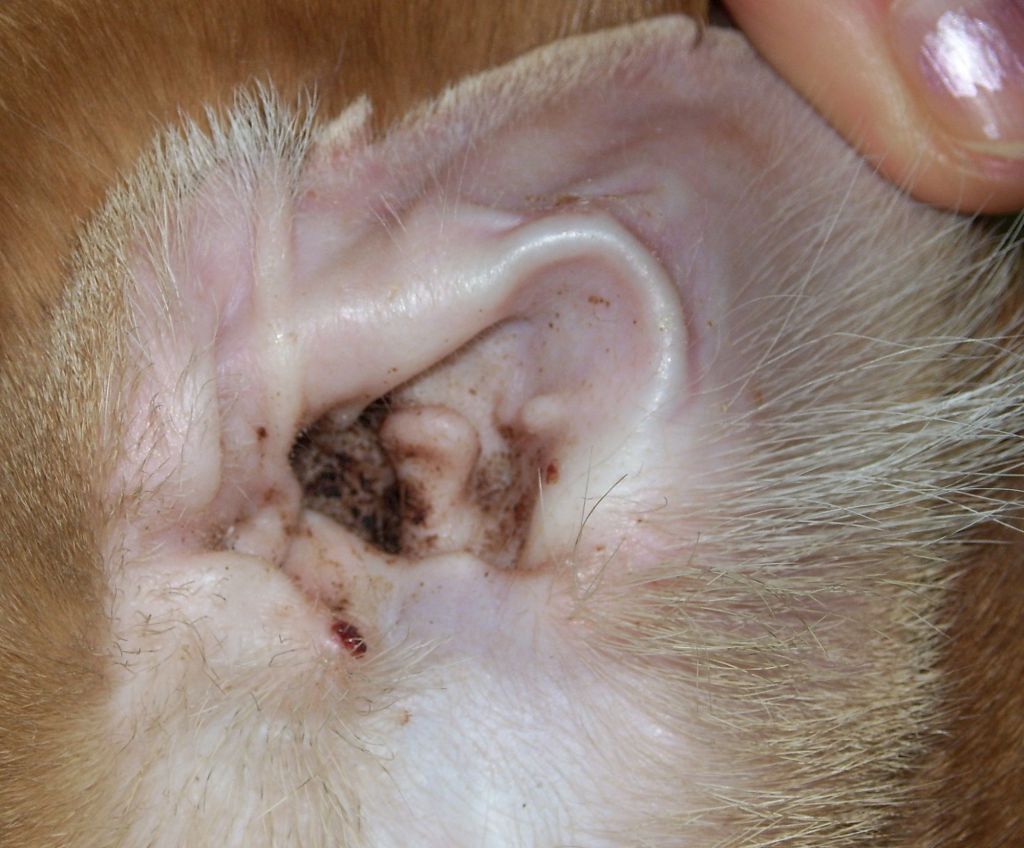
Ear mites are a common parasitic infection in cats that can cause discomfort, itching, and even secondary infections if left untreated. In this comprehensive guide, we’ll cover everything you need to know about cat ear mites, including symptoms, treatment options, prevention tips, and when to see a vet.
What Are Ear Mites in Cats?
Ear mites (Otodectes cynotis) are tiny, highly contagious parasites that live in a cat’s ear canal, feeding on ear wax and skin oils. They are most common in kittens and outdoor cats but can affect felines of any age.
🔗 Learn more about pet parasites: American Veterinary Medical Association (AVMA)
How Do Cats Get Ear Mites?
Ear mites spread through direct contact with an infected animal. They can also survive for a short time in the environment, so shared bedding or grooming tools can contribute to transmission.
Symptoms of Ear Mites in Cats
Recognizing the signs early can help prevent complications. Common symptoms include:
- Excessive scratching at ears or head
- Dark, crumbly discharge (resembling coffee grounds)
- Strong odor from the ears
- Redness and inflammation
- Head shaking or tilting
- Hair loss around the ears from scratching
📹 Watch this video on identifying ear mites: YouTube – Cat Ear Mites Explained
How to Diagnose Ear Mites in Cats
A veterinarian can confirm ear mites by:
- Examining the ear canal with an otoscope.
- Taking a swab sample to view under a microscope.
🔗 Find a vet near you: American Animal Hospital Association (AAHA)
Can Humans Get Ear Mites from Cats?
While rare, ear mites can temporarily affect humans, causing itchy skin rashes. However, they cannot complete their life cycle on humans.
How to Treat Ear Mites in Cats

Treatment involves killing the mites and soothing inflammation. Common options include:
1. Prescription Medications
- Topical treatments (e.g., Revolution, Advantage Multi)
- Ear drops (e.g., Tresaderm, Milbemite)
- Oral medications (in severe cases)
2. Over-the-Counter Solutions
- Ear cleaners (e.g., Zymox, Epi-Otic)
- Natural remedies (e.g., coconut oil, aloe vera—consult a vet first)
⚠️ Never use dog-specific treatments on cats, as some ingredients (like permethrin) are toxic to felines.
📹 How to clean a cat’s ears (tutorial): YouTube – Cat Ear Cleaning Guide
3. Home Cleaning Tips
- Gently wipe away debris with a vet-approved ear cleaner.
- Treat all pets in the household to prevent reinfestation.
- Wash bedding and grooming tools in hot water.
How to Prevent Ear Mites in Cats
- Regular ear checks during grooming.
- Monthly parasite prevention (e.g., flea & mite treatments).
- Limit exposure to stray or infected animals.
🔗 Best flea and mite preventatives: Chewy – Cat Ear Mite Treatments
When to See a Vet
Seek veterinary care if:
- Symptoms persist after treatment.
- The cat shows signs of pain or hearing loss.
- There’s bloody discharge or a foul smell (possible infection).
Final Thoughts
Ear mites are uncomfortable but treatable. Early detection and proper medication can help your cat recover quickly. Always consult your vet before starting any treatment.
🔗 More cat health resources: International Cat Care
By following these tips, you can keep your feline friend’s ears healthy and mite-free! 🐱💕








 Fresh Cat News: Trusted Updates for Cat Lovers & Responsible Owners
Do you found this guide useful, please leave a comment.