
Cats have long been a source of fascination in literature and art, symbolizing mystery, independence, and elegance. From ancient mythology to modern pop culture, felines have inspired countless works, leaving an indelible mark on human creativity. In this comprehensive guide, we’ll explore the role of cats in literature and art, tracing their influence across different eras and cultures.
Table of Contents
- Cats in Ancient Mythology and Folklore
- Cats in Classical Literature
- Famous Feline Characters in Books
- Cats in Poetry
- Cats in Visual Art: From Ancient Egypt to Modern Paintings
- Cats in Contemporary Art and Pop Culture
- Why Cats Continue to Inspire Creativity
1. Cats in Ancient Mythology and Folklore
Cats have been revered and mythologized since ancient times.
Egyptian Mythology: Bastet, the Cat Goddess
In ancient Egypt, cats were sacred, associated with Bastet, the goddess of home, fertility, and protection. Egyptians believed cats warded off evil spirits, and harming one was punishable by death. Learn more about Bastet and Egyptian cat worship here.
Japanese Folklore: The Maneki-Neko
In Japan, the Maneki-Neko (beckoning cat) is a symbol of good luck and prosperity. This iconic figurine is often seen in shops and homes. Discover the history of Maneki-Neko.
European Superstitions: Witches and Black Cats
Medieval Europe linked black cats with witchcraft, leading to superstitions that persist today. However, in some cultures, black cats are considered good luck.
2. Cats in Classical Literature
Cats have prowled through the pages of literature for centuries.
The Cat in “Puss in Boots” (1697)
Charles Perrault’s fairy tale “Puss in Boots” features a cunning feline who helps his master gain wealth and power. This story remains a classic in children’s literature.
Edgar Allan Poe’s “The Black Cat” (1843)
A tale of horror and guilt, Poe’s “The Black Cat” explores themes of madness and superstition. Read the full story here.
Lewis Carroll’s “Alice’s Adventures in Wonderland” (1865)
The Cheshire Cat, with its mischievous grin and philosophical musings, is one of literature’s most iconic felines.
3. Famous Feline Characters in Books
From children’s books to fantasy novels, cats have been beloved protagonists and sidekicks.
The Cat in “The Master and Margarita” (1967)
Mikhail Bulgakov’s Behemoth, a giant, vodka-drinking, gun-toting cat, is a fan favorite in this satirical novel.
“Old Possum’s Book of Practical Cats” (1939) by T.S. Eliot
This poetry collection inspired the famous musical “Cats” by Andrew Lloyd Webber.
“Warrior Cats” Series by Erin Hunter
A bestselling fantasy series about clans of wild cats, blending adventure and feline social dynamics.
4. Cats in Poetry
Poets have long been enchanted by cats’ grace and mystery.
“The Naming of Cats” by T.S. Eliot
A whimsical exploration of how cats choose their names.
“The Cat and the Moon” by W.B. Yeats
A mystical poem comparing a cat’s movements to the moon’s phases.
“To a Cat” by Jorge Luis Borges
A tribute to a feline companion, blending philosophy and affection.
5. Cats in Visual Art: From Ancient Egypt to Modern Paintings
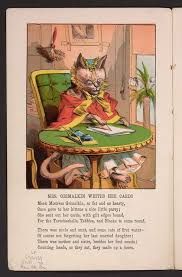
Artists across history have captured cats’ elegance and allure.
Ancient Egyptian Cat Art
Cats were frequently depicted in sculptures and tomb paintings, symbolizing divinity.
Leonardo da Vinci’s Cat Sketches
Da Vinci studied cats’ movements, creating detailed sketches.
Édouard Manet’s “Olympia” (1863)
The black cat at Olympia’s feet symbolizes independence and sensuality.
Henriette Ronner-Knip’s 19th-Century Cat Paintings
Known for her charming depictions of domestic cats.
Modern Cat Art: Andy Warhol and Pop Culture
Warhol’s “25 Cats Name Sam” is a playful take on feline fame.
6. Cats in Contemporary Art and Pop Culture
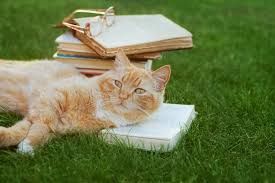
Today, cats dominate internet culture and modern art.
Internet Sensations: Grumpy Cat and Lil Bub
Memes and viral fame have turned cats into digital celebrities.
Japanese Kawaii Culture: Hello Kitty
A global icon, Hello Kitty represents Japan’s cute aesthetic.
Street Art: Banksy’s Cat Stencils
Banksy’s rebellious art often includes satirical cat imagery.
7. Why Cats Continue to Inspire Creativity
Cats embody:
- Mystery (their unpredictable nature)
- Elegance (graceful movements)
- Independence (free-spirited attitude)
Their timeless appeal ensures they remain muses for artists and writers.
Final Thoughts
From ancient deities to modern memes, cats have captivated human imagination. Whether in a classic novel or a viral Instagram post, their influence is undeniable.
What’s your favorite cat in literature or art? Share in the comments!
For more on feline-inspired creativity, check out:
By weaving cats into storytelling and visual art, humanity continues to celebrate these enigmatic creatures. 🐱🎨📖




 Fresh Cat News: Trusted Updates for Cat Lovers & Responsible Owners
Do you found this guide useful, please leave a comment.