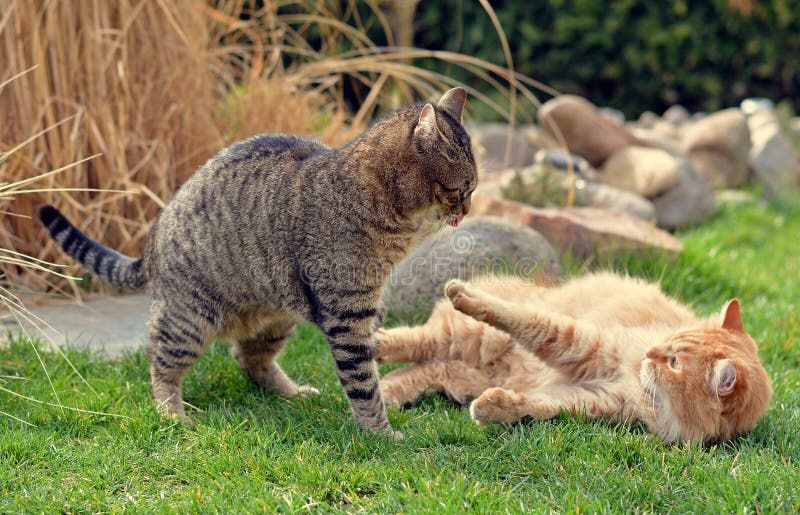
Bringing a new pet into your home is exciting, but introducing cats to other animals requires patience and strategy. Whether you have dogs, birds, rabbits, or another cat, a smooth introduction reduces stress and prevents conflicts.
In this 1,000-word guide, we’ll cover:
✅ Pre-introduction preparations
✅ Step-by-step introduction techniques
✅ Common challenges & solutions
✅ Tips for specific pet pairings (cats & dogs, cats & birds, etc.)
Let’s ensure a harmonious multi-pet household!
Why Proper Introductions Matter
Cats are territorial, and sudden introductions can lead to:
- Stress and anxiety
- Aggression or fighting
- Litter box avoidance
- Long-term tension
A gradual, scent-first approach helps pets adjust without feeling threatened.
🔗 Related: How to reduce cat stress
Step 1: Pre-Introduction Preparations
1. Separate Living Spaces
- Keep the new pet in a separate room with their own food, water, and litter box.
- Allow your resident pet to smell the new arrival under the door.
2. Scent Swapping
- Rub a towel on one pet and place it near the other.
- Swap bedding between pets to familiarize them with each other’s scent.
3. Positive Associations
- Feed both pets near the closed door so they associate each other’s scent with treats.
- Use calming pheromones (like Feliway) to ease tension.
🔗 Related: best calming products for cats
Step 2: Controlled Visual Introductions
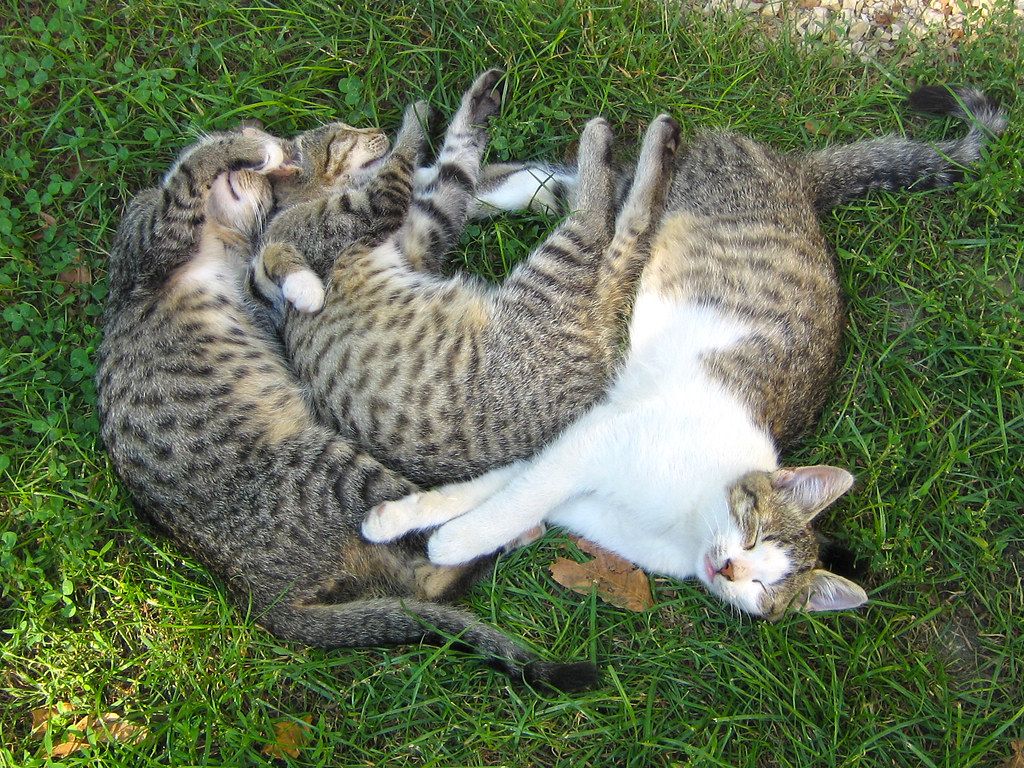
After a few days of scent swapping, proceed to visual introductions:
1. Use a Baby Gate or Crate
- Allow pets to see each other without direct contact.
- Reward calm behavior with treats.
2. Leashed Introductions (For Cats & Dogs)
- Keep the dog on a leash and let the cat explore at their own pace.
- If either pet shows aggression, separate and try again later.
3. Monitor Body Language
- Positive signs: Curiosity, relaxed posture, slow blinking.
- Warning signs: Hissing, growling, raised fur, stiff tail.
🔗 Related: understanding cat body language
Step 3: Supervised Face-to-Face Meetings
Once both pets seem comfortable, allow short, supervised interactions:
- Keep initial meetings under 10 minutes.
- Have treats ready to reward peaceful behavior.
- If tension arises, distract with toys or separate them.
Pro Tip: Playtime with interactive toys can help pets bond over a shared activity.
Common Challenges & Solutions
1. My Cat Hisses at the New Pet
- Solution: Go back to scent swapping and extend the introduction period.
2. My Dog Chases the Cat
- Solution: Train the dog to “leave it” and reward calm behavior.
3. My Older Cat Rejects the New Kitten
- Solution: Give the older cat more vertical space (cat trees, shelves) to retreat.
🔗 Related: How to stop a dog from chasing a cat
Special Considerations for Different Pets

Cats & Dogs
- Best breeds for cats: Basset Hounds, Golden Retrievers (naturally calmer).
- Train dogs to ignore cats using commands like “stay” and “leave it.”
Cats & Birds/Rodents
- Never leave them unsupervised—cats have strong prey drives.
- Keep birds/rodents in secure, elevated cages.
Cats & Other Cats
- Introduce same-sex pairs more cautiously (they may compete for dominance).
- Provide multiple litter boxes (one per cat + an extra).
🔗 Related: How to Stop Cat Aggression Toward Other
Final Tips for Long-Term Harmony
✔ Give each pet their own space (beds, hiding spots, feeding areas).
✔ Use Feliway diffusers to reduce territorial marking.
✔ Schedule separate playtimes to prevent jealousy.
✔ Be patient—some pets take weeks or months to adjust.
Conclusion
Introducing cats to other pets doesn’t have to be stressful. By following a gradual, scent-first approach, monitoring body language, and rewarding positive interactions, you can create a peaceful multi-pet home.
Have you introduced a cat to another pet? Share your experience in the comments!
🔗 Related: Best cat breed for Multi-Pet households







 Fresh Cat News: Trusted Updates for Cat Lovers & Responsible Owners
Do you found this guide useful, please leave a comment.