
Socializing shy cats can be a rewarding experience, but it requires patience, understanding, and the right approach. Whether you’ve adopted a timid rescue or your feline friend has always been cautious around strangers, this guide will help you build their confidence and improve their social skills.
Why Socializing Shy Cats is Important
Shy or fearful cats may hide, hiss, or avoid interaction due to past trauma, lack of socialization, or genetic predisposition. Helping them feel safe can:
- Reduce stress and anxiety
- Strengthen the bond between you and your cat
- Improve their overall well-being
- Make vet visits and travel less stressful
According to the American Society for the Prevention of Cruelty to Animals (ASPCA), early socialization is key to raising a well-adjusted cat.
Step 1: Create a Safe Space
Before introducing new people or environments, ensure your cat has a secure retreat.
- Provide hiding spots (cat caves, cardboard boxes, or elevated perches).
- Use calming aids like Feliway diffusers or soft music.
- Keep their essentials (food, water, litter box) in a quiet area.
The Humane Society recommends letting shy cats adjust at their own pace.
Step 2: Use Positive Reinforcement
Reward-based training helps shy cats associate people with good experiences.
- Treats: Offer high-value treats when they approach you.
- Playtime: Use interactive toys like feather wands to build trust.
- Slow blinking: This mimics a cat’s relaxed body language.
Check out Jackson Galaxy’s tips for more bonding techniques.
Step 3: Gradual Exposure to New People
If your cat is scared of strangers, follow these steps:
- Let them observe from a distance – New visitors should ignore the cat initially.
- Encourage scent swapping – Have guests offer treats without forcing interaction.
- Progress at the cat’s pace – Some cats may take weeks or months to warm up.
The International Cat Association (TICA) suggests avoiding sudden movements or loud noises.
Step 4: Introduce Other Pets Slowly
Multi-pet households can be overwhelming. Follow these steps:
- Scent exchange first – Swap bedding between pets.
- Use a barrier – A baby gate allows visual introduction without contact.
- Supervised meetings – Keep initial interactions short and positive.
For more on cat introductions, visit PetMD.
Step 5: Enrich Their Environment
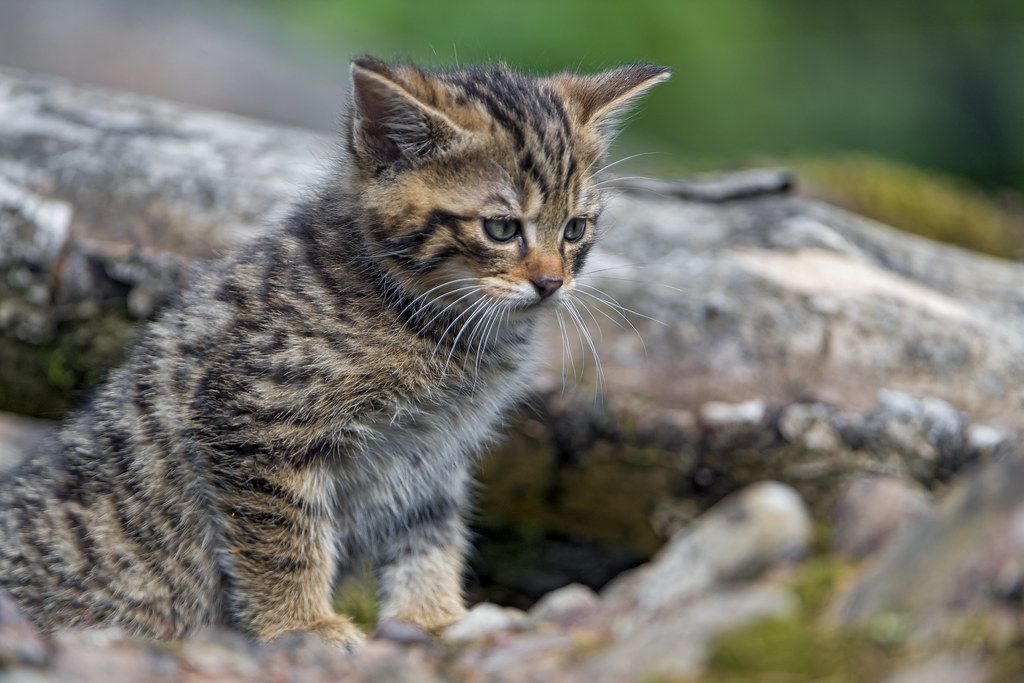
Boredom can worsen anxiety. Keep your cat engaged with:
- Puzzle feeders – Stimulates their hunting instincts.
- Window perches – Lets them watch birds safely.
- Clicker training – Builds confidence through mental stimulation.
The American Association of Feline Practitioners (AAFP) highlights the importance of environmental enrichment.
When to Seek Professional Help
If your cat shows extreme fear (hiding for days, refusing food, or aggressive behavior), consult:
- A veterinarian to rule out medical issues.
- A certified cat behaviorist for tailored advice.
Organizations like IAABC can connect you with feline specialists.
Final Thoughts
Socializing a shy cat takes time, but the results are worth it. By providing a safe environment, using positive reinforcement, and respecting their boundaries, you can help your feline friend become more confident and sociable.
Have you successfully socialized a shy cat? Share your tips in the comments!
Additional Resources
- ASPCA Cat Care Guide
- The Cat Behavior Answer Book (Amazon affiliate link)
- Fear Free Pets – Reducing stress in pets
By following these steps, you’ll create a happier, more relaxed life for your shy cat. 🐾







 Fresh Cat News: Trusted Updates for Cat Lovers & Responsible Owners
Do you found this guide useful, please leave a comment.