
Introduction
Separation anxiety in cats is a common but often overlooked behavioral issue. While dogs are more commonly associated with separation anxiety, cats can also experience stress when left alone. This condition can lead to destructive behaviors, excessive vocalization, and even health problems.
In this comprehensive guide, we’ll explore:
- Signs of separation anxiety in cats
- Common causes
- Effective solutions to help your feline friend
- Expert tips to prevent future anxiety
Let’s dive in!
What is Separation Anxiety in Cats?
Separation anxiety occurs when a cat becomes overly attached to their owner and experiences distress when left alone. Unlike dogs, cats are often seen as independent, but they can form strong bonds with their humans. When those bonds are disrupted, anxiety can set in.
According to the American Society for the Prevention of Cruelty to Animals (ASPCA), separation-related behaviors in cats can range from mild to severe.
Signs Your Cat Has Separation Anxiety
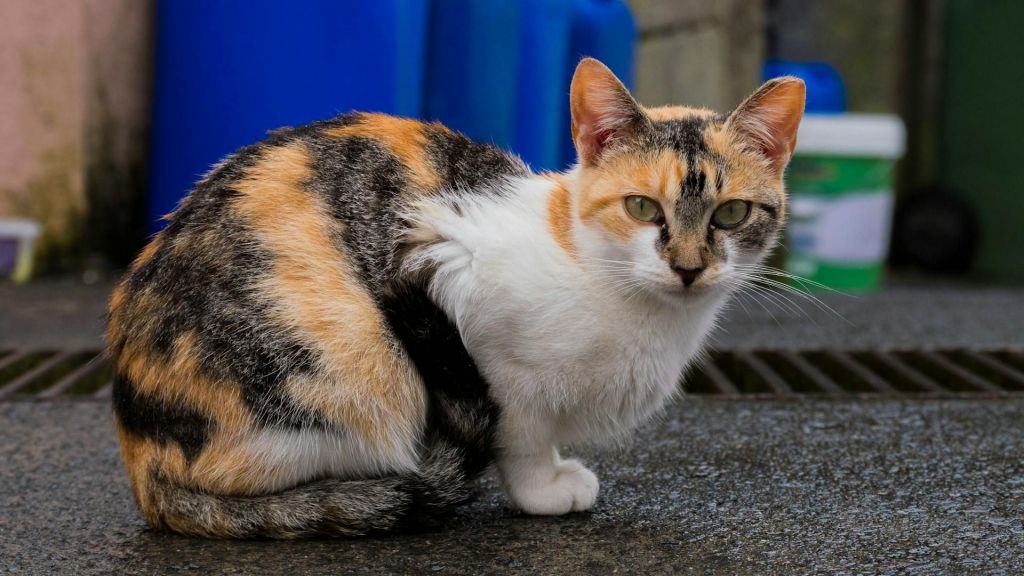
Recognizing the symptoms early can help you address the issue before it worsens. Common signs include:
1. Excessive Vocalization (Meowing or Yowling)
- Persistent crying when you’re about to leave or while you’re away
- Loud, distressed meows that neighbors might notice
2. Destructive Behavior
- Scratching furniture, doors, or carpets
- Knocking over objects or chewing on wires
3. Inappropriate Elimination
- Urinating or defecating outside the litter box, often near doors or windows
4. Over-Grooming or Self-Mutilation
- Excessive licking leading to bald patches or sores
5. Clinginess When You’re Home
- Following you everywhere, even to the bathroom
- Demanding constant attention
6. Loss of Appetite
- Refusing to eat when alone
- Weight loss due to stress
If your cat exhibits these behaviors, consult a veterinarian to rule out medical issues. The Cornell Feline Health Center recommends a thorough check-up before diagnosing separation anxiety.
What Causes Separation Anxiety in Cats?
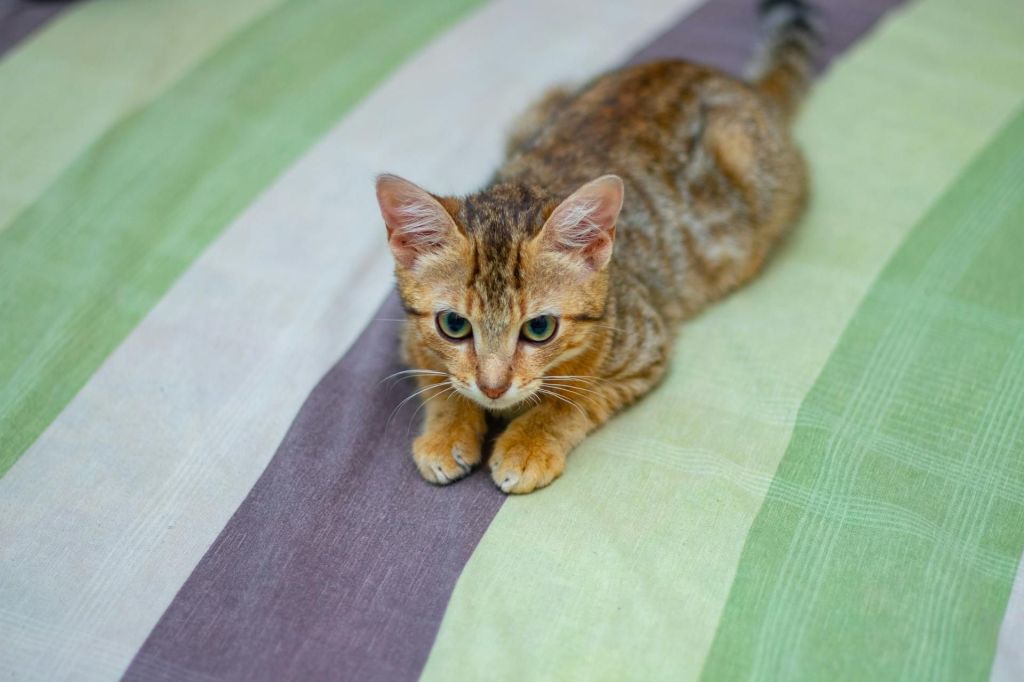
Several factors can contribute to separation anxiety in felines:
1. Early Weaning or Orphaned Kittens
Kittens separated too early from their mothers may develop attachment issues.
2. Sudden Changes in Routine
- A new work schedule
- Moving to a new home
3. Lack of Stimulation
Boredom can amplify anxiety. Cats need mental and physical engagement.
4. Past Trauma or Abandonment
Rescue cats with unstable histories may fear being left alone again.
5. Over-Attachment to a Single Person
If a cat bonds too strongly with one person, they may panic when that person leaves.
How to Help a Cat with Separation Anxiety
Thankfully, there are several effective ways to ease your cat’s stress.
1. Gradual Desensitization
- Start by leaving for short periods (5-10 minutes) and gradually increase the time.
- Reward calm behavior with treats or affection.
2. Create a Safe Space
- Provide a cozy area with their favorite bed, toys, and a piece of your clothing (for scent comfort).
- Consider a Feliway diffuser, which releases calming pheromones.
3. Interactive Toys & Puzzle Feeders
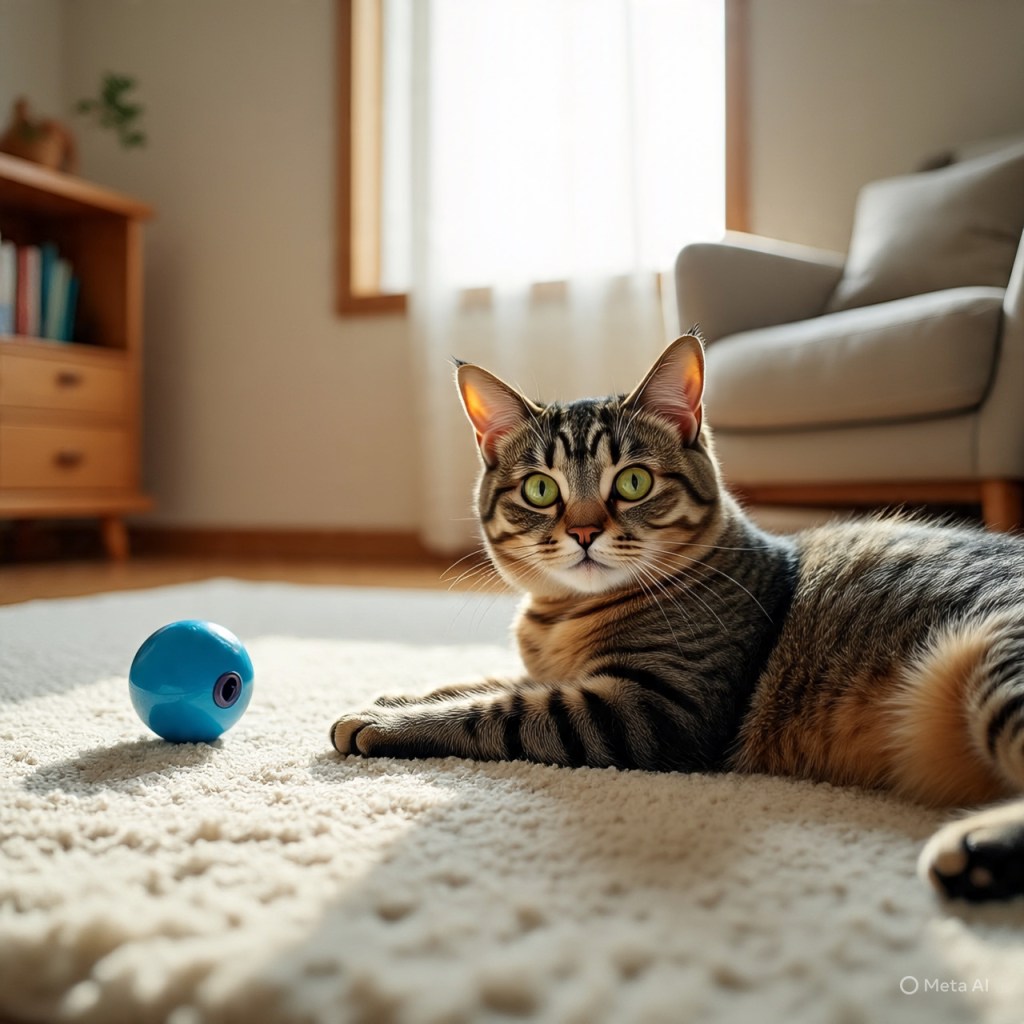
- Keep your cat mentally stimulated with food puzzles or automated toys.
- The Catit Senses 2.0 Food Tree is a great option.
4. Adopt a Companion Cat (If Suitable)
Some cats benefit from having a feline friend. However, introductions should be slow.
5. Establish a Routine
- Feed, play, and cuddle at consistent times to create predictability.
6. Avoid Overly Emotional Goodbyes & Hellos
- Keep departures and arrivals low-key to prevent reinforcing anxiety.
7. Consult a Vet or Behaviorist
- Severe cases may require anti-anxiety medication or professional training.
Preventing Separation Anxiety in Cats
Prevention is always better than cure. Here’s how to avoid separation anxiety:
✅ Socialize kittens early by exposing them to different people and environments.
✅ Encourage independence by not always picking up your cat when they demand attention.
✅ Provide environmental enrichment—cat trees, window perches, and scratching posts.
✅ Use technology like pet cameras (such as Furbo) to check in and dispense treats remotely.
Final Thoughts
Separation anxiety in cats is a real issue that requires patience and understanding. By recognizing the signs early and implementing these strategies, you can help your cat feel more secure when alone.
If your cat’s anxiety persists, don’t hesitate to seek professional help. For more expert advice, check out resources from the International Cat Care organization.
FAQs About Separation Anxiety in Cats
Q: Can cats outgrow separation anxiety?
A: Some may improve with training, while others may need long-term management.
A: Siamese, Burmese, and other highly social breeds may be more prone.
Q: Can I leave the TV or radio on for my cat?
A: Yes! Soft music or nature sounds can be soothing.
Did you find this guide helpful? Share it with fellow cat owners! 🐾
By following these tips, you can ensure your feline friend stays happy—even when you’re not home.
External Resources:





 Fresh Cat News: Trusted Updates for Cat Lovers & Responsible Owners
Do you found this guide useful, please leave a comment.