
While cats are often seen as independent creatures, many cat owners are surprised to discover that their feline companions can suffer from separation anxiety. This behavioral issue arises when a cat becomes distressed due to the absence of their primary caregiver. But is separation anxiety more common in certain cat breeds? The short answer is yes—some breeds are more prone to developing attachment issues due to their unique temperaments and genetic traits.
In this article, we’ll explore which cat breeds are more likely to experience separation anxiety, what symptoms to look for, and how you can help your cat cope when you’re not at home.
What Is Separation Anxiety in Cats?
Separation anxiety in cats refers to the stress and behavioral issues a cat exhibits when they are left alone for extended periods. Unlike dogs, feline anxiety is often underdiagnosed or mistaken for general disobedience.
Common signs of separation anxiety in cats include:
- Excessive vocalization (meowing, yowling)
- Destructive behavior (scratching furniture, knocking over items)
- Inappropriate urination or defecation
- Over-grooming or self-harm
- Lack of appetite while the owner is away
According to Cornell University College of Veterinary Medicine, cats can suffer emotionally when their routines are disrupted or their humans are absent for long periods.
Cat Breeds Most Prone to Separation Anxiety
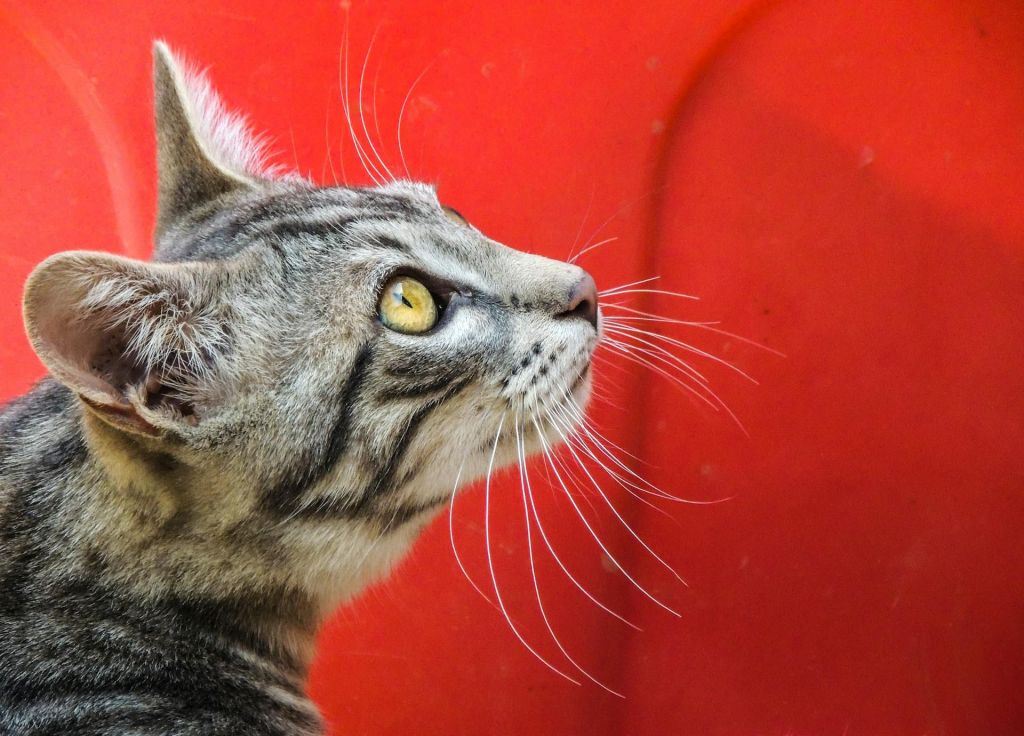
While any cat can develop separation anxiety, some breeds are more likely to experience it due to their social and dependent nature.
1. Siamese
Siamese cats are known for their high intelligence, talkative nature, and strong attachment to their humans. They dislike being alone for long and are quick to show their displeasure with loud vocalizations and attention-seeking behavior. Learn more about Siamese cats.
2. Burmese
Burmese cats are affectionate lap cats that thrive on companionship. They often follow their owners around and seek constant interaction. When left alone, they may exhibit symptoms of separation anxiety like excessive meowing and destruction.
3. Ragdoll
Ragdolls are gentle giants known for their laid-back attitude and tendency to go limp when held. They form deep bonds with their families and do not like being left out of activities or alone for too long. Ragdoll breed info from CFA.
4. Maine Coon
Despite their large size and independent look, Maine Coons are incredibly sociable and people-oriented. These cats often get attached to one particular family member and may show anxiety when separated from them.
5. Oriental Shorthair
Closely related to the Siamese, Oriental Shorthairs are also highly vocal, social, and affectionate. They tend to shadow their owners and can become distressed when left alone.
6. Sphynx
This hairless breed is known for being extremely affectionate and clingy. Without fur to keep them warm, Sphynx cats often seek out their humans for body heat and comfort, making them more susceptible to separation anxiety.
Why Do These Breeds Suffer More?
The breeds listed above have certain commonalities that contribute to their predisposition to separation anxiety:
- High sociability: These breeds thrive on human interaction.
- Intelligence: Intelligent cats get bored easily and may act out if mentally unstimulated.
- Breed history: Some were bred specifically for companionship, making them emotionally dependent.
Cats that are adopted as kittens and over-socialized to humans may also develop stronger bonds, increasing the likelihood of anxiety when left alone.
How to Help a Cat with Separation Anxiety
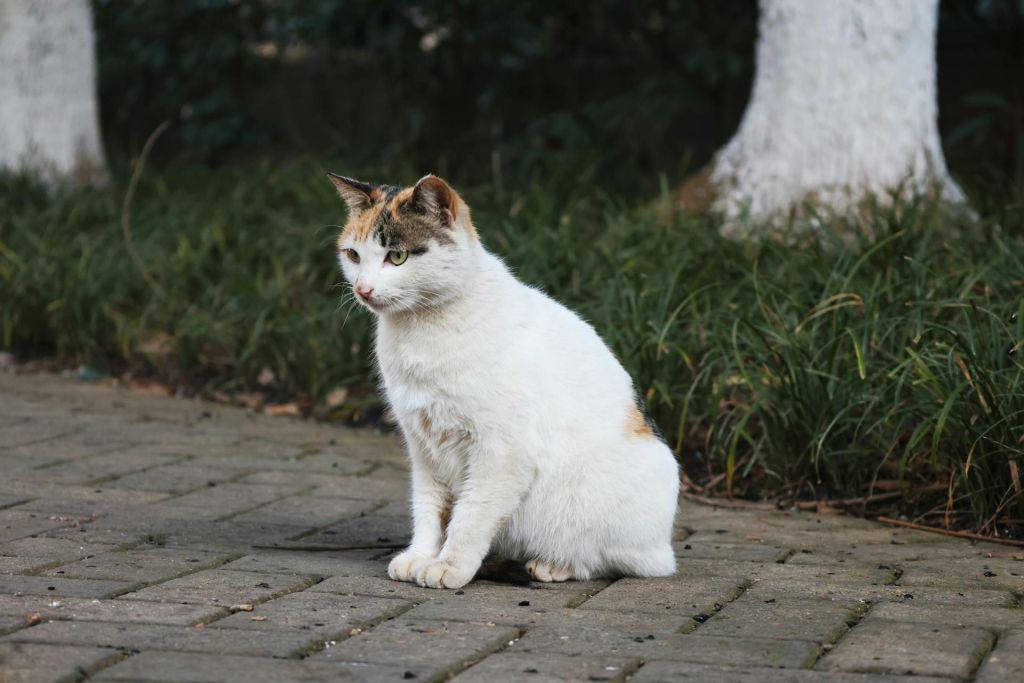
If you suspect your cat suffers from separation anxiety, here are several steps you can take to help ease their stress:
1. Establish a Predictable Routine
Cats love consistency. Feed them, play with them, and leave/return home around the same time each day to create a sense of security.
2. Provide Enrichment Activities
Toys, cat trees, puzzle feeders, and interactive games can keep your cat mentally stimulated when you’re not home. Here’s a guide to feline enrichment from the ASPCA.
3. Consider a Companion
If your cat is especially social, another feline friend can help alleviate loneliness. However, always introduce new pets slowly and under controlled circumstances.
4. Use Comforting Scents or Sounds
Leave behind an item of clothing that smells like you or use a pheromone diffuser like Feliway, which mimics the calming pheromones cats naturally produce.
5. Gradual Desensitization
Practice leaving for short periods and gradually increase your absence. Avoid dramatic exits and returns, which can heighten anxiety.
6. Consult a Veterinarian or Behaviorist
In severe cases, a vet may recommend anti-anxiety medications or a consultation with a certified animal behaviorist.
Final Thoughts
Separation anxiety is a real and serious issue—not just for dogs, but for cats too. While any cat can be affected, certain breeds like the Siamese, Burmese, and Ragdoll are more likely to develop anxiety due to their affectionate and dependent nature.
Understanding your cat’s needs, providing mental stimulation, and creating a stable environment can make a world of difference. With the right approach, you can help your feline friend feel safe and loved, even when you’re not around.
References:
- Cornell Feline Health Center – Separation Anxiety
- ASPCA – Enrichment for Cats
- Feliway – Help Calm Your Cat
- Hill’s Pet – Siamese Cat Breed
- Cat Fanciers’ Association – Ragdoll




 Fresh Cat News: Trusted Updates for Cat Lovers & Responsible Owners
Do you found this guide useful, please leave a comment.