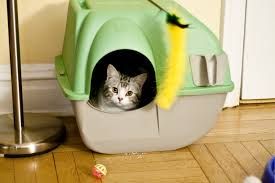
Litter box problems are among the most common frustrations for cat owners. Whether your cat is avoiding the box, making a mess, or eliminating outside of it, these issues can strain your relationship with your pet. Fortunately, most litter box problems are solvable with the right approach.
In this comprehensive guide, we’ll explore the root causes of litter box issues and provide actionable solutions to keep your home clean and your cat happy.
Common Litter Box Problems & Their Causes
Understanding why your cat is avoiding the litter box is the first step toward fixing the issue. Here are the most common problems and their potential causes:
1. Avoiding the Litter Box Entirely
If your cat is peeing or pooping outside the litter box, possible reasons include:
- Dirty litter box – Cats are clean animals and may refuse to use a box that isn’t scooped regularly.
- Wrong litter type – Some cats dislike scented or certain textured litters.
- Medical issues – Urinary tract infections (UTIs), kidney disease, or arthritis can make litter box use painful.
- Stress or anxiety – Changes in the household (new pets, moving, etc.) can trigger avoidance.
2. Kicking Litter Everywhere
Some cats are enthusiastic diggers, scattering litter outside the box. This can be due to:
- High-energy digging behavior – Some cats naturally dig more than others.
- Shallow or small litter box – A larger, deeper box can help contain the mess.
3. Spraying or Marking Territory
Unneutered male cats (and sometimes females) may spray urine to mark their territory. Spaying/neutering often resolves this issue.
How to Solve Litter Box Problems

1. Keep the Litter Box Clean
- Scoop daily – Remove waste at least once a day.
- Wash the box weekly – Use mild soap and water (avoid harsh chemicals).
- Replace litter regularly – Even with scooping, litter should be fully changed every 1-2 weeks.
For self-cleaning options, check out the PetSafe ScoopFree Automatic Litter Box for a low-maintenance solution.
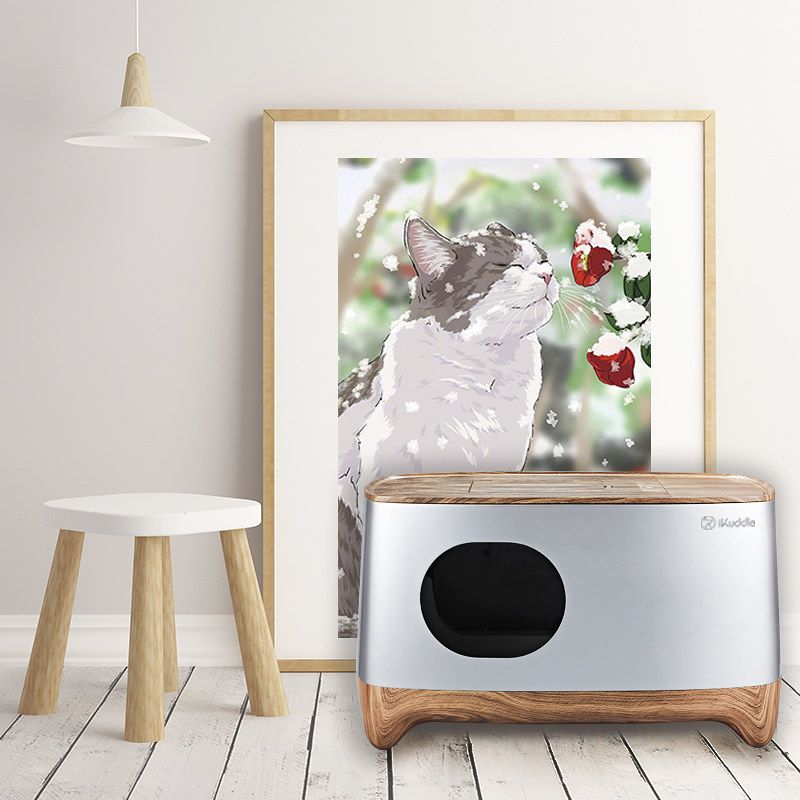
2. Choose the Right Litter Box
- Size matters – The box should be 1.5 times the length of your cat.
- Open vs. covered – Some cats prefer open boxes, while others like privacy. Test both.
- Number of boxes – The general rule is one box per cat, plus one extra.
The IRIS Top-Entry Litter Box helps reduce litter tracking.
3. Select the Best Cat Litter
- Unscented & clumping – Most cats prefer fine-grained, unscented clumping litter.
- Avoid sudden changes – Transition slowly if switching litter types.
Popular options include Dr. Elsey’s Ultra Clumping Litter and World’s Best Cat Litter.
4. Address Medical Concerns
If your cat suddenly stops using the litter box, a vet visit is crucial. Conditions like UTIs, diabetes, or arthritis may require treatment.
5. Reduce Stress & Anxiety
- Provide multiple resources – Extra litter boxes, scratching posts, and hiding spots can help.
- Use pheromone diffusers – Products like Feliway can calm anxious cats.
- Maintain a routine – Cats thrive on consistency.
6. Manage Litter Tracking & Mess
- Use a litter mat – The Gorilla Grip Litter Trapping Mat catches stray litter.
- Try a top-entry box – These designs minimize scatter.
When to Consult a Professional
If you’ve tried everything and your cat still avoids the litter box, consider:
- A vet checkup – Rule out medical issues.
- A cat behaviorist – Experts like those at International Association of Animal Behavior Consultants (IAABC) can help.
Final Thoughts
Litter box problems are frustrating but often fixable with patience and the right adjustments. By keeping the box clean, choosing the right setup, and addressing any health or stress-related concerns, you can create a happier environment for both you and your cat.
Have you dealt with litter box issues? Share your experiences in the comments!
External Resources:
By following these tips, you can resolve most litter box issues and enjoy a cleaner, odor-free home. 🐾






 Fresh Cat News: Trusted Updates for Cat Lovers & Responsible Owners
Do you found this guide useful, please leave a comment.