Introduction
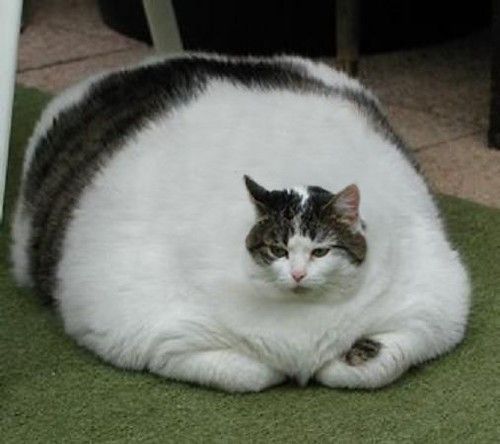
Cat obesity is a growing concern among pet owners, with over 50% of cats in the U.S. classified as overweight or obese (Association for Pet Obesity Prevention, 2023). Excess weight can lead to serious health issues, including diabetes, arthritis, and heart disease.
In this comprehensive guide, we’ll explore:
- The causes of cat obesity
- Health risks associated with excess weight
- How to determine if your cat is overweight
- Effective weight management strategies
- The best diet and exercise plans for cats
Understanding Cat Obesity
What Is Cat Obesity?
Obesity in cats occurs when they consume more calories than they burn, leading to excessive fat accumulation. A cat is considered obese if it weighs 20% or more above its ideal body weight.
Causes of Cat Obesity
Several factors contribute to feline obesity:
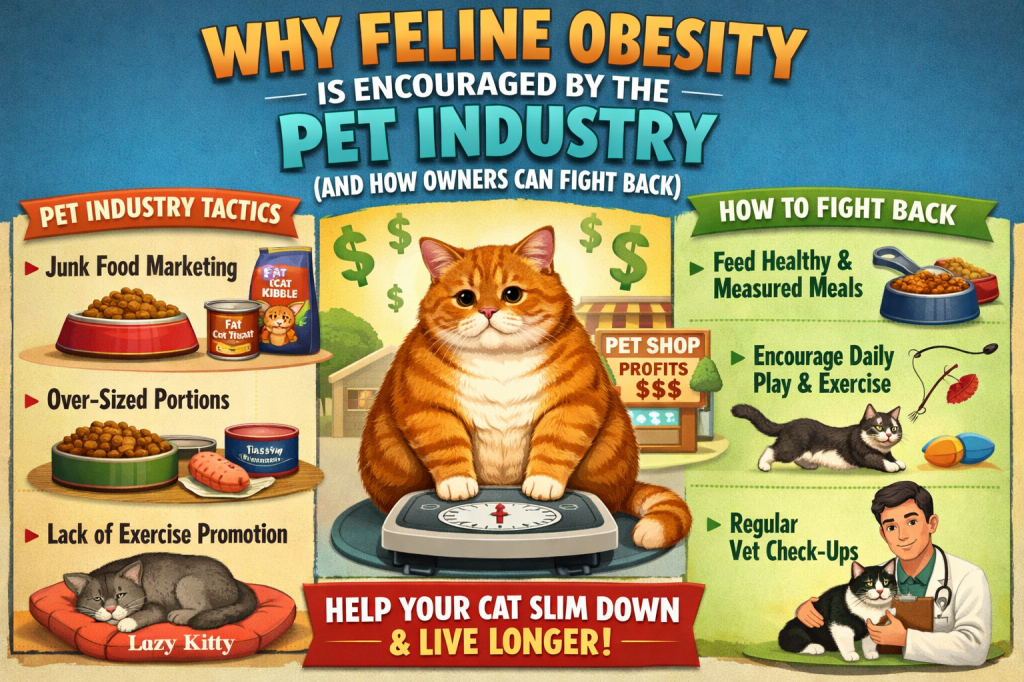
- Overfeeding – Free-feeding or excessive treats.
- Lack of Exercise – Indoor cats are more prone to inactivity.
- Age & Metabolism – Older cats burn fewer calories.
- Breed Predisposition – Some breeds, like Maine Coons, are more prone to weight gain.
- Medical Conditions – Hypothyroidism can slow metabolism (VCA Hospitals, 2023).
Health Risks of Obesity in Cats
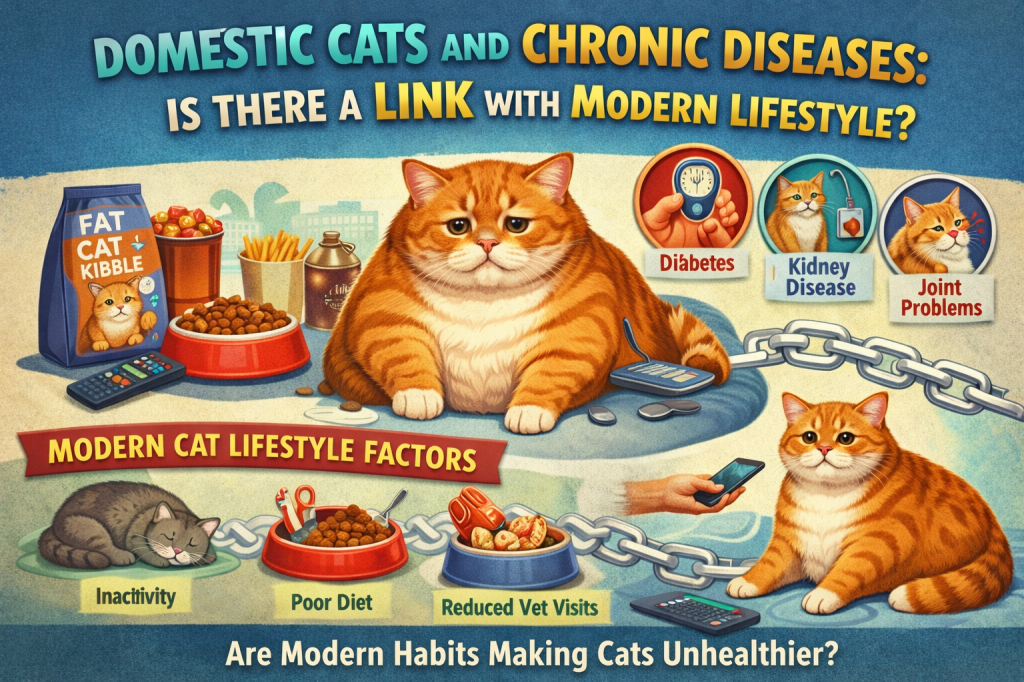
Carrying extra weight puts cats at risk for:
- Diabetes Mellitus – Excess fat leads to insulin resistance.
- Arthritis & Joint Pain – Extra weight strains joints.
- Heart Disease – Obesity increases cardiac workload.
- Liver Disease – Fatty liver (hepatic lipidosis) is life-threatening.
- Reduced Lifespan – Obese cats live 2-3 years less on average (Cornell Feline Health Center, 2023).
How to Tell If Your Cat Is Overweight

Body Condition Scoring (BCS)
Vets use a 1-9 scale to assess body condition:
- 1-3 (Underweight) – Ribs visible, no fat layer.
- 4-5 (Ideal Weight) – Ribs palpable, slight waist.
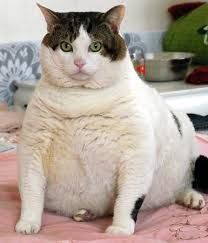
- 6-9 (Overweight/Obese) – No waist, fat deposits on spine/tail base.
At-Home Checks
- Rib Test – You should feel (but not see) ribs.
- Waist Check – Look for a slight tuck behind the ribs.
- Abdominal Fat – A sagging belly indicates excess weight.
Cat Weight Management Strategies
1. Consult Your Veterinarian
Before starting a weight-loss plan, rule out medical causes. Your vet may recommend:
- Blood tests (checking for diabetes, thyroid issues).
- A customized diet plan.
2. Adjust Your Cat’s Diet
- Switch to Weight-Control Food – High-protein, low-carb diets help burn fat (Purina Pro Plan Veterinary Diets).
- Measure Portions – Follow feeding guidelines based on weight goals.
- Limit Treats – Replace high-calorie treats with healthy options like cooked chicken.
3. Increase Physical Activity
- Interactive Toys – Feather wands, laser pointers.
- Cat Trees & Climbing Structures – Encourages movement.
- Food Puzzles – Slows eating and stimulates mental activity.
4. Monitor Progress
Weigh your cat monthly and adjust food/exercise as needed. Aim for 1-2% body weight loss per week.
Best Weight-Loss Diets for Cats
BrandKey FeaturesBest ForHill’s Prescription Diet Metabolic Clinically proven weight loss Cats with stubborn obesity Royal Canin Satiety Support High fiber for fullness Overweight cats prone to begging Blue Buffalo Weight Control Natural ingredients, grain-free Health-conscious owners
(Always consult your vet before switching foods.)
Preventing Obesity in Cats
- Avoid Free-Feeding – Stick to scheduled meals.
- Encourage Playtime – 10-15 minutes daily.
- Regular Vet Checkups – Early detection of weight issues.
Conclusion
Cat obesity is preventable and manageable with the right diet, exercise, and veterinary guidance. By taking proactive steps, you can help your feline friend live a longer, healthier life.
Need professional advice? Consult your veterinarian or check resources from the American Veterinary Medical Association (AVMA).
FAQs
Q: How much should my cat weigh?
A: Most domestic cats should weigh 8-10 lbs, but this varies by breed.
Q: Can obesity in cats be reversed?
A: Yes, with a structured weight-loss plan.
Q: What’s the fastest way to help my cat lose weight?
A: Gradual weight loss is safest—1-2% per week.
By following these guidelines, you can keep your cat at a healthy weight and prevent obesity-related diseases. Share this guide to help other cat owners! 🐾




 Fresh Cat News: Trusted Updates for Cat Lovers & Responsible Owners
Do you found this guide useful, please leave a comment.