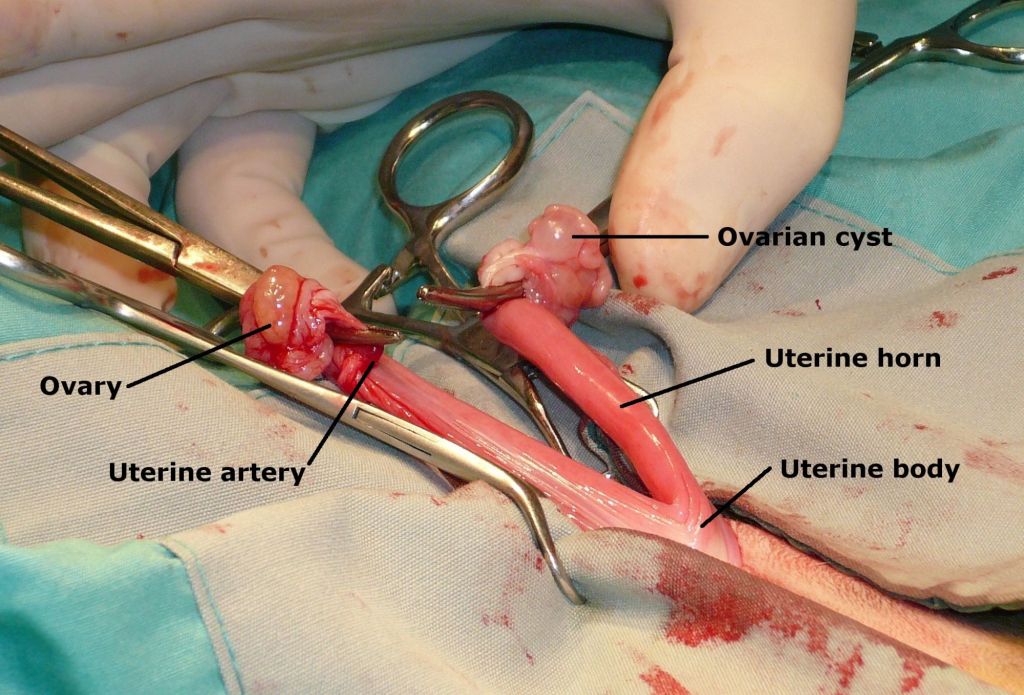
Spaying and neutering are essential procedures for cat owners who want to ensure their pets live long, healthy lives while also reducing pet overpopulation. In this comprehensive guide, we’ll cover everything you need to know—from benefits and risks to recovery tips and common misconceptions.
What Is Spaying and Neutering?
- Spaying (Ovariohysterectomy): The surgical removal of a female cat’s ovaries and uterus.
- Neutering (Castration): The surgical removal of a male cat’s testicles.
Both procedures are performed under anesthesia by a licensed veterinarian and are considered routine surgeries with minimal risks.
Benefits of Spaying and Neutering Your Cat
1. Health Benefits
- Reduces Cancer Risk: Spaying eliminates the risk of uterine and ovarian cancers and greatly reduces mammary tumors. Neutering prevents testicular cancer and lowers prostate issues. American Veterinary Medical Association
- Longer Lifespan: Fixed cats live, on average, 2-3 years longer due to reduced roaming and disease exposure.
2. Behavioral Improvements
- Less Aggression: Neutered males are less likely to fight, reducing injury and infection risks.
- Reduced Spraying & Marking: Unneutered males often spray urine to mark territory—neutering curbs this behavior.
- No Heat Cycles: Female cats in heat yowl excessively and attract males—spaying stops this.
3. Population Control
- Prevents Overpopulation: Millions of cats end up in shelters yearly—spaying/neutering helps reduce euthanasia rates. ASPCA
When Should You Spay or Neuter Your Cat?

- Recommended Age:
- Kittens: As early as 8-16 weeks (early-age spay/neuter is safe, per the AAFP).
- Adult Cats: Can be fixed at any age, but earlier is better.
Potential Risks & Considerations
While complications are rare, possible risks include:
- Anesthesia reactions (pre-surgery bloodwork minimizes this).
- Minor infections (proper aftercare prevents this).
- Weight gain (manage with portion control and exercise).
What to Expect During Recovery
- First 24 Hours: Your cat may be groggy—keep them warm and quiet.
- Activity Restriction: Prevent jumping/running for 7-10 days to avoid stitches reopening.
- E-Collar (Cone): Stops licking/chewing at the incision.
- Monitor the Incision: Look for redness, swelling, or discharge—contact your vet if concerned.
Debunking Common Myths
❌ “My cat will get fat after surgery.”
✅ Truth: Weight gain is due to overfeeding—adjust diet and exercise.
❌ “It’s better to let my cat have one litter first.”
✅ Truth: No medical benefit—early spaying is healthier.
❌ “Neutering changes my cat’s personality.”
✅ Truth: They’ll be calmer but just as loving!
Low-Cost Spay/Neuter Programs
If cost is a concern, check:
Final Thoughts
Spaying and neutering improve your cat’s health, behavior, and longevity while helping control the homeless pet population. Consult your vet to schedule the procedure and give your cat the best life possible!
Have you spayed/neutered your cat? Share your experience in the comments! 🐾
#CatHealth #SpayAndNeuter #PetCare #CatLovers #AdoptDontShop







 Fresh Cat News: Trusted Updates for Cat Lovers & Responsible Owners
Do you found this guide useful, please leave a comment.