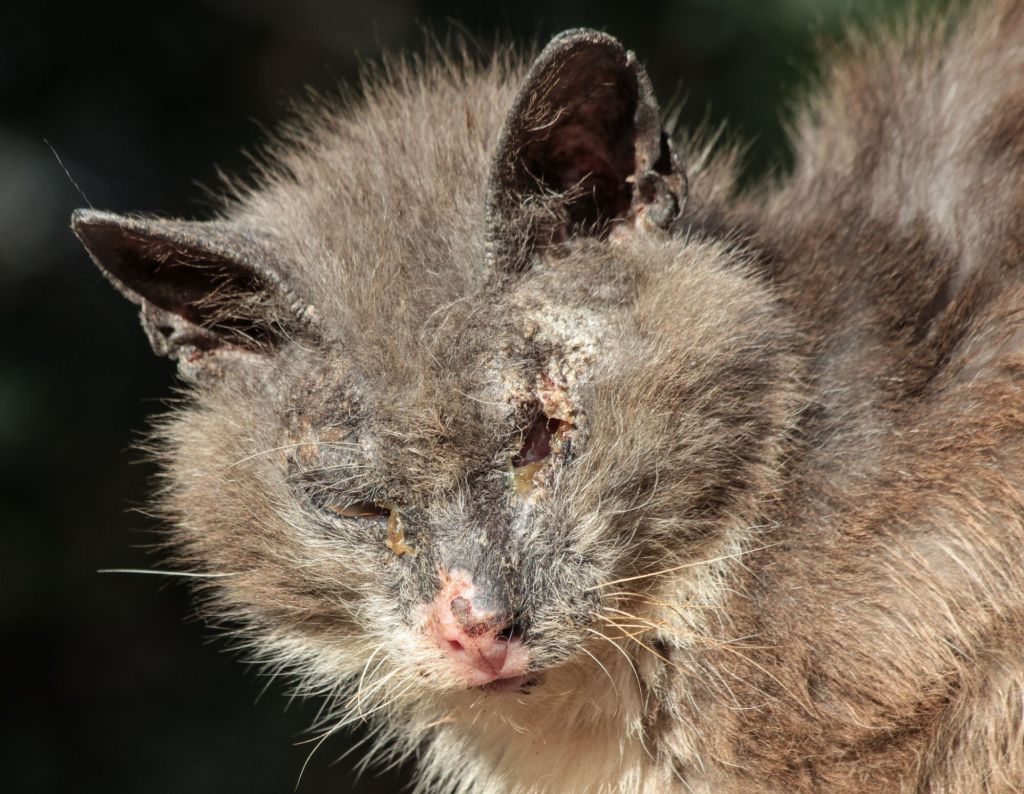
Cats are beloved companions, known for their independence, affection, and playful antics. However, just like any other pet, cats can be susceptible to a variety of diseases. Being aware of common cat illnesses, their symptoms, and how to prevent them can help ensure your feline friend lives a long and healthy life. In this blog post, we will explore the most common diseases in cats, their signs, and preventive measures you can take.
1. Feline Upper Respiratory Infections (URIs)
Upper respiratory infections in cats are incredibly common, especially among kittens and shelter cats. These infections are usually caused by viruses like feline herpesvirus and calicivirus.
Symptoms:
- Sneezing
- Nasal congestion
- Runny eyes or nose
- Fever
- Loss of appetite
Prevention:
- Regular vaccinations
- Keeping your cat indoors
- Isolating new cats until they are cleared by a vet
If left untreated, a simple respiratory infection can lead to more severe complications like pneumonia. Prompt veterinary care is crucial.
2. Feline Lower Urinary Tract Disease (FLUTD)
FLUTD refers to a group of conditions affecting the bladder and urethra in cats. It’s especially common in overweight, middle-aged cats.
Symptoms:
- Straining to urinate
- Frequent trips to the litter box
- Blood in the urine
- Crying out during urination
Prevention:
- Encourage water intake
- Feed a high-quality, balanced diet
- Maintain a healthy weight
FLUTD can be life-threatening if a urinary blockage occurs, particularly in male cats, so immediate veterinary attention is necessary.
3. Feline Leukemia Virus (FeLV)
FeLV is a serious viral infection that weakens the immune system, making cats more prone to other diseases.
Symptoms:
- Weight loss
- Pale gums
- Persistent infections
- Lethargy
Prevention:
- Vaccination
- Keeping infected cats isolated
- Regular vet checkups
Cats infected with FeLV can still live happy lives for several years, but early detection and proper management are key.
4. Dental Disease
Dental problems are often overlooked but can significantly affect a cat’s health. Conditions like gingivitis and periodontitis are common.
Symptoms:
- Bad breath
- Drooling
- Difficulty eating
- Red or bleeding gums
Prevention:
- Regular dental checkups
- Professional teeth cleaning
- Daily or weekly brushing with cat-safe toothpaste
Good dental hygiene can extend your cat’s life and improve its quality of life dramatically.
5. Obesity
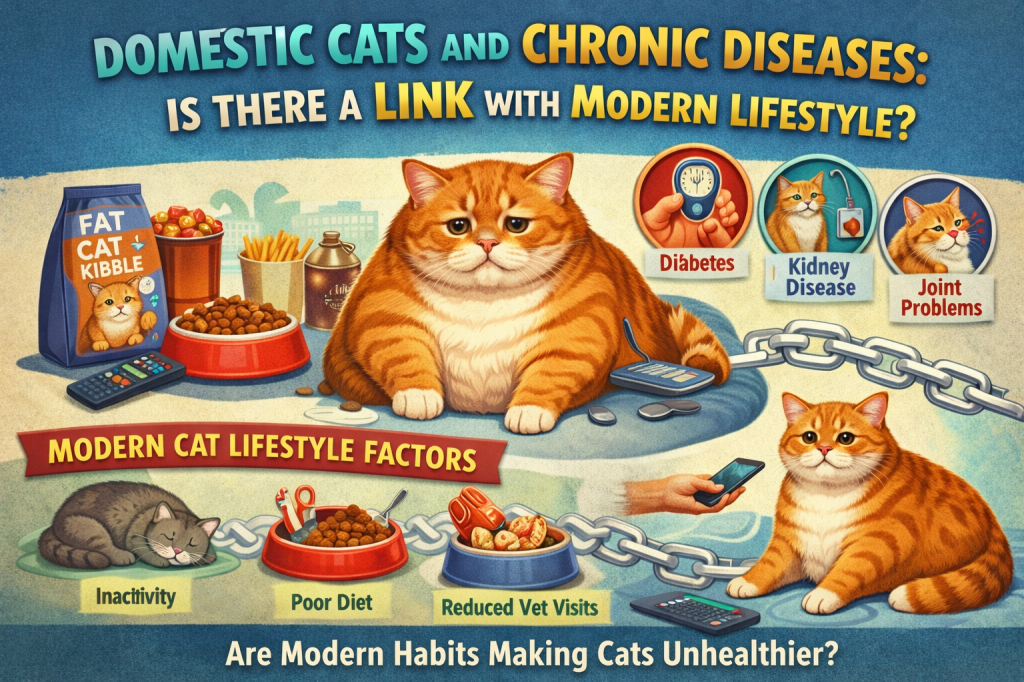
Obesity is one of the most common yet preventable diseases in cats. Overweight cats are at risk for diabetes, arthritis, and heart disease.
Symptoms:
- Excess body fat
- Difficulty grooming
- Lethargy
Prevention:
- Measure food portions
- Engage your cat in regular play
- Choose a diet suitable for your cat’s age and activity level
Maintaining a healthy weight is critical for your cat’s overall health and longevity.
6. Parasites (Fleas, Ticks, and Worms)
Parasites are more than just a nuisance; they can cause serious health issues for cats.
Symptoms:
- Scratching and biting at the skin
- Visible worms in feces
- Vomiting or diarrhea
- Anemia (especially in kittens)
Prevention:
- Regular deworming
- Flea and tick prevention treatments
- Keeping your cat indoors to limit exposure
Routine preventive care can protect your cat from many parasitic infections.
7. Chronic Kidney Disease (CKD)
CKD is particularly common in older cats. It occurs when the kidneys slowly lose function over time.
Symptoms:
- Increased thirst and urination
- Weight loss
- Poor coat condition
- Vomiting
Prevention:
While CKD cannot always be prevented, early detection through annual bloodwork can slow its progression. Feeding kidney-friendly diets also helps manage the disease.
8. Diabetes Mellitus
Cats, particularly older and overweight ones, are prone to developing diabetes.
Symptoms:
- Excessive thirst and urination
- Weight loss despite a good appetite
- Lethargy
Prevention:
- Keep your cat at a healthy weight
- Monitor their diet and sugar intake
- Regular veterinary visits for early diagnosis
With proper management, diabetic cats can lead full, happy lives.
How to Keep Your Cat Healthy

Preventing these common diseases starts with regular veterinary care, a balanced diet, proper hygiene, and early detection. Here are some quick tips:
- Annual Vet Visits: Even if your cat appears healthy, yearly checkups can catch early signs of illness.
- Vaccinations: Stay current on all recommended vaccines.
- Quality Nutrition: Feed a high-quality, species-appropriate diet.
- Parasite Control: Use veterinarian-recommended flea, tick, and worm preventives.
- Dental Care: Brush your cat’s teeth regularly and schedule professional cleanings.
Early intervention can be the difference between a manageable condition and a life-threatening crisis.
Conclusion
Understanding common cat diseases is a vital part of responsible cat ownership. With awareness and proactive care, you can help ensure your feline friend stays healthy and happy for years to come. Remember, your veterinarian is your best partner in keeping your cat thriving.
If you notice any signs of illness, don’t wait—schedule a veterinary visit immediately. Early treatment can save lives.







 Fresh Cat News: Trusted Updates for Cat Lovers & Responsible Owners
Do you found this guide useful, please leave a comment.