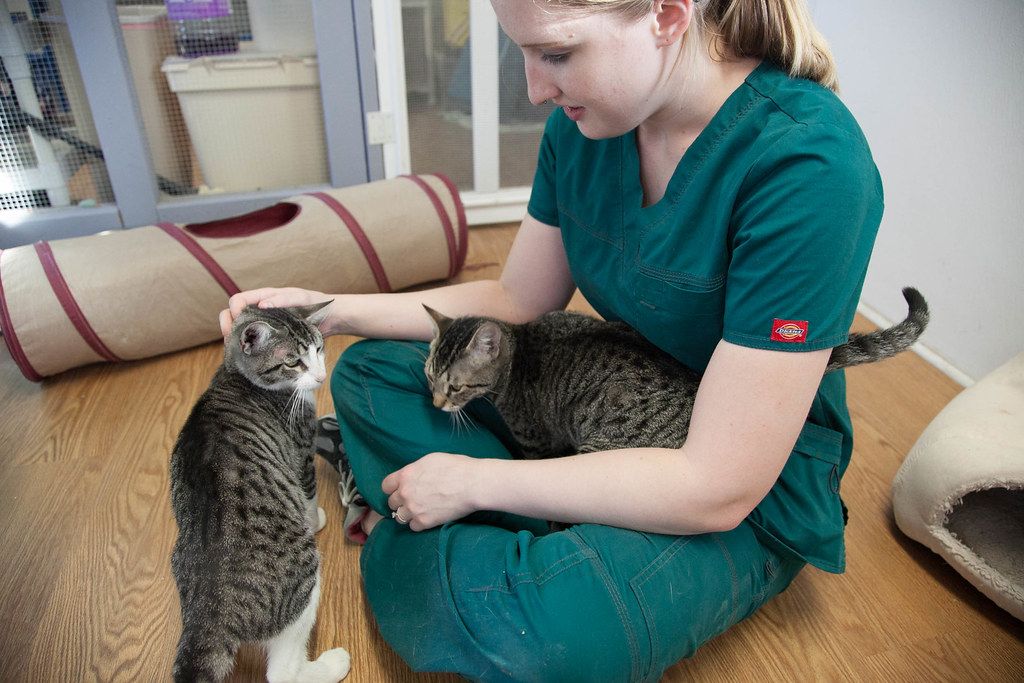
Choosing the right veterinarian is one of the most important decisions you’ll make for your pet’s health and happiness. Just like selecting a doctor for yourself, you want a vet who is not only highly skilled but also compassionate and understanding. Here’s a simple guide to help you find the best veterinarian for your beloved companion.
1. Ask for Recommendations
Start by asking family, friends, neighbors, or local pet groups for recommendations. Word of mouth is a powerful tool because people love to share positive experiences. Online reviews can also offer valuable insights, but remember to look at the overall trend rather than one or two comments.
2. Check Qualifications and Experience
Make sure the veterinarian is properly licensed and accredited. In the United States, you can verify credentials through the American Veterinary Medical Association (AVMA). Also, consider their experience with your type of pet. If you have an exotic animal like a reptile or bird, look for a vet who specializes in that species.
3. Visit the Clinic in Person
A personal visit can reveal a lot about a veterinary practice. Look for a clean, organized, and well-equipped facility. Pay attention to how the staff interacts with both pets and owners. A welcoming, friendly atmosphere is essential for making visits less stressful for your pet.
4. Evaluate Their Communication Style
Good communication is key. Your vet should be able to explain diagnoses, treatments, and preventive care clearly. They should also listen to your concerns and answer your questions patiently. A veterinarian who takes the time to build a relationship with you and your pet is a major plus.
5. Understand Their Services

Not all veterinary clinics offer the same services. Some may specialize in emergency care, dentistry, surgery, or alternative treatments like acupuncture. Make sure the clinic offers a full range of services you might need throughout your pet’s life. Also, ask about after-hours emergency procedures and whether they have a partnership with a local emergency hospital.
6. Consider Location and Hours
Convenience matters, especially during emergencies. Choose a clinic that’s reasonably close to your home and offers flexible hours that fit your schedule. Some vets offer online consultations or telemedicine services, which can be very helpful for follow-up questions or minor concerns.
7. Compare Costs
While cost shouldn’t be the only factor, it’s important to understand the clinic’s pricing structure. Ask about routine services like vaccinations, check-ups, and dental cleanings. Also, inquire about payment plans, pet insurance acceptance, and what’s included in wellness packages if available.
8. Trust Your Instincts
Finally, trust your gut feeling. If something doesn’t feel right, or if you feel rushed or unheard, it’s okay to keep looking. Your pet’s well-being depends on a strong, trusting relationship with their healthcare provider.
Final Thoughts
Choosing the right veterinarian takes time, but it’s well worth the effort. A great vet will not only care for your pet during sickness but will also help you maintain their health throughout their life. Take the time to research, visit clinics, and ask questions — your furry (or scaly, or feathered) friend will thank you for it!








 Fresh Cat News: Trusted Updates for Cat Lovers & Responsible Owners
Do you found this guide useful, please leave a comment.