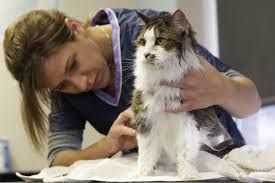
Grooming is an essential part of a cat’s overall health and happiness. While cats are famous for their self-cleaning habits, they still need a little help from us to look and feel their best. Regular grooming not only keeps your feline friend looking beautiful but also prevents health problems and strengthens the bond between you.
Here’s everything you need to know about grooming your cat like a pro!
Why Grooming Matters
Cats spend a large part of their day grooming themselves, but that doesn’t mean they can do it all. Grooming helps:
- Remove dirt, grease, and dead hair from their coat
- Prevent painful hair mats
- Reduce shedding and hairballs
- Spot health issues early (like lumps, bumps, or parasites)
- Build trust and affection between you and your cat
Whether your cat has long, luxurious fur or a short, sleek coat, regular grooming is a must.
Brushing Basics
How often should you brush your cat?
- Long-haired cats (like Persians or Maine Coons): Daily brushing is ideal.
- Short-haired cats (like Siamese or American Shorthairs): Brush once or twice a week.
Benefits of Brushing:
Brushing distributes natural oils through your cat’s coat, making it shiny and healthy. It also minimizes shedding and prevents hairballs, which can cause digestive issues if swallowed.
Choosing the Right Brush:
- Slicker brush: Great for removing tangles and loose hair.
- Bristle brush: Perfect for short-haired breeds.
- Deshedding tools: Ideal for heavy shedders, especially during seasonal changes.
Take it slow and gentle—most cats enjoy grooming once they get used to it. Always end sessions on a positive note with treats or extra cuddles!
Bath Time: Is It Necessary?
Most cats rarely need a bath. However, if your cat gets into something sticky or smelly, or if they have a medical condition, a bath might be necessary.
Tips for Bathing a Cat:
- Use a cat-specific, gentle shampoo.
- Have everything ready before starting (towels, shampoo, cup for rinsing).
- Use lukewarm water and be quick but gentle.
- Dry your cat thoroughly with a towel (or a blow dryer on the lowest setting if your cat tolerates it).
If your cat is extremely stressed by bathing, consult your vet or a professional groomer for help.
Nail Care
Keeping your cat’s claws trimmed prevents them from getting too long, splitting, or growing into their paw pads.
How to Trim Your Cat’s Nails:
- Use a proper cat nail clipper.
- Press gently on the paw to extend the nails.
- Clip only the sharp tip, avoiding the pink area (quick) which contains blood vessels.
- Trim a little at a time if your cat is nervous.
Regular nail trims also save your furniture from becoming an unintended scratching post!
Ear Cleaning
Check your cat’s ears weekly for signs of dirt, wax buildup, or infection.
Signs of Healthy Ears:
- Pale pink color
- No strong odor
- Minimal wax
Cleaning Tips:
- Use a vet-approved ear cleaner.
- Moisten a cotton ball (never use cotton swabs) and gently wipe the outer part of the ear.
- If you notice redness, foul smell, or discharge, consult your vet.
Dental Care
Dental hygiene is a big part of grooming that’s often overlooked. Poor dental health can lead to serious issues like gum disease, tooth loss, and even heart problems.
How to Maintain Your Cat’s Dental Health:
- Brush your cat’s teeth with cat-safe toothpaste.
- Offer dental treats or toys designed to reduce tartar buildup.
- Schedule regular vet check-ups for professional cleanings.
Start dental care early in life to make it a normal, stress-free experience for your cat.
Dealing with Mats and Tangles
Mats are clumps of fur that form when loose hair becomes tangled. They can be painful and lead to skin infections.
Preventing and Removing Mats:
- Regular brushing is the best prevention.
- If you find a mat, gently work it out with your fingers or a mat splitter tool.
- Never use scissors to cut out mats—one slip could injure your cat’s skin.
- For severe mats, seek help from a professional groomer or vet.
Signs Your Cat May Need Professional Grooming

Sometimes, it’s best to leave grooming to the pros, especially if:
- Your cat has heavy matting.
- They are extremely resistant to brushing or bathing.
- They have medical conditions requiring special care.
Professional groomers are trained to handle tricky situations safely and can provide a complete grooming experience, including baths, blow-drying, brushing, trimming, and even special skin treatments if needed.
Making Grooming a Positive Experience
The key to successful cat grooming is patience and positive reinforcement. Start slow, use plenty of treats, and keep sessions short and pleasant. Over time, your cat will associate grooming with love and attention rather than stress.
Remember, every cat is different. Some might love a good brushing session, while others might need more encouragement. Tune into your cat’s body language and respect their limits.
Conclusion
With a little effort and care, grooming can become one of the most rewarding ways to connect with your cat—and help them live a healthier, happier life!






 Fresh Cat News: Trusted Updates for Cat Lovers & Responsible Owners
Do you found this guide useful, please leave a comment.