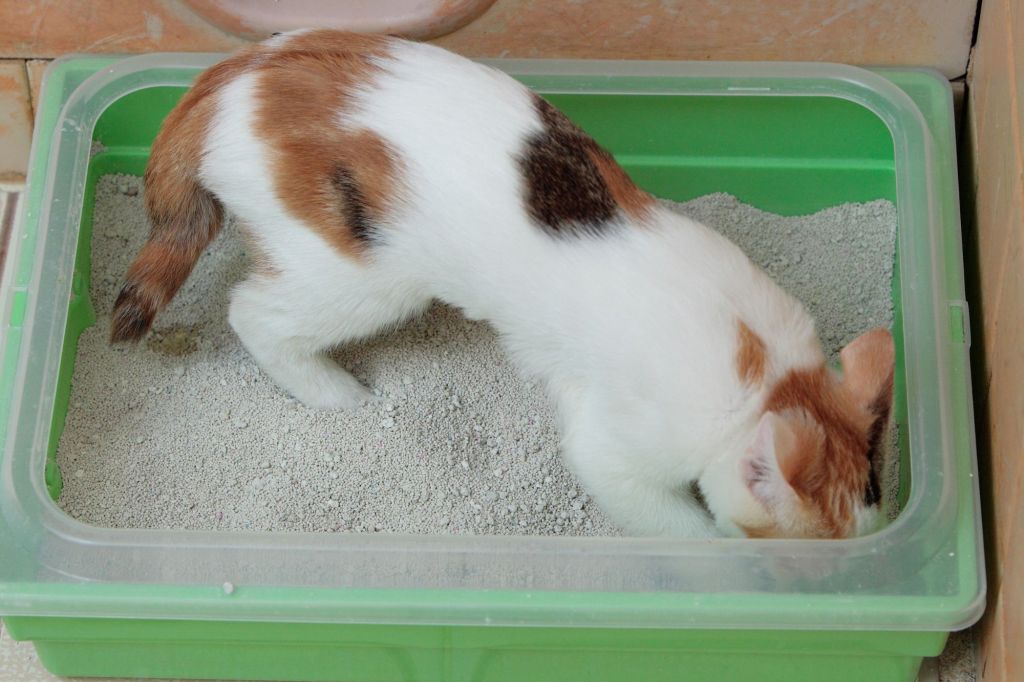
Bringing a new cat or kitten into your home is exciting, but it comes with responsibilities — one of the most important being litter box training and maintenance. A clean, accessible litter box is essential for your cat’s health and happiness, and it helps keep your home smelling fresh. Whether you’re training a kitten, helping an adult cat adjust, or just looking to improve your litter box routine, this guide covers everything you need to know.
Litter Box Training: how to set it ?
1. Choosing the Right Litter Box
Size matters when it comes to litter boxes. Choose one that is large enough for your cat to move around comfortably. For kittens, a box with low sides is best so they can climb in easily. As they grow, you can transition to a larger box. Some cats prefer open litter boxes, while others like the privacy of covered ones. If you’re not sure, start with an open box and observe your cat’s behavior.
2. Selecting the Right Litter
Cats are particular about texture and scent. Most prefer unscented, clumping litter that feels soft under their paws. Avoid heavily scented litters, as some cats find the smell overwhelming. If you’re trying different types, introduce them gradually to avoid stressing your cat.
3. Choosing the Best Location
Cats want a quiet, accessible spot to do their business. Place the litter box away from their food and water bowls, in a low-traffic area that’s easy to reach. If you live in a multi-story house, it’s best to have at least one litter box per floor.
4. Introducing Your Cat to the Litter Box
When you bring your cat home, show them the location of the litter box right away. Place them in it gently after meals, naps, or play sessions. Kittens especially benefit from frequent reminders until they develop a routine. Most cats naturally understand what to do once they recognize the purpose of the box.
Troubleshooting Training Challenges
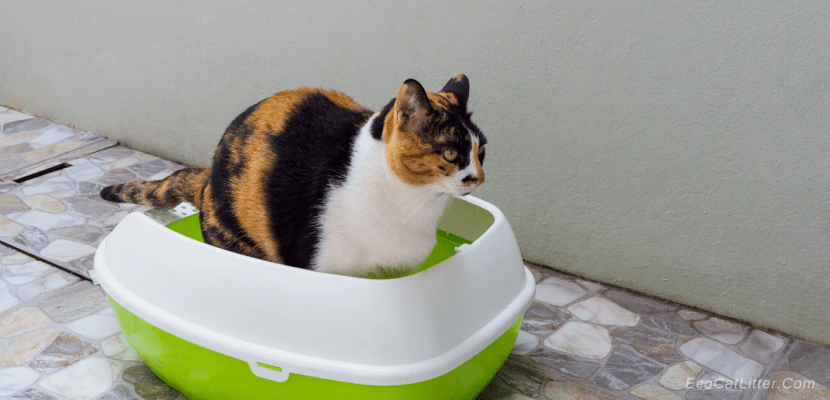
If accidents happen, don’t punish your cat — it will only create fear and confusion. Instead, clean the area thoroughly to remove any lingering odors, and gently guide your cat back to the litter box. If accidents persist, rule out medical issues like urinary tract infections by consulting your veterinarian.
Stress, changes in the home, or an unclean litter box can also cause problems. Make sure your cat feels safe and that the litter box is always clean and inviting.
Litter Box Maintenance: Keeping It Clean and Comfortable
1. Daily Scooping
The golden rule of litter box maintenance is daily scooping. Removing waste every day keeps odors down and makes the box more appealing for your cat. Some cats will avoid a dirty box altogether, leading to unwanted accidents elsewhere in your home.
2. Full Litter Changes and Cleaning
Depending on the type of litter you use, a full litter change is necessary every 1-2 weeks. Wash the box with mild, unscented soap and warm water — harsh chemicals can leave behind odors that repel cats. Make sure the box is completely dry before refilling it with fresh litter.
3. Monitor Litter Levels
Keep at least two to three inches of litter in the box. Cats like to dig and bury their waste, and too little litter can lead to messes and discourage proper use. Top off the litter as needed to maintain a consistent depth.
4. Number of Litter Boxes
The general rule is to have one litter box per cat, plus one extra. For example, if you have two cats, you should have three litter boxes. This reduces competition and gives each cat their own space, which can be crucial in multi-cat households.
5. Replacing the Litter Box
Even with regular cleaning, litter boxes wear out over time. Scratches in the plastic can harbor bacteria and odors. It’s a good idea to replace the litter box once a year, or sooner if it shows signs of damage.
Common Litter Box Mistakes to Avoid
- Using a box that’s too small: Cats need room to turn around and dig.
- Neglecting cleaning duties: A dirty box can lead to accidents and health problems.
- Placing the box in noisy or hard-to-reach areas: Convenience and comfort are key for your cat.
- Changing litter types abruptly: Always transition slowly to avoid rejection.
- Punishing accidents: Positive reinforcement and patience are much more effective.
Final Thoughts
Litter box training and maintenance aren’t just chores — they’re part of nurturing a happy, healthy bond with your cat. By understanding your cat’s natural instincts and maintaining a clean, welcoming litter box, you’ll ensure that your cat feels safe and cared for. The payoff is a cleaner home, a healthier pet, and a stronger relationship built on trust.
If you’re consistent and attentive, most cats will master the litter box quickly and reliably. And remember, when in doubt, a little patience (and an extra scoop) can go a long way.






 Fresh Cat News: Trusted Updates for Cat Lovers & Responsible Owners
Do you found this guide useful, please leave a comment.